

Early identification, connected care, and trained frontline workers can transform outcomes at scale
Dr Pramod Gaddam, President and Advisory Member, Divis Foundation for Gifted Children (DFGC), in an interaction with Kalyani Sharma, highlights how the organisation’s focus on system strengthening, early identification, connected care, and family-centred frameworks is transforming developmental outcomes for children and discusses the gaps in India’s developmental care ecosystem, the need for capacity building, and the collaborative models that hold promise for inclusive, community-linked care across the country

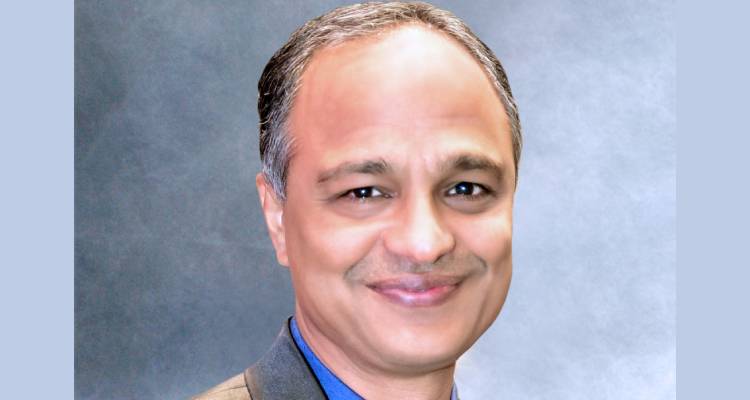

DFGC has been working on empowering children with developmental challenges through clinical services and inclusive advocacy. What have been the most impactful initiatives or models of care introduced recently, and how are they shaping outcomes for children and families?
Some of our most impactful work has come from strengthening systems rather than isolated programmes. The district-level demonstration models developed with UNICEF have shown how early identification, connected care, and trained frontline workers can transform outcomes at scale. Our shift towards family-centred, evidence-based frameworks is helping children show earlier progress while giving parents greater confidence and a stronger sense of empowerment.
From pioneering Kangaroo Mother Care wards to establishing a Human Milk Bank during your time, you’ve led several benchmark innovations. How are you bringing these innovations into your current role at DFGC, especially within the broader network of programmes?
Across all my earlier work, the philosophy has been consistent – simple, proven ideas implemented with discipline, compassion, and strong systems. At DFGC, we follow the same principles: early intervention, standardised pathways, documentation, and close partnership with families. We are also drawing on collaborations with national institutes and international experts to elevate the quality and consistency of developmental care across programmes.
What are the biggest gaps you see today in India’s developmental and disability care ecosystem, and what systemic changes are necessary to strengthen early intervention?
The biggest gaps remain in early identification, the shortage of trained professionals, and fragmented systems that separate health, education, and community services. Strengthening early intervention requires standardised protocols, district-level ecosystems, and embedding developmental surveillance into routine public health programmes.
With rising awareness around developmental delays and neurodiversity, how can healthcare institutions enhance capacity building among clinicians, therapists, and caregivers?
Institutions need to move beyond standalone workshops and invest in long-term mentoring, supervised practice, and collaborative learning. Equally important is equipping caregivers, as their engagement directly influences outcomes.
What innovative or collaborative care models can create a more inclusive environment for children with developmental challenges across India, especially in underserved regions?
Models that integrate government systems, academic institutions, national institutes, NGOs, and community workers offer the greatest promise. The district demonstration models developed with UNICEF, along with the emerging Centres of Excellence in the intervention states, provide a strong, replicable blueprint. These collaborations show how multidisciplinary capacity and community-linked care can ensure timely, high-quality developmental services even in underserved regions.
- Advertisement -
