

From awareness to action: How rural India can win against diabetes
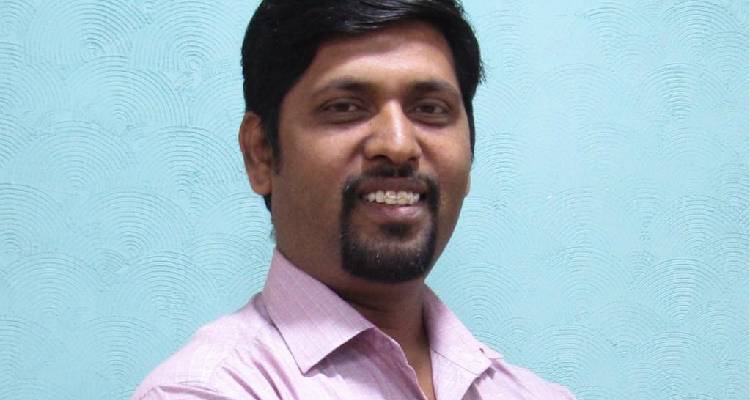
Dr Vinayak Sonawane, Associate Director–Health, Ambuja Foundation, highlights how the rising burden of diabetes in rural India demands a community-led response


A few years ago, the women of Mehma Sawai village in Punjab were struggling with their health. The Primary Health Centre was four kilometres away, transport was scarce, and conditions like diabetes, hypertension, and heart disease — combined with a traditional Punjabi calorie rich diet — were quietly taking a toll.
Today, however, Mehma Sawai tells a different story. Local community health volunteers have transformed the village’s health landscape. Through home visits, a new nutrition centre, the promotion of kitchen gardening, and the formation of a morning walking group, they have sparked layers of awareness — about lifestyle factors, preventive health, and the belief that small changes can lead to big outcomes. Their message is simple but powerful: prevention is better than cure.
Diabetes in India’s heartlands
Diabetes is one of the fastest growing health challenges in the world and India sits squarely at its epicentre. More than 100 million Indians live with diabetes today, many in their most productive years. Globally, nearly 430 million people with diabetes are of working age, facing silent yet significant challenges in both urban and rural workplaces — from stigma and exclusion to the lack of access to screening, care, and support for their well-being.
In rural India, where healthcare access and awareness remain limited, the problem is especially pressing. Once considered a disease of the cities, diabetes has now spread deep into the country’s heartlands. The reasons are complex but increasingly familiar: sedentary lifestyles, rising stress, and changing food habits — trends once confined to urban centres — are now common in villages too. Agricultural mechanisation has reduced physical labour, migration for work has disrupted traditional diets, and processed foods high in sugar and refined carbohydrates have become part of everyday life.
These shifts have led to a surge in Type 2 diabetes, even among younger adults. Yet, diagnosis and consistent care remain limited. Many farmers, factory workers, and informal labourers live for years with undetected diabetes. By the time symptoms surface, complications such as heart disease, kidney damage, and nerve problems have already taken hold.
Still, this crisis is not irreversible. Across India, community health workers and local systems are proving that informed, collective action can make a real difference. With awareness, screening, and lifestyle change, rural communities can begin to turn the tide against diabetes. But to scale these successes, sustained investment is crucial — from CSR bodies, government programs, and civil society alike. Empowering community health workers and local institutions to lead prevention campaigns, strengthen screening systems, and promote healthier lifestyles can transform awareness into action and make diabetes prevention a community movement rather than an individual struggle.
Turning the tide: Six ways rural India can win against diabetes
Education and awareness: Awareness is the first and most powerful defence against diabetes. Many in rural areas still see it as inevitable or untreatable. Regular community sessions, school programmes, and village health days can help people understand what causes diabetes and how it can be managed. When individuals recognise that prevention and early treatment are possible, fear gives way to action.
Promoting physical activity: Physical inactivity is one of the leading risk factors for diabetes. Mechanisation has replaced much of the manual effort once typical in farming life. Encouraging communitylevel activity — morning walks, open-air gyms, group exercise sessions, or yoga gatherings can help reintroduce movement into daily routines. When these activities become social, not solitary, habits begin to stick.
Encouraging nutritional change
Dietary change lies at the heart of prevention. Traditional diets rich in coarse grains, pulses, and vegetables are increasingly being replaced by refined and processed foods. Reviving diversity in local diets is therefore essential and kitchen gardening has emerged as a practical solution. When households grow their own vegetables and greens, they gain access to fresh, chemical free produce, diversify their meals, and reduce dependence on store-bought foods. Combined with awareness about portion control, the risks of high-fat, high-salt, and high-sugar diets, and the importance of lifestyle modification, kitchen gardening can be a game-changer for improving household nutrition.
Screening and early detection
Early detection can prevent lifelong complications. Training community health workers to conduct blood sugar tests during village health camps or via home visits helps identify high-risk individuals early particularly those over 30, overweight, or with a family history of diabetes. Regular follow-ups, counselling, and community tracking systems ensure that people continue managing their condition effectively.
Strengthening primary healthcare
Effective diabetes management depends on strong local health systems. Primary Health Centres and Sub-Centres — revamped as Ayushman Arogya Mandirs to focus on NCD care must be equipped to provide regular medicines, monitor patients, and integrate diabetes management with other essential services such as maternal health and immunisation. Consistent local healthcare delivery encourages early care-seeking and ensures continuity of treatment through a reliable supply of medicines.
Tackling tobacco and alcohol useTobacco and alcohol both amplify the risks of diabetes and its complications, yet they remain widely used in many communities. Local campaigns, school-based awareness, and the leadership of village elders can help shift perceptions. When communities begin linking these habits to poor health outcomes, behavioural change becomes easier and more sustained.
The power of local action
India’s rural healthcare system faces many constraints, but its strongest asset lies in its people. Villages have long demonstrated the power of collective effort — whether managing water, building infrastructure, or addressing social issues. The same spirit of collaboration can drive better health outcomes. Empowered health workers can bridge the gap between awareness and access. Regular screening camps, door-to-door counselling, school engagement, and home-based nutrition interventions like kitchen gardens can all reinforce one another. The key is persistence — small, steady actions that build healthier communities over time.
The women of Mehma Sawai stand as proof that such grassroots change works. Blood sugar levels in the community have dropped, and the focus on health has rippled through families and the entire community. A sense of shared responsibility — for diet, exercise, and preventive care — is taking root. With awareness, early action, and community-driven change, rural India can write a different story — one where health, livelihood, and potential are no longer limited by a preventable disease.
- Advertisement -
