

Large private hospitals can play an important role in strengthening preventive health and community awareness
Indian Spinal Injuries Centre (ISIC) recently announced the launch of its new identity: ISIC Multispeciality Hospital.Sugandh Ahulwalia,Board Member and Chief Strategy Officer, ISIC Multispecialty Hospital talks about this transition in an interview with Kalyani Sharma

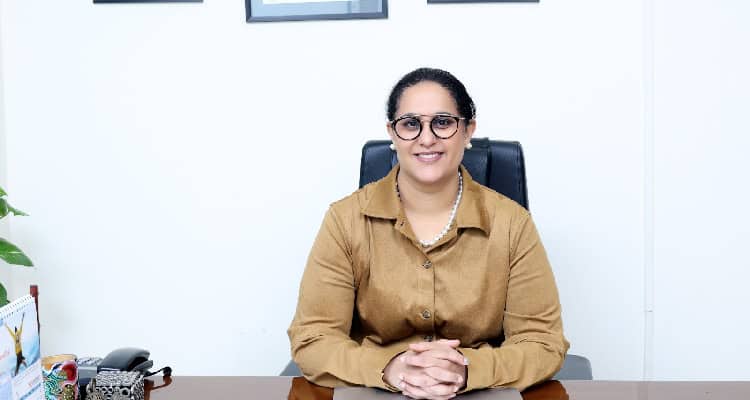

ISIC is transitioning from a specialised center to a multispeciality hospital. What is the core strategic vision driving this transformation?
The transition of ISIC into a multispeciality hospital is a natural extension of the founding vision laid down by Major H. P. S. Ahluwalia. His aspiration was to create a healthcare institution that provided comprehensive and dignified care under one roof and not remain limited to spinal injury management alone.
Over the last three decades, ISIC has grown into a leading centre for spinal injuries, orthopaedics, and neuromusculo-skeletal disorders. At the same time, India’s healthcare needs have evolved. The rise in lifestyle diseases, chronic illnesses, trauma cases, and the growing needs of an ageing population require a more integrated and multidisciplinary care model.
Our strategic vision is therefore to provide a full spectrum of speciality services while preserving the heart of ISIC, which has always been compassion, rehabilitation excellence, and patient centricity. The hospital is expanding into Cardiac Sciences, Renal Sciences, Neurosciences, Gastro Sciences, and subsequently Oncology. Throughout this transition, the institution continues to remain anchored in its EVEREST values which represent Excellence, Vision, Empathy, Resilience, Ethics, Service, and Teamwork. These values ensure that the organisation grows without losing the ethos on which it was built.
How is ISIC leveraging technologies like AI to create a more inclusive and patient centric system, and what defines a future-ready hospital in your view?
At ISIC, technology is viewed as a way to improve access, convenience, transparency, and inclusivity in healthcare. The hospital has adopted an integrated digital ecosystem that includes a Hospital Information System, WhatsApp based patient communication, mobile applications for accessing reports and appointments, and digitised billing and admission processes.
Artificial Intelligence is further being explored for deployment to support clinical decisions, analyse operational patterns, enhance patient flow, and strengthen rehabilitation through digital tools. These innovations would help create an environment where patients receive information easily, where elderly individuals and people with disabilities can navigate the system with reduced dependency, and where caregivers can focus more on personalised attention.
A future-ready hospital is one that uses technology to make healthcare easier rather than more complicated. It is defined by transparent communication, connected care pathways, predictable and reliable systems, accessible infrastructure, and an approach where precision medicine and empathy coexist. For us, the most vulnerable patients must experience the greatest ease of care, and this principle guides our digital strategy
How do you see the role of strategic healthcare leadership evolving in the next five years?
The role of healthcare leadership will transform significantly over the coming years. Leaders will need to combine financial responsibility, strong ethical governance, clinical sensitivity, digital literacy, and emotional intelligence. At ISIC, this balanced philosophy is reflected in two important organisational initiatives –
The first is the Everest Base Camp programme. Every year, selected employees undertake a two week expedition to the base of Mount Everest. This journey, inspired by Major Ahluwalia’s own experience, strengthens discipline, perseverance, teamwork, and emotional courage. These qualities form the foundation of leadership in a complex healthcare environment.
The second initiative is Anantam, the institution’s structured employee wellbeing and emotional resilience programme. Anantam is based on the understanding that it is difficult to pour from an empty cup. Caregivers who are mentally centred and emotionally supported are better equipped to deliver compassionate and attentive care. The programme emphasises mindfulness, work life balance, reflective practice, and emotional well-being.
In the next five years, successful healthcare leaders will be those who can protect clinical quality while ensuring financial sustainability, support the autonomy of clinicians, guide digital transformation with sensitivity, and build emotionally resilient teams that remain committed to the organisation’s purpose.
How can large private hospitals play a stronger role in regional community health and preventive care?
Large private hospitals can play an important role in strengthening preventive health and community awareness. Beyond delivering tertiary care, they have the capacity to influence behavioural change, improve early detection, and support accessibility for vulnerable populations.
ISIC’s community initiatives illustrate this approach. The hospital runs preventive screening programmes, health education sessions in schools and colleges, first responder training in CPR and AED use, and awareness programmes on spinal and orthopaedic safety. It also supports accessibility by installing ramps, grab bars, and mobility aids in old age homes and community facilities. Ergonomic and workplace health programmes help reduce preventable injuries and chronic conditions.
By working closely with public institutions, civil society organisations, and local communities, private hospitals can help build a more inclusive ecosystem. Strengthening prevention, early detection, accessibility, and public awareness can significantly reduce the national healthcare burden and improve long term health outcomes.
With your background, how crucial is the integration of expertise from non-clinical fields in improving patient experience and operations?
The integration of disciplines such as hospitality, behavioural sciences, technology, and operations management is essential to the functioning of a modern hospital. Patient experience today is influenced not only by clinical outcomes but also by the environment, communication, service quality, and the emotional intelligence of the care teams.
At ISIC, these non-clinical disciplines are incorporated through empathetic communication training, digital patient navigation tools, experience oriented campus design, and process excellence frameworks that improve flow and reduce delays. Anantam, our employee wellness programme, plays an important role in sustaining compassionate care. It reminds us that caregivers need emotional balance and psychological well-being to offer meaningful support to patients. As we often say within ISIC, it is difficult to pour from an empty cup.
The future of patient experience lies in creating an environment where clinical excellence is complemented by comfort, dignity, clarity, warmth, and emotional support. ISIC remains deeply committed to this combined approach.
- Advertisement -
