

India is currently in the second act of its startup journey
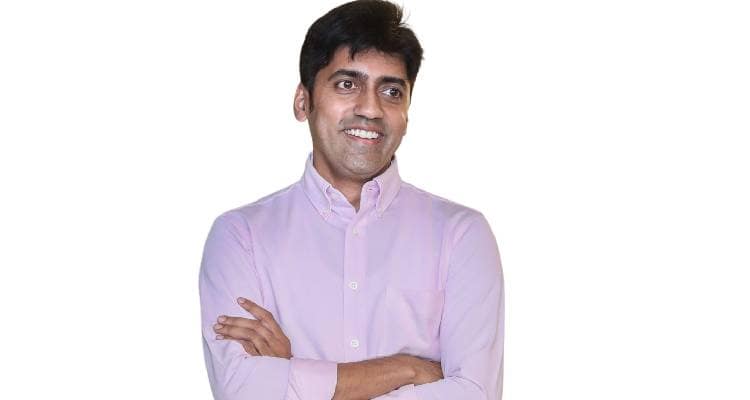
Aditya Vuchi, General Partner, VCMint shares how VCMint approaches healthcare and pharma investments and the themes shaping its bets—from preventive care to wellness and gig workforce health. He also highlights why patient capital, strong founding teams and regulatory stability are central to building scalable, long-term healthcare businesses in India, in an interaction with Kalyani Sharma


How does VCMint approach healthcare and pharma investments within its broader portfolio, and how have your preferred stages and risk–return expectations evolved in the current funding cycle?
VCMint is fundamentally an early-stage fund. When you invest early, you are essentially taking two macro bets—one on the long-term growth of a particular industry or subvertical, and the other on the founding team’s ability to execute over a long gestation cycle. Healthcare typically has longer timelines, so we don’t enter these investments with short-term return expectations. Instead, we invest with the belief that the sector will continue to grow over the next 10–15 years.
In terms of stage, we focus on seed-stage investing rather than pre-seed. Once the idea has been validated and there is a minimum viable product in place, that’s when we typically step in. Our cheque sizes range between Rs 1–2 crore per startup. Two factors weigh heavily in our evaluation process—a large total addressable market and a strong founding team.
Another differentiator for us is that we invest private capital. We don’t raise capital from external LPs, which allows us to stay invested for much longer periods without the pressure of a traditional fund lifecycle. This alignment appeals to founders who are building for the long term and don’t want to be forced into premature exits.
is that we invest private capital. We don’t raise capital from external LPs, which allows us to stay invested for much longer periods without the pressure of a traditional fund lifecycle. This alignment appeals to founders who are building for the long term and don’t want to be forced into premature exits.
Could you highlight some of VCMint’s healthcare and wellness investments and the themes guiding these bets?
We take a fairly broad view of healthcare and wellness. One of our more mature investments is DoctorC, which focuses on athome diagnostics and preventive care for middle and lower-middle-income populations. The company operates across 37 cities and has scaled rapidly, with net revenues exceeding Rs 100 crore. What stands out is its focus on affordability, accessibility and preventive healthcare.
Another investment is Nourish You, which operates in the nutrition and superfoods space, offering products such as protein powders and chia seeds. There is a growing awareness among consumers about clean, natural nutrition, and Nourish You is tapping into that shift.
We have also invested in Vedic Lab, a scientific Ayurveda brand focused on skin and hair care, with a strong emphasis on global markets. While it is still earlystage, the traction has been encouraging.
Collectively, these investments reflect two clear themes—preventive healthcare and making wellness solutions more accessible to a wider population.
Despite broader funding moderation, healthcare has continued to attract investor interest in India over the last two years. How do you see capital deployment evolving across stages?
India’s demographic profile plays a big role here. As a young country, our healthcare priorities differ significantly from those of ageing economies in the West. Preventive healthcare, lifestyle management and access to basic health infrastructure will continue to attract capital.
One major trend we’re closely tracking is the rise of the gig workforce. The number of gig workers in India is expected to grow from about 12.7 million today to over 23.5 million in the next four to five years. This demographic works long hours and operates outside traditional employment frameworks, which creates new healthcare and social infrastructure needs.
Startups addressing healthcare access, insurance and wellness for gig workers will see growing investor interest.
Another important trend is mental health and digital wellbeing, especially among younger populations and senior citizens. With increasing digital consumption, AI proliferation and cyber risks, there is a strong need for mental health support and digital literacy. Solutions that combine education, mental health support and technology will have long-term relevance.
Can India’s startup ecosystem learn from global markets, or is the learning now flowing in the other direction?
India is currently in what I would call the second act of its startup journey. The first phase was largely about adapting Western business models to Indian conditions. Today, we’re seeing far more original, India specific innovation and in some cases, the West is learning from us.
Quick commerce is a good example. Ten-minute delivery models seemed unrealistic a few years ago, but India’s unique retail and logistics ecosystem made it possible. We’re also seeing experimentation with drone delivery and other advanced logistics technologies, supported by evolving regulations.
From a healthcare perspective, India has managed to avoid some of the pitfalls seen in Western systems. Access to affordable medicines and doctors remains far better here. In many Western countries, high drug prices and long wait times have become systemic issues. India’s scale has also ensured that doctors gain extensive real-world clinical exposure, which strengthens healthcare delivery overall.
What must healthcare and healthtech startups demonstrate today to attract venture capital, given challenges like capital intensity and regulatory complexity?
India may still lag in healthcare R&D, but where we excel is in healthcare delivery at scale. Startups that can efficiently take proven treatments, diagnostics or preventive solutions to large populations will always be attractive.
Preventive care remains critical, solutions that help people maintain healthier lifestyles reduce long-term healthcare costs significantly. However, regulatory clarity and ease of doing business are equally important. Retrospective policies or sudden regulatory shifts can erode investor confidence, not just in healthcare but across sectors.
While global developments such as tariffs and geopolitical pressures create short-term uncertainty, India needs to maintain a long-term view and avoid overreacting to immediate disruptions.
Medtech founders often cite regulatory hurdles. How do these challenges influence your investment outlook?
Medtech certainly faces more friction, particularly around imports, certifications and regulatory approvals. Hardware-based innovations such as bionic limbs or cardiac devices that often depend on global supply chains, and regulatory complexity can slow progress.
That said, solving these challenges requires systemic policy interventions rather than piecemeal exceptions. While the friction exists, we still see strong long-term potential in MedTech, provided regulatory processes become more predictable and streamlined.
How important are policy support and regulatory certainty in sustaining long-term capital flows into healthcare?
Policy stability is crucial. Retrospective taxation or regulatory changes seen previously in sectors like telecom can significantly damage investor confidence. Long-term capital, especially foreign investment, depends on trust in the regulatory environment. While there are no healthcare-specific policy concerns that stand out at the moment, consistency and forward-looking regulation are essential to sustain capital inflows.
What structural shifts are reshaping investor priorities in healthcare today, and where should founders focus to remain relevant?
Unit economics have regained importance. While some categories require upfront investment and scale—quick commerce being an example that most healthcare businesses need sound fundamentals. Investors are increasingly looking for a clear path to profitability, even if the company is not profitable at the outset.
This shift has also brought family offices back into early stage investing. Founders now actively seek patient capital and operational wisdom, not just aggressive growth funding.
At the same time, public markets have become more accommodating, allowing companies to list even if they are not yet profitable. This has created a healthier middle ground where startups focus on growth, but with discipline, and investors remain aligned on long-term value creation.
[email protected]
[email protected]
- Advertisement -
