

Beyond survival: Why neurorehab technologies are becoming a strategic priority for hospitals?
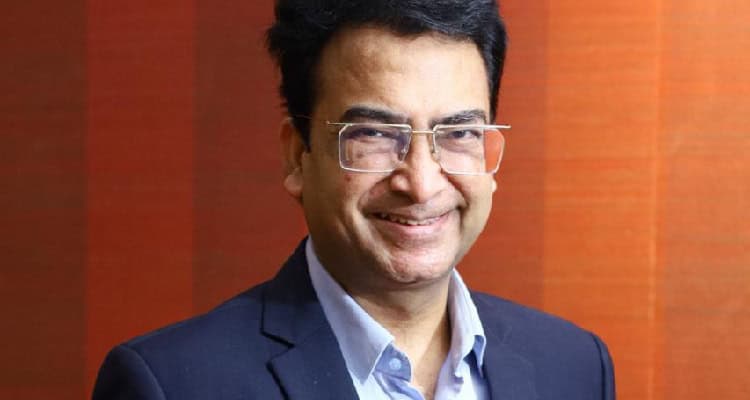
Dr Praveen Gupta, Chairman, Marengo Asia International Institute of Neuro and Spine (MAIINS), Marengo Asia Hospitals, Gurugram, explains why technology-enabled neurorehabilitation is becoming a strategic priority for hospitals as stroke and neurological disorders continue to rise


For decades, the primary goal in treating a stroke or a serious neurological injury was simple: keep the patient alive. Today, it is not about — “did the patient survive?” but “how much of their life can we help them get back?” That shift, from survival to genuine recovery, is quietly transforming neuroscience, and India is standing at the centre of it.
The scale of the problem is hard to ignore. More than 1.25 million Indians suffer a fresh stroke every year, and roughly one in ten strokes worldwide now occurs in this country. For a health system already stretched thin, that is not just a statistic — it is a call to rethink how we rehabilitate patients once the acute crisis has passed.
Conventional physiotherapy, occupational therapy, and speech therapy remain the backbone of recovery, and they always will be. But we now have tools that can meaningfully sharpen what that recovery looks like. One of these is Repetitive Transcranial Magnetic Stimulation, or rTMS — a non-invasive therapy that uses magnetic fields to stimulate the very brain circuits responsible for movement, speech, and mood. It works by encouraging neuroplasticity, the brain’s own remarkable ability to rewire itself after injury.
rTMS does not replace rehabilitation, but strengthens it. As neurology is entering into the era of precision neuroscience, with advancements in technology adding value to patient outcomes through medication and rehabilitation, rTMS is one such step. Through neuroplasticity and modulation of the targeted neural circuits, it is a scientifically proven adjunct therapy to be used on selected patients who have undergone stroke rehabilitation, specifically related to motor and speech impairment. The application of rTMS is also well recognised in treating psychological and mental health issues such as depression, OCD etc. that are resistant to medication.
The applications extend further than stroke alone. In carefully selected patients, rTMS has shown value in chronic neuropathic pain and Parkinson’s disease, and in psychiatry it is increasingly used for treatment-resistant depression, obsessive-compulsive disorder, and certain symptoms of schizophrenia.
rTMS is always given after careful clinical assessment and does not substitute medical treatment, rehabilitation, and psychological interventions. Since it requires no anaesthesia or hospital admission, patients can generally resume normal activities soon after a session. However, it needs to be understood that rTMS is not a standalone treatment and should only be offered following careful evaluation as part of an overall rehabilitation plan tailored to an individual’s condition.
rTMS is only one piece of a much bigger picture. Artificial intelligence is beginning to support clinical decision-making, helping us personalise rehabilitation plans and track a patient’s recovery trajectory with a precision that was simply not possible a decade ago. Robotics, too, is finding its place, enabling the kind of intensive, repetitive, measurable therapy that human hands alone cannot sustain hour after hour, while clinicians continue to provide the judgement, adaptability, and human connection that no machine can replicate.
None of these technologies work in isolation, and none of them work well without each other. The best outcomes result from integrated care — neurologists, rehabilitation specialists, therapists, and technology teams operating as one unit around the patient, rather than in silos. And ultimately, success should not be measured only by scores on a clinical scale, but by whether a patient can return to their family, their work, and their independence.
India has a genuine opportunity here — not to import rehabilitation models wholesale, but to build integrated, technology-enabled neuroscience centres suited to our own scale and needs. The future of neurorehabilitation is not AI or robotics replacing clinicians. It is technology empowering us to help our patients recover better, faster, and more independently than ever before.
- Advertisement -
