

World Physiotherapy Day 2026: Why movement matters in preventing, managing and recovering from cardiovascular disease and stroke
Cardiovascular disease and stroke can significantly affect an individual’s mobility, strength, endurance and ability to carry out everyday activities

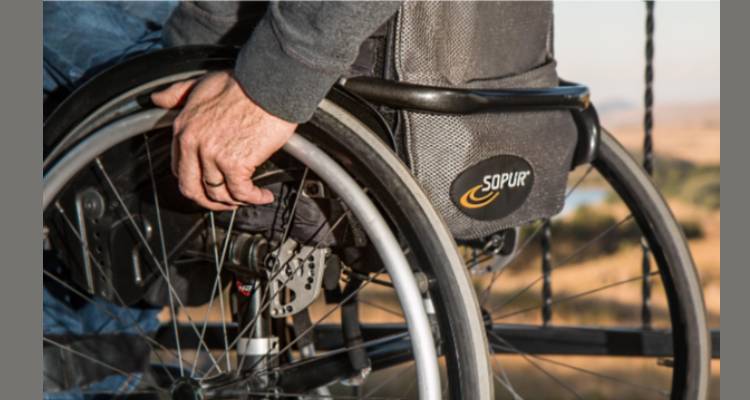

As the world observes World Physiotherapy Day 2026, this year’s theme highlights the critical role of physiotherapy and physical activity in the prevention, management and rehabilitation of cardiovascular disease (CVD) and stroke. The occasion also brings renewed focus on the importance of appropriate physical activity and structured rehabilitation in helping individuals manage health risks, recover functional abilities and improve their quality of life.
Dr Shashwat Dawar (PT), DCPOT, MIAP, Physiotherapist, said, “Movement is one of the most powerful forms of healing. Physiotherapy is not merely about managing pain; it is about restoring movement, independence and confidence.”
Cardiovascular disease and stroke can significantly affect an individual’s mobility, strength, endurance and ability to carry out everyday activities. Physiotherapy and appropriately guided physical activity can form an important part of the rehabilitation journey, helping patients progressively regain functional abilities and confidence in movement.
However, physical recovery is only one aspect of rehabilitation. Patients may also experience fear, uncertainty and a lack of confidence following a diagnosis or a major health event. Building trust between the patient and physiotherapist can therefore play an important role in encouraging patients to participate actively in their recovery.
“For many patients, it is not only the physical limitation but also the fear of a diagnosis that can prevent them from taking the first step towards rehabilitation. Building trust helps patients regain confidence in their ability to move,” Dr Dawar added.
Recovery through physiotherapy is often gradual and requires patience, consistency and adherence to appropriately guided exercises and movement programmes. In cardiovascular and stroke rehabilitation, individualised programmes can help patients work towards improving mobility, strength, endurance and functional independence under professional supervision.
“Recovery can be slow, but when patients consistently follow guided movements and begin to see improvements in their daily lives, it is incredibly rewarding. Patience, reassurance and resilience are key to the process,” Dr Dawar said.
Beyond rehabilitation, physical activity also has an important role to play in maintaining cardiovascular health and reducing the risk of lifestyle-related health conditions. Encouraging individuals to remain physically active, understand their own limitations and seek professional guidance when required can help create a more proactive approach towards disease prevention and long-term health.
On World Physiotherapy Day, Dr Dawar emphasises that movement should be viewed as an integral part of a healthy lifestyle, rather than something considered only after illness or injury.
“Let us encourage people to stay active, listen to their bodies and seek the right guidance when movement becomes difficult. The goal is to help people move with confidence, live with greater independence and embrace movement as an important part of long-term health,” he concluded.
- Advertisement -