

Meningitis in India: Closing the gap between first symptom and first dose
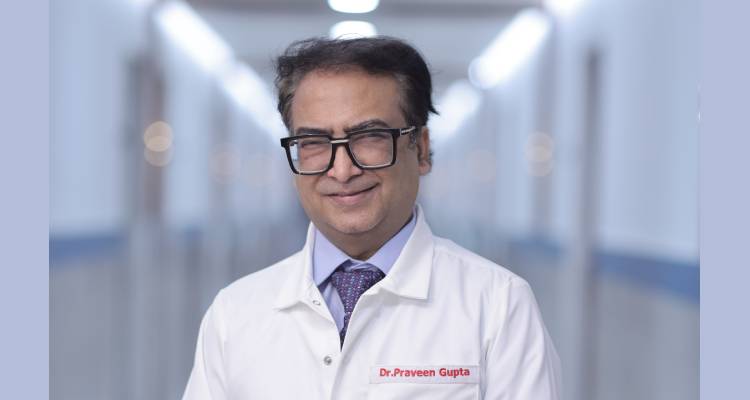
Dr Praveen Gupta, Chairman, Marengo Asia International Institute of Neuro and Spine (MAIINS), Marengo Asia Hospitals, discusses the need for early diagnosis, timely treatment, better referral systems and wider vaccine access to reduce meningitis-related deaths and long-term complications in India


In neurology, few conditions test a health system as sharply as acute bacterial meningitis. The window between the first symptom and irreversible damage is measured in hours, and in India that window is often lost before the patient reaches a hospital.
Meningitis is inflammation of the membranes covering the brain and spinal cord. Some estimates put India’s incidence at 60 to 80 cases per 100,000 population annually, with deaths running into the tens of thousands. These figures combine bacterial, tuberculous and viral causes and vary by source, so they indicate scale rather than a precise count. Children under five remain the most vulnerable group.
Symptoms include sudden high fever, severe headache, neck stiffness, vomiting, photophobia and altered sensorium. In infants the picture is subtler: irritability, poor feeding, a high-pitched cry, lethargy or a bulging fontanelle, often without neck stiffness. A non-blanching purpuric rash in a febrile patient signals possible meningococcal sepsis and demands immediate action, but its absence does not rule out disease.
The challenge is that early meningitis looks like many benign febrile illnesses. Low awareness among families, and at times among frontline providers, means precious hours go to watchful waiting, home remedies or repeated visits to primary care.
Every hour of delay in treatment worsens the prognosis. Suspected cases should be moved at once to a facility with emergency, imaging, laboratory and ICU capability. Empirical antibiotics should not wait for confirmation, and appropriate samples, including blood cultures and cerebrospinal fluid where safe, should be taken in parallel. For hospitals, this argues for clear triage protocols, rapid access to lumbar puncture and neuroimaging, and defined escalation pathways for referring centres.
Survival is only part of the story. Complications include hearing loss, seizures, hydrocephalus, stroke, motor deficits, and cognitive and learning difficulties, particularly in children. Many survivors need audiological assessment, neurorehabilitation, developmental support and long-term follow-up. These needs are seldom budgeted for, yet they define quality of life for the child and the family for years.
Many causes of bacterial meningitis are preventable. Hib and pneumococcal vaccines, now part of India’s Universal Immunisation Programme, protect against two major pathogens. The meningococcal vaccine is not part of the UIP and is available through private paediatricians and travel clinics. It is optional but strongly worth discussing, especially for infants at risk, adolescents moving into hostels or colleges, and pilgrims travelling for Hajj or Umrah, where it is required.
Because meningococcal disease is less frequently reported in India than in some regions, it is easy to treat it as someone else’s problem. Rare is not the same as inconsequential: the disease is fast, the consequences are severe, and the tools to prevent it exist.
However, progress will depend on action at several levels. Primary care and emergency teams need regular training in early recognition so that a febrile child with a stiff neck or an unusually drowsy adult is never sent home with reassurance alone. Hospitals should build and audit time-bound meningitis protocols, measuring how long it takes from arrival to antibiotics and from arrival to lumbar puncture.
Surveillance and data quality must improve so that burden estimates become more reliable and policy decisions rest on firmer ground. Vaccine counselling should become a routine part of paediatric and adolescent visits, rather than something families discover on their own. And post-meningitis rehabilitation and hearing services deserve investment, because the cost of neglecting survivors is paid for decades.
Families who recognise the warning signs and reach care quickly often have the best outcomes. Our task as clinicians, institutions, and policymakers is to make that recognition widespread and the response seamless.
- Advertisement -
