

The future of healthcare must also care for its caregivers
Dr Priyanka Lakhani, AVP, CitiusTech, draws on her experience in medicine and healthcare technology to explain why clinician well-being must be a healthcare system priority, and how technology and AI can reduce administrative burden and support more sustainable care delivery

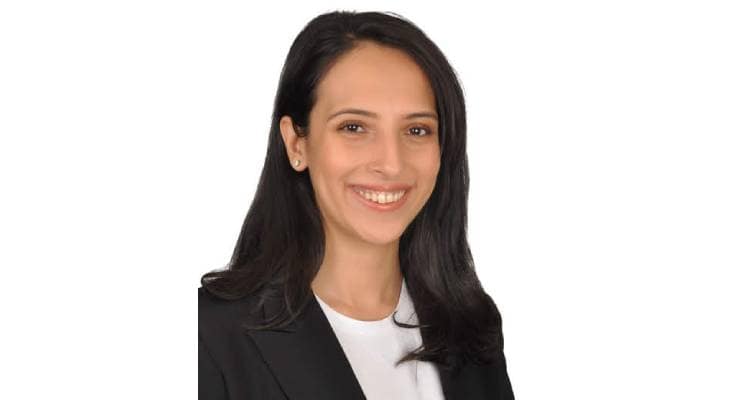

I am a doctor and know healthcare from the inside. I understand the responsibility of looking after someone else’s health, the emotional and mental strain it puts on you. Now working at the intersection of healthcare and technology, I see the same system differently. One thing that I’ve learned on this journey is that if we want to address clinician burnout; we need to stop thinking about it as an individual’s failure to cope and start thinking about the design of our healthcare system.
If I could advocate for one meaningful change, it would be a shift in culture that is from celebrating physician endurance to actively protecting clinician well-being. For too long, healthcare has expected professionals to work relentlessly under pressure, adapt to growing demands and continue delivering care regardless of the circumstances. Resilience will always matter, but it should never compensate for an unsustainable system.
The clinician today has a role far beyond patient care. Beyond diagnosis and treatment, clinicians are responsible for documentation, regulatory requirements, administrative processes, coordination across multiple teams and increasingly complex information. Each of these tasks in isolation may seem trivial, but collectively they can rob valuable time and mental energy that could be better spent with patients.
This is where one should believe that healthcare needs to change the way it is done. We need to start measuring clinician well-being as a system performance metric at the same level we measure patient outcomes, quality and operational efficiency. Healthcare organisations need to ask not only if a system improves patient care, but also if it helps clinicians to deliver that care effectively and without unnecessary burden.
Technology, especially artificial intelligence, can play a big role in this transition. But the aim should not be to bring in technology simply because it is new or innovative. The real opportunity is to embed intelligence into existing clinical workflows in ways that make every day work easier.
AI can support decision-making, provide relevant clinical insights at the right moments, structure and summarise information and relieve repetitive administrative tasks. If well designed, these technologies can reduce the cognitive load on clinicians and free up time to spend on what requires human judgement, empathy and expertise.
My own experience of transitioning from medicine to healthcare technology strengthens this belief. Technology should be integrated into the clinical environment. It must be built with a real understanding of how healthcare professionals work. The best solutions are those that integrate seamlessly into workflows, rather than asking clinicians to adapt to another layer of technology.
This is not a challenge unique to India. Healthcare systems across the world are grappling with workforce shortages, rising workloads and clinician fatigue. Increasingly, organisations recognise that digital health and AI must improve both efficiency and the clinician experience if care models are to remain sustainable.
“Who heals the healers?” is ultimately a question that has no solution that rests solely on individual resilience. We need systems that take care of those who take care of others.
Therefore, the future of healthcare should be one that supports clinicians in the delivery of care. If we can harness technology and AI in a way that could cut down on avoidable work, increase access to information, and support better decisions, we can create an environment where doctors and other healthcare professionals can dedicate themselves more fully to their most important role: caring for patients.
Protecting clinician well-being isn’t simply about making healthcare professionals feel better. This is about building a better, safer and more sustainable healthcare system for all.
- Advertisement -
