

Building a connected model of healthcare delivery
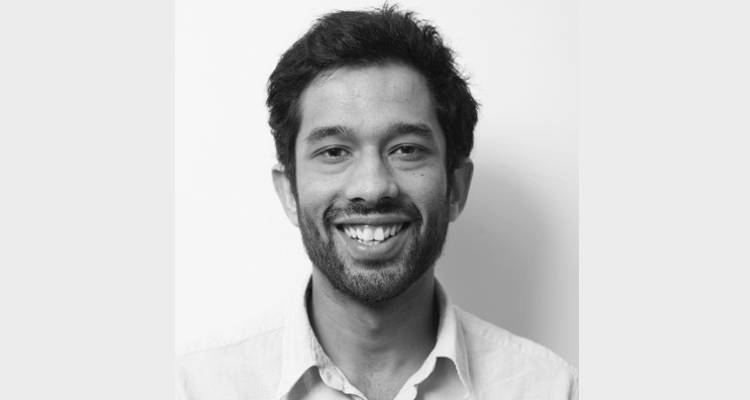
Mayank Banerjee, Co-founder, Even Healthcare, in an interview with Kalyani Sharma, discusses the integration of preventive, outpatient and inpatient care, the challenges of delivering quality healthcare at affordable costs, and the need to align incentives across providers, insurers and patients


Even opened its first hospital in Bangalore in May 2025, after starting with clinics and memberships. What did running clinics teach you about running a hospital, and how has the hospital changed the way Even serves its members?
We have always started with the patient experience, and we were pleasantly surprised by how strongly a great outpatient experience translated into members trusting us with their inpatient needs. Running clinics reinforced our belief that continuity, convenience and trust are fundamental to healthcare. In many ways, our approach has not changed with the hospital. What has changed is our ability to support members across the entire care journey, from preventive consultations and diagnostics to hospitalisation and recovery, within one integrated system.
Even brings doctor consultations, diagnostics and cashless hospitalisation together under one membership. How does this integrated model work for a member in practice, and what has been the toughest operational challenge in making it work?
Even operates as a cohesive system rather than a series of disconnected healthcare episodes. Members should feel that every doctor, care team and hospital they interact with already understands their medical history and is focused on their overall journey. This continuity enables better-coordinated care and more informed decisions. The biggest operational challenge is making technology and execution work seamlessly together. Building the infrastructure, processes and coordination needed to connect every touchpoint is critical to delivering a genuinely integrated experience rather than simply bringing different services under one membership.
Preventive care is widely discussed in Indian healthcare, yet most people engage with the system only after they fall sick. What will it take to change that behaviour at scale?
Preventive care needs to be both frictionless and proactive. People are unlikely to prioritise prevention if it involves additional costs, inconvenient access or navigating a fragmented healthcare system. Consultations and screenings need to be available at no additional cost and within easy geographical reach. Equally importantly, healthcare providers must take the initiative to reach out to members who need attention rather than waiting for them to seek help. Making preventive care accessible, timely and part of everyday healthcare interactions is essential to shifting the focus from treating illness to maintaining health.
Affordability and quality are often seen as a trade-off in healthcare. Can providers in India deliver both, and what needs to change in the system for that to happen?
Yes, affordability and quality can go hand in hand, but the incentives across the healthcare system need to change. Doctors should be incentivised based on patient outcomes rather than the revenue they generate, while hospitals should be able to build sustainable businesses by preventing unnecessary procedures and admissions. Today, the system often rewards the volume of care delivered rather than its effectiveness. At Even, our model is designed to align incentives around patient outcomes, helping us deliver better care while reducing avoidable costs. The objective should be to make the right care more accessible, not simply to deliver more care.
Providers, insurers and patients often work with different priorities. Which reforms in insurance and payment models would make cashless, hassle-free care a reality for more Indian families?
Mandatory health insurance could help expand the risk pool, reduce costs for insurers and enable better products for consumers. However, payment models also need fundamental reform. Hospital reimbursements should be linked to patient outcomes and the appropriateness of care rather than arbitrary billing or the volume of procedures performed. This would encourage providers to focus on effective treatment, avoid unnecessary interventions and improve the overall patient experience. Aligning the incentives of insurers, hospitals and patients is essential to making cashless healthcare genuinely hassle-free and financially sustainable for more Indian families.
Which technologies do you expect to make the biggest difference to healthcare delivery in India over the next five years, and what is holding back wider adoption?
AI will undoubtedly play a significant role in healthcare, but the immediate priority must be digitisation, followed by interoperability. Meaningful AI adoption depends on reliable, accessible and structured health data. Patients should be able to share their medical records seamlessly with any doctor or hospital they choose. The government’s Ayushman Bharat Health Account (ABHA) initiative is an important step towards enabling this. Linking adoption to appropriate economic incentives could encourage hospitals to digitise their operations and upgrade legacy systems. Without this foundational infrastructure, the full potential of AI and other emerging technologies will remain difficult to realise.
- Advertisement -
