

Cashless everywhere: Transforming medical crises into care, not chaos
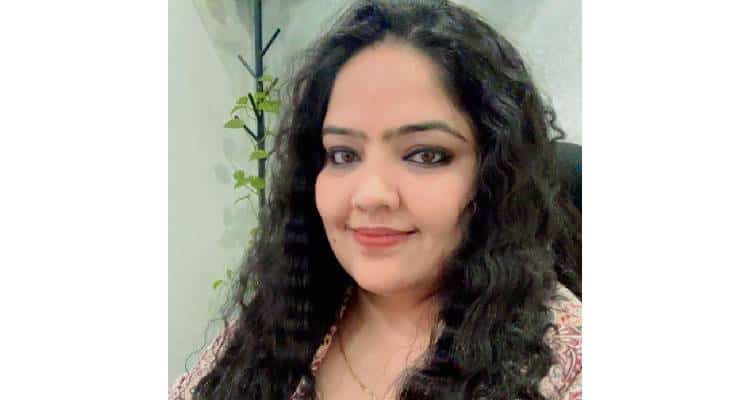
Sarita Joshi, Head - Health and Life Insurance, Probus explains how India’s new Cashless Everywhere initiative is transforming health insurance by enabling treatment at any hospital without upfront payments, while highlighting its benefits, limitations, and the challenges to making it work seamlessly across the country


For years, a medical emergency in India often came with two battles: the fight for timely treatment and the scramble to arrange money. Families would rush loved ones to hospitals only to discover that cashless treatment was possible only at select “network” facilities. Others demanded hefty deposits before a single test was conducted, forcing relatives to borrow, swipe cards, or dip into savings at the worst possible moment.
That script is beginning to change. With the launch of Cashless Everywhere, patients can now walk into any hospital and expect their insurance to work without upfront payments. Backed by new regulatory standards that demand faster approvals and smoother settlement between insurers and hospitals, the model is quietly transforming the hospital experience, reducing financial anxiety, widening choice, and placing the focus back where it belongs on treatment, not transactions.
Cashless everywhere: Challenges on the ground
While Cashless Everywhere is a transformational concept, it still has some challenges, mainly in rural and less populated areas. The biggest barrier remains to be infrastructural barriers. Many hospitals in the tier two and three cities, either do not have digital claim platforms or trained insurance desks. In such cases they resort to manual paperwork which increases the approval time from a few minutes to several hours. Tariff challenges still exist between hospitals and insurers. Many providers said they can’t survive on the package rates approved by insurers and the time it takes to approve or refuse cashless claims, along with their operating margins, might take days.
Furthermore, in smaller towns the awareness gap remains an issue. Families may not even ask for cashless admission and hospital staff would likely be less active in offering. Ultimately, emergencies like accidental injury, often compel families to take relatives to the nearest hospital which could be blacklisted or completely unavailable. There are situations where cashless is denied or partial reimbursement is only possible later. These frictions illustrate why improved infrastructure, insurer-hospital co-ordination, and awareness is necessary for Cashless Everywhere to work.
Breaking free from the “network” trap
In the past, policyholders could only use the cashless model if they visited hospitals which had tie-ups with the insurance company. If not, the policyholder would have to pay up front and wait weeks to get their money back. This network restriction limited options, created anxiety, and increased danger in a dire circumstance.
But the big announcement came in January 2024, when General Insurance Council announced the initiative called “Cashless Everywhere’ after having consultation with the general and the health insurers. The premise was simple, as long as the policy supports the treatment, go cashless at any hospital in India, whether it was on insurers’ networks, or not. For pre-planned treatments, insurers must be notified 48 hours before admission. In emergencies, families have 48 hours after admission to notify.
Later even the regulator nudged insurers to give 100 per cent cashless option to the policyholders. This improvement might sound technical, but for millions of policyholders across the country, it means a huge shift of power. Families no longer forsake choice, nor are they scrambling for liquid cash, but are now making a choice based on the hospital they trust most.
Why it matters for Indian households
For families in India, the significance of Cashless Everywhere is paramount. Medical emergencies in India often juxtapose financial stress, where scrambling for a few lakhs at short notice may derange household budgets or plunge families into borrowing. Paying, for example, Rs 5–7 lakh for a heart procedure in advance to a hospital can eliminate years of savings. The new model makes treatment not dependent upon immediate liquidity. If the insurance company pays directly to hospitals, this addresses one of the largest stressors families deal with during a critical time.
However, it must be noted that Cashless Everywhere is not a blank cheque. Policy terms are still very much in effect, room-rent limits, co-pays, exclusions, and waiting periods still apply. For example, if in a policy the family is taking a semi-private room, the family cannot choose to take a deluxe suite or be liable for any insufficient amount, which becomes their obligation. Timely notice to the insurance company is necessary. Awareness is paramount. The family must know that Cashless Everywhere only works if the insurance company is notified timely.
Another key warning is the emergency admissions. In real life, those patients with road traffic injuries or acute medical emergencies are taken to the nearest available hospital for the urgent treatment. The hospital might have been blacklisted by the insurer, which means the cashless facility is no longer available. There is a chance the policyholder will be reimbursed, but that percentage will depend on the insurance company. It is necessary that families are aware and know this nuance so there are no unrealistic expectations.
The road ahead
Cashless Everywhere is not a magic bullet. Hospitals and insurers will no doubt continue to argue about tariffs; delays in approvals will not go away overnight; awareness gaps will still trip up some families who may not understand their obligation not to simply turn up without prior intimation, or the limits of their policies. Nevertheless, the overall direction of reform is in the right direction. The history of health insurance in India for decades has been all about reimbursements, exclusions, and frustrations, but the story has started to change – towards immediacy, trust, and relief.
Cashless Everywhere incorporates another safeguard, which is for families who have one member who takes care of all the money, insurance information, and savings. If the individual was suddenly unavailable, the family would be confused in an emergency situation. Here the cashless facility is hugely beneficial, as it will again remove the immediate need to find money or go through payment arrangements under duress.
***
- Advertisement -
