

CoQ10 could be the key to reversing age-related egg decline
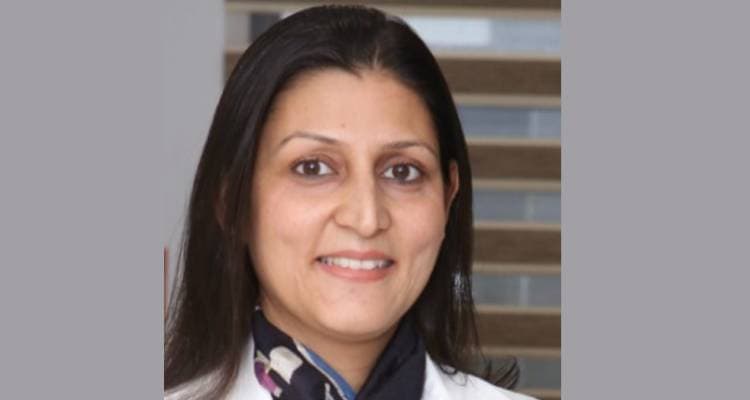
Dr Sheetal Jindal, Senior Consultant and Medical Director, and Director of the Medical Genetics Program at Jindal IVF, Chandigarh highlights why Coenzyme Q10 (CoQ10) is gaining attention as a promising adjunct in improving ovarian function, supporting oocyte health, and enhancing outcomes in assisted reproductive technologies


Age related decline in female fertility remains one of the most urgent challenges facing reproductive medicine today. The decline affects both the number and the quality of oocytes, which reduces chances of conception and raises the risk of miscarriage. At birth the ovaries contain between one and two million oocytes. That reserve falls to about 65,000 by the age of 25, to 16,000 by 35, and to roughly 1,000 around the time of menopause near age 50. With advancing age oocytes become increasingly susceptible to chromosomal abnormalities, which drives higher rates of implantation failure and pregnancy loss. Even when diet, lifestyle and advanced fertility treatments are optimal, very few women achieve a live birth with their own eggs after age 45.
In recent years Coenzyme Q10, commonly known as CoQ10, has emerged as a promising intervention for this problem. Its capacity to boost mitochondrial function and to protect cells from oxidative stress brings new potential for improving outcomes in older women and in those with low ovarian reserve.
Understanding ovarian aging
Ovarian aging is largely driven by progressive mitochondrial dysfunction and increasing oxidative stress within the oocyte. Mitochondria act as the cell’s main energy factories, producing adenosine triphosphate which is essential for egg maturation, fertilisation and early embryo development. As women get older mitochondrial efficiency declines and reactive oxygen species begin to damage oocyte DNA and cell membranes. This biochemical decline is visible in clinical statistics, with miscarriage rates around 12 percent in women aged 20 to 29, rising to 25 percent at age 40, to 40 percent at age 43, and to 65 per cent in women aged 45 or older. The clear link between mitochondrial health and reproductive potential has focused research on agents that restore mitochondrial performance, with CoQ10 standing out in current studies. In addition to mitochondrial function the DNA in the nucleus of the uterus also undergoes aging and becomes more susceptible to errors at the time of cell divisions which occur at the time of egg maturation just before ovulation and fertilisation.
Role of CoQ10
CoQ10 is a lipid soluble molecule that is present in every cell and plays a central role in energy metabolism. Within the mitochondrial respiratory chain CoQ10 moves electrons between complexes and supports the synthesis of ATP. It also functions as a powerful antioxidant, neutralising reactive oxygen species that would otherwise damage cellular structures. These two roles are especially important in reproductive cells. Oocytes contain a higher density of mitochondria than any other human cell, which makes consistent energy production critical to their function. Natural reductions in CoQ10 levels with age contribute to worse mitochondrial function and greater oxidative stress. Supplementation can replenish depleted CoQ10 stores and has the potential to improve oocyte energy metabolism and cellular resilience.
Clinical evidence and outcomes
Research on CoQ10 supplementation has produced encouraging results for both natural conception and assisted reproduction. Clinical studies report improved ovarian response, higher oocyte yield and better embryo quality in women undergoing in vitro fertilisation and intracytoplasmic sperm injection. One trial administered 200 milligrams of CoQ10 three times daily for two months and found improved ovarian response and embryo quality in younger women with poor ovarian reserve. Laboratory work shows that adding CoQ10 to oocyte culture media increased egg maturation rates from about 49 percent to over 75 per cent. The compound also lowered markers of cell death and supported healthier mitochondrial distribution within oocytes and surrounding cumulus cells. These results support CoQ10 as a tool for optimising oocyte function and early embryonic development and for raising clinical pregnancy rates in assisted reproductive technology. However, it’s important to note that CoQ 10 can’t reverse age related changes in oocyte DNA which is the main cause of age related fertility decline.
Broader fertility implications
CoQ10’s benefits extend beyond assisted reproduction clinics. Evidence indicates it can increase ovarian sensitivity to estrogen, aid follicular growth and help delay premature ovarian failure. Its antioxidant and immune modulating effects may also help women with polycystic ovary syndrome where oxidative imbalance contributes to ovulatory dysfunction. For patients pursuing conception later in life CoQ10 offers a noninvasive adjunct that improves the cellular environment for egg development. For clinics and fertility programs focused on preservation and reproductive longevity the use of CoQ10 fits with a preventative systems approach rather than a solely reactive treatment model.
Sources and supplementation
The human body makes CoQ10 endogenously, but production declines steadily with age. Dietary sources such as fatty fish, organ meats, nuts and vegetable oils add some support, but they usually account for only a small fraction of total body CoQ10. Supplementation therefore becomes a practical option, especially for women with diminished ovarian reserve. After ingestion CoQ10 is absorbed in the small intestine and transported in the circulation via lipoproteins to tissues with high energy needs. It concentrates in mitochondria where it directly supports ATP production and reduces oxidative stress. Current evidence indicates that daily supplementation in the range of 200 to 600 milligrams is safe and effective for improving reproductive parameters, while recognising that consistent intake and adequate treatment duration are important for clinical effect. Although the supporting role of CoQ 10 has been recognized but at the same time it should not be taken as a panacea treatment for aging and especially oocytes. On the whole it may improve the quality marginally. A meaningful impact on outcome is yet to be proven.
Future directions
The fertility field is shifting toward interventions that protect and extend reproductive potential rather than only treating infertility after it appears. CoQ10 is among the most promising agents in this transition. Its physiological compatibility, low risk profile and combined antioxidant and bioenergetic effects make it a strong candidate for integration into fertility management protocols. Future research will need to define standardised dosing schedules, identify biomarkers that predict response and explore synergistic strategies with other mitochondrial nutrients. As clinical evidence strengthens CoQ10 could become a routine part of fertility optimisation for women over 35 and for patients undergoing ART with poor ovarian response.
Conclusion
Age related decline in female fertility is a complex process driven in large part by mitochondrial dysfunction and oxidative stress within the oocyte. Complete prevention of this decline remains out of reach, yet modulation of its effects is achievable. CoQ10 provides a scientifically supported route to restore cellular energy, enhance oocyte quality and improve reproductive outcomes. Its capacity to counter some molecular aspects of aging offers a meaningful advance for clinicians and fertility centers aiming to lift ART success rates. As reproductive medicine moves toward prevention and cellular level care CoQ10 presents itself as a practical and evidence based ally in extending the functional lifespan of the human egg and reshaping age related fertility management.
- Advertisement -
