

Empowering women: The importance of maternal health education
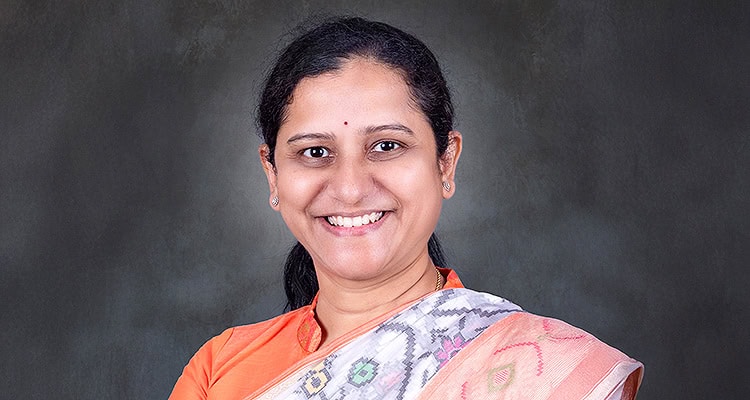
Dr Malini Sukayogula highlights the role of maternal health education in enabling informed pregnancy and childbirth decisions


“There is no tool for development more effective than the empowerment of women.”
— Kofi Annan
Pregnancy is one of the most profound and life-changing experience for any woman.
With the glut of advice and information from family, friends and social media available these days, it can often be confusing. In their most vulnerable time, women feel lost and are unable to decide what’s reliable, what’s outdated, and what really applies to their own bodies. It is critical to empower women with the right information at the right time from the right sources. This is where maternal health education comes in.
Maternal health education refers to providing expectant and new parents with information, skills, and support to promote healthy pregnancies, safe childbirth, and positive outcomes for both mothers and babies. It is more than just sharing medical information. It’s about empowering women to take charge of their own health, notice warning signs, seek help, and get timely and appropriate care.
In our own hospital, we have seen that when women are empowered, they understand the significance of good nutrition, regular check-ups, tests, vaccination and the signs and symptoms of common conditions such as anaemia, high blood pressure, and diabetes. They are able to seek help on time and avoid risks to themselves and their babies. The more health literate the mother is, the better prepared she is to handle adverse situations.
Take the example of a young pregnant woman who was attending childbirth education classes. She felt constantly tired and breathless and realised that something wasn’t right. During her regular antenatal checkup, she raised this concern with her health worker who suggested some tests. When the results came in, she found out that she was anaemic. This timely action saved her and her baby’s life and she went on to have a safe normal birth.
When a woman understands her body, she feels more confident and in control. She can make better decisions not just for herself, but also for her family.
Yet, challenges remain especially among rural and underserved communities. In some families, women are expected to listen to the elders in the family for healthcare decisions. Lack of access to services, medical professionals, and health literacy continues to plague many parts of the country.
Community-based, verified online programmes help fill the gaps. One such example is “Garbh Ki Pathshala”, an initiative by the Department of Health, Government of Rajasthan that supports women with practical pregnancy and postpartum guidance helping improve outcomes for both mothers and babies. They can provide safe spaces for learning and sharing.
Even within Telangana, most public health facilities are beginning to have childbirth education classes that ensure the appropriate information is shared with mothers and families. Teleconsultations and mobile health platforms are also enabling more people to access reliable information, especially in remote or underserved areas.
Obstetricians, gynaecologists and all those who work in the maternal and newborn care are important players in bridging this knowledge gap. They have the opportunity to harness every interaction with expectant families as an opportunity for education and support. When mothers are empowered it not only helps mothers but also families and communities. Empowering women with knowledge and choice is the hallmark of public health and a stepping-stone to a more just society.
- Advertisement -
