

Ethical neurotech is simple: be accurate, be honest, protect the user
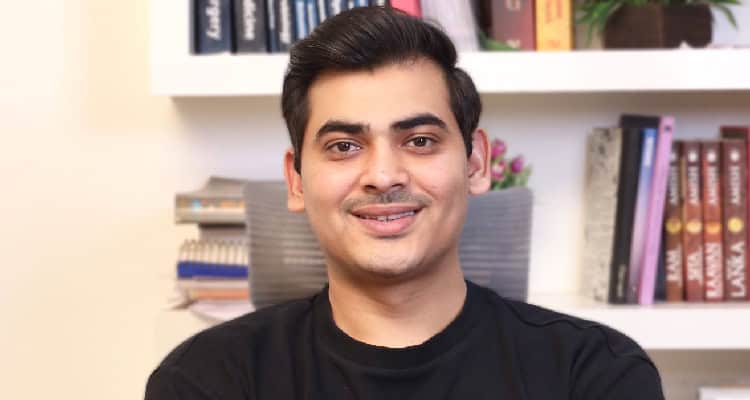
Abhijeet Satani,Research Scientist and Inventor, Brain Computer Interface, shares insights into how neurotechnology and BCIs are moving from futuristic concepts to practical clinical and consumer applications in an exclusive interview with Swati Rana. He also discusses the role of AI, ethical innovation, and scalable design in shaping the next decade of brain–computer technologies


The neurotechnology sector has been growing rapidly in recent years. How do you see the current landscape of BCI and neurotech evolving in the next 5–10 years, both in terms of technology and market demand?
Honestly, I think the next decade is when neurotech stops feeling futuristic and starts feeling normal. In hospitals, you’ll see brain monitoring become as routine as heart monitoring, lighter devices, wireless systems, and BCIs supporting surgery, rehab and neurological care. On the consumer side, we’ll move toward simple, comfortable wearables that don’t just show you brain signals, but actually translate them into: “Hey, you’re mentally overloaded,” or “Your focus is dipping.” The real leap won’t be hardware; it’ll be AI making brain data easy and useful for everyday life.
What are some of the most exciting recent breakthroughs in neurotechnology that could soon become mainstream in clinical or consumer markets?
Actually, a few things excite me. Non-invasive EEG has become shockingly good, with dry electrodes, fast setup, and genuinely clean data. Then there’s minimally invasive BCIs helping people with paralysis communicate or move again, which is remarkable. And finally, closed-loop systems: devices that sense your brain state and adjust therapy or feedback in real time. All three are moving from research labs to actual users, which wasn’t imaginable a few years ago.
BCIs are moving from niche medical applications to consumer-focused solutions. What do you think are the key drivers behind this shift, and how can companies ensure that these technologies are both effective and scalable?
A mix of things. The hardware just isn’t intimidating anymore. People care about mental health and performance as much as fitness now. And AI can make sense of brain signals instantly, that was the missing piece. The challenge for companies is to be honest about what the tech can do. Keep the experience simple, keep the claims grounded, and let science lead the way
In your research, you mention applications for both clinical and lifestyle uses. Can you break down how the market for BCI technology will differ between these two domains? What are some challenges in making BCIs effective for both healthcare providers and everyday consumers?
Clinicians need precision and reliability; their decisions depend on it. Consumers need comfort, affordability and ease. So the same technology has to behave differently: medical systems must be strict and exacting; consumer systems need to be friendly and lightweight. The tricky part is balancing those two worlds without compromising either.
How do you see neurotechnology being applied to emerging conditions like cognitive decline, metabolic health, and stress disorders?
Are there any specific therapeutic areas that are currently underexplored but hold significant promise? We’re learning that the brain shows subtle changes long before symptoms appear. So, neurotech may become an “early warning system”, spotting cognitive fatigue, stress dysregulation or even metabolic shifts before they become real problems. These areas are still underexplored, but the potential is huge.
One of your innovations is the Brain Control Interface Module. Could you elaborate on its clinical use cases today and the road ahead for scaling this technology for broader consumer applications?
Right now, it’s helping doctors, especially in neurosurgery and neuro rehab, understand the brain’s state more clearly during critical moments. The long-term plan is to take the same intelligence and put it into smaller, everyday devices so anyone can track their mental load, stress or cognitive state without needing a medical setting.
Can you walk us through how AI integrates with neurotechnology to provide actionable insights, and how companies can ensure the technology is both ethical and accurate in these applications?
AI cleans the noise, spots the patterns, and turns raw brain activity into something meaningful. But it has to be built carefully, with transparent models, good quality data, and absolutely no exaggeration of what the tech can do. Ethical neurotech is simple: be accurate, be honest, protect the user.
Do you foresee AI-powered neurotechnology being used to monitor or optimise cognitive performance in high-stakes industries such as healthcare, finance, or even elite sports? What challenges must be overcome to make this a practical reality?
Definitely. These fields are all about sustained attention and good decisions under pressure. Real-time brain monitoring could flag fatigue, overwhelm or cognitive dips before mistakes happen. The challenge is making the devices reliable in dynamic environments, where people are moving, stressed or multitasking. But we’re getting closer.
What role do startups and tech giants play in accelerating the commercialisation of neurotechnology? Are there any notable partnerships or trends in the industry that could speed up the adoption of these technologies?
Startups bring bold ideas, they move fast, take risks and experiment. Big tech brings scale and trust. When the two collaborate, things move quickly. That’s when neurotech stops being niche and becomes something the world actually uses.
Finally, as a leading innovator in this space, what are your long-term goals for how neurotechnology and AI can improve human cognition, health, and wellbeing, and how can industry stakeholders align to make these goals a reality?
For me, the dream is simple: neurotech that feels as natural as checking your heart rate or your steps. Tools that help us understand our minds, catch issues early, and support better emotional and cognitive health. And for the industry, I hope we move toward accessibility and honesty, making brain technology something that empowers people, not something that intimidates them. If we get that right, neurotech can genuinely elevate how we think, feel and live.
- Advertisement -
