

India’s MedTech leap: Preparing to lead the global healthcare supply chain
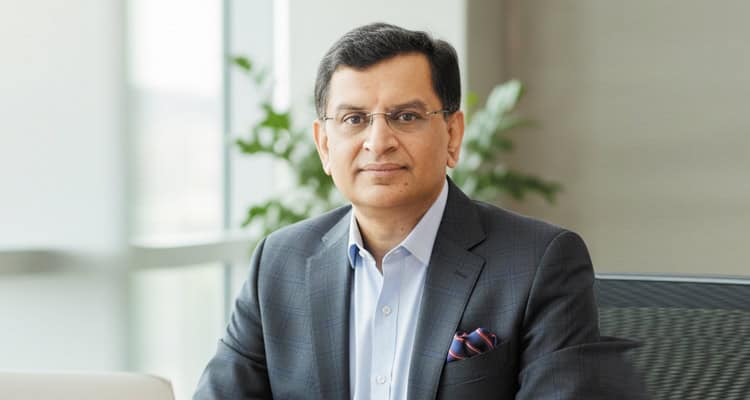
Himanshu Baid, Managing Director, Poly Medicure, outlines how India’s MedTech industry has reached a pivotal moment evolving from an import-dependent sector into a fast-growing, innovation-driven manufacturing powerhouse poised for global leadership


India’s medical devices industry stands at a defining inflection point. Less than two decades ago, the sector was heavily import dependent; today, it has evolved into a globally competitive manufacturing hub with exports rising steadily year after year. Valued at nearly USD 15 billion and growing at a CAGR of 15-16 per cent, India’s MedTech industry is firmly on the path to touching USD 50 billion over the next decade. With a powerful combination of government support, industry-led innovation and the emergence of MedTech clusters, India is steadily positioning itself as the global export capital for medical devices.
Much of this progress has been driven by proactive policy action. Over the past few years, the Government of India has taken decisive steps to strengthen the ecosystem -from the Promotion of Research & Innovation in Pharma-MedTech (PRIP) scheme to the new medical devices scheme and the establishment of dedicated device parks across the country. These initiatives are enabling manufacturers to scale production, adopt advanced technologies and reduce dependence on imports. Regulatory reforms have further improved ease of doing business by aligning India with global standards and streamlining approval pathways.
Tax rationalisation has also played a crucial role, with GST on medical devices being reduced to 5 per cent, improving affordability and encouraging domestic production. However, this welcomed rate rationalisation has inadvertently resulted in a challenge for manufacturers: the inverted duty structure. Many essential medical devices now attract a 5 per cent GST rate, while key raw materials, input services, and job work are taxed at 18 per cent. Additionally, the GST rate for job work in our sector has increased from 12 per cent to 18 per cent. This disparity has led to accumulation of Input Tax Credit (ITC), thereby blocking working capital and increasing financial strain across the industry.
To address this, a revision of the inverted duty refund formula is essential. The current formula excludes input services and capital goods from refunds, despite their critical role in the value chain. Including these components in the refund mechanism would significantly ease working capital pressures, enhance cash flow efficiency, and empower manufacturers to align with national priorities such as Make in India, Atmanirbhar Bharat and ease of doing business. A holistic approach to credit utilisation will strengthen domestic competitiveness and support higherscale production.
Technological disruption is also redefining the MedTech landscape. AI-powered diagnostics, robotics-assisted surgery, 3D printing, IoT-enabled monitoring and data-driven healthcare solutions are transforming how devices are developed, manufactured and used. These emerging technologies are improving precision and patient outcomes, accelerating time-tomarket and lowering costs, making advanced healthcare accessible not only in India but in markets worldwide.
Importantly, India is moving beyond its earlier perception as a low-cost manufacturing destination. The shift from “Manufacture in India” to “Design, Develop and Make in India” is becoming more pronounced. Companies are increasingly investing in proprietary designs, process innovation, and automation. Clinical validation is emerging as a key differentiator, ensuring that Indian products meet global expectations of quality, safety, and usability. Building specialised infrastructure particularly animal testing facilities, will further strengthen India’s ability to conduct credible clinical trials and validations within the country.
Yet, for India to truly become the MedTech capital of the world, it must close the gap in components and raw materials. A large portion of critical inputs – medical-grade steel, polymers, precision metals and specialised electronics continues to be imported. This not only increases costs but exposes manufacturers to global supply disruptions. The automobile industry offers valuable lessons: its success stems from a strong ancillary ecosystem. MedTech, with its equally sophisticated supply chain, needs a similar approach.
Medical device parks present a unique opportunity to build this ecosystem. By developing dedicated component clusters within these parks, India can foster a robust, exportready supply chain that serves both domestic manufacturers and global markets. This would not only reduce import dependence but also strengthen India’s integration into global value chains.
hind this next phase of transformation. Schemes like PRIP are important enablers, but the industry must push beyond incremental improvements. There is tremendous scope for developing affordable, portable and user-friendly devices suited to diverse healthcare environments, particularly in developing nations. Stronger industry academia collaboration will be essential. With India’s deep engineering talent, vibrant startup ecosystem and growing biomedical research base, the country is uniquely positioned to become a global MedTech innovation hub.
Building “Brand India” in MedTech is equally important. Global leadership demands not just manufacturing excellence but trust, visibility and credibility. International certifications, consistent quality and strategic marketing are key. The dedicated Export Promotion Council for Medical Devices (EPCMD) is a timely and important step that will help position India as a trusted global partner. Beyond serving 1.4 billion people domestically, India is strategically placed to cater to nearly 4 billion people across South Asia, Africa, and Southeast Asia.
The decade ahead presents an extraordinary opportunity. If the last three decades belonged to electronics, telecom and pharmaceuticals, the next belongs to MedTech. With a strong manufacturing foundation, rising innovation investments, supportive policy environment and growing global demand, India is poised to claim leadership in the global MedTech arena. But for this to be realised, industry must commit to bold innovation, the government must continue its reform momentum, and academia must partner meaningfully to build a holistic ecosystem from raw materials to finished goods, from design to global delivery.
India’s MedTech journey is not just a story of growth; it is a story of transformation marked by resilience, ingenuity and national aspiration. With the right blend of policy support, innovation and collaboration, India is not merely preparing to compete; it is preparing to lead. As the world seeks accessible, high quality and innovative healthcare solutions, India’s MedTech sector is ready to deliver.
- Advertisement -
