

Preventive healthcare in India: The story we got wrong
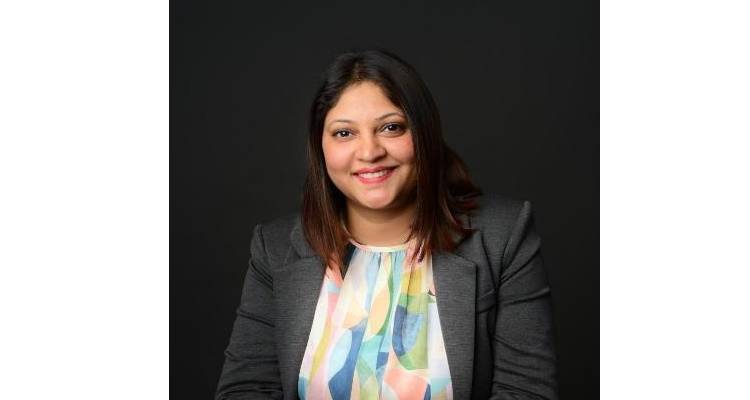
Ankita Srivastava, General Manager, The Healthy Indian Project (THIP) shares her perspective on preventive healthcare in India and emphasises on making preventive healthcare not a luxury, but an urgent necessity in the country.


For decades, a single belief has quietly shaped the way healthcare is funded, delivered, and even imagined in India: preventive healthcare doesn’t work here in India. Investors repeat it.
Policymakers echo it. Doctors often nod in resignation. The assumption feels so entrenched that it passes off as fact – why would anyone in India pay today to avoid an illness that may or may not appear years later?
Yet, beneath this belief lies a fundamental misunderstanding. Those who have spent years working in hospitals, clinics, and community programs see a very different picture. The real story is not that preventive healthcare fails in India, but that it has been defined too narrowly.
The Narrow View That Misled Us
When the phrase “preventive healthcare” comes up in conversations, the mind immediately jumps to diet charts, exercise routines, yoga sessions, and lifestyle coaches. This is wha experts call primary prevention, actions aimed at stopping a disease before it ever begins.
No doubt, these are important. But in a country where awareness levels remain low, where millions struggle with daily survival, and where long-term discipline is hard to sustain, this form of prevention feels like an impossible sell.
And so, the verdict was declared: Indians don’t pay for prevention.
But this verdict ignores the bigger picture. Preventive healthcare is not only about lifestyle choices. It is also about catching illnesses early and managing chronic conditions before they worsen. These two categories, secondary and tertiary prevention, are where the real opportunity, both for impact and for adoption, has always been hiding.
The Real Faces of Prevention
Think of the patient who reluctantly agrees to an annual blood test, only to discover dangerously high blood sugar levels. That one routine check-up, costing less than a family dinner, uncovers diabetes years before symptoms would have appeared. Treatment begins early, complications are delayed, and hospital bills that would have drained the household are avoided.
Or picture the office-goer who signs up for a corporate health package. A screening reveals early-stage hypertension. Lifestyle changes and affordable medication prevent a stroke that could have ended his career or his life.
Now, shift the lens to tertiary prevention. Consider the man with a stent in his heart, carefully following a structured care plan—regular doctor consultations, medication reminders, diet monitoring. Without this support, he would likely end up back in the ICU within months. With it, he avoids not just medical crises, but catastrophic financial costs.
These are not abstract examples. They play out daily across urban hospitals, tier-2 clinics, and even rural camps. Indians are already paying for prevention – just not in the way outsiders assumed.
The Weight of Numbers
The data is unflinching. Non-communicable diseases (NCDs), diabetes, cancer, heart disease, chronic respiratory illnesses, now account for nearly 68% of all deaths in India. More than 270 million Indians live with chronic conditions, and the numbers are rising. Obesity rates have doubled in the last decade. Cancer cases are projected to reach 1.57 million by 2025.
Each of these conditions follows the same grim trajectory: years of silent progression, followed by late-stage detection, expensive hospitalization, and emotional devastation for families.
Yet, studies consistently show that timely screening and structured management can dramatically alter this path. Systematic health checks reduce risk of death by up to 45%.
Early treatment lowers lifetime healthcare costs. Preventive strategies extend not only lifespan but also quality of life.
If these are not compelling reasons to embrace prevention, what are?
Why the Market Was Misunderstood
The problem is not demand, it is perception. For years, preventive healthcare in India has been framed as a “nice-to-have,” a luxury for the health-conscious elite who join gyms and subscribe to wellness apps. But this ignores the millions who engage in preventive care not for fitness goals, but for survival.
- The diabetic who must monitor HbA1c levels every three months.
- The cancer survivor who undergoes routine scans to catch recurrence early.
- The heart patient who relies on rehab programs to stay out of the hospital.
- The woman who books her first mammogram because her neighbour was diagnosed too late.
This is not luxury. This is urgent, life-saving necessity. And it is already happening at scale. The misunderstanding comes from lumping all of this under the shadow of “primary prevention.” In reality, the most critical layers of preventive healthcare in India are secondary and tertiary, and they are deeply embedded in people’s healthcare journeys.
The Road Ahead
The truth is, preventive healthcare in India is not failing, it is evolving. Awareness may be uneven, and access still unequal, but the direction is clear. Urban professionals increasingly sign up for annual health packages. Corporates invest in employee screenings because healthier workers mean higher productivity. Insurance companies gradually introduce wellness-linked premiums. Even state governments expand screening programs for NCDs in rural districts.
The challenge now is not to convince people that prevention matters. The challenge is to design systems that make prevention accessible, affordable, and continuous, not a one-time event, but a lifelong practice.
This requires reframing the narrative. Preventive healthcare is not about selling gym memberships or dietary supplements. It is about building an ecosystem that catches disease early, supports patients through chronic care, and helps families avoid medical bankruptcy.
Rethinking the Story
The belief that preventive healthcare doesn’t work in India came from looking at the wrong evidence. Yes, lifestyle-driven prevention alone is a tough proposition. But when prevention is understood in its full spectrum—primary, secondary, and tertiary—the story changes completely.
India’s disease burden is shifting. Non-communicable diseases are rising. Hospitalisation costs are exploding. Families are desperate for solutions that save both lives and money. In this context, preventive healthcare is not just viable—it is inevitable.
The real story is this: preventive healthcare in India is not a weak market. It is one of the largest growth opportunities in healthcare, driven not by luxury but by necessity. And those who recognise this truth early will help shape not just an industry, but a healthier future for millions.
- Advertisement -
