

The new era of heart surgery: From minimally invasive care to transplantation
What once required long hospital stays and heavy recovery can now often be managed with smaller procedures that heal quickly and restore daily function faster. Minimally invasive techniques are the best example of this shift. Instead of opening the whole chest, surgeons can bypass arteries or repair valves through small openings

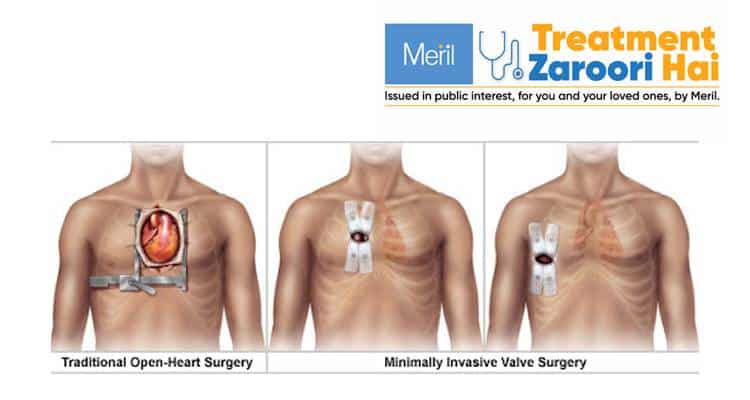

 The progress in cardiac surgery has opened up treatment choices for people with very different heart conditions. What once required long hospital stays and heavy recovery can now often be managed with smaller procedures that heal quickly and restore daily function faster.
Minimally invasive techniques are the best example of this shift. Instead of opening the whole chest, surgeons can bypass arteries or repair valves through small openings. These procedures reduce pain, speed up mobility and help patients return to normal routines in a matter of weeks. Imaging tools and robotic systems give surgeons a clear and detailed view inside the chest, allowing accurate corrections with less strain on the body. For many patients, this means improved heart function, better energy levels and a quicker return to work and social life.
Valve replacement is another area transformed by technology. Surgeons now repair or replace faulty valves with careful precision, often avoiding the large incisions that were once standard. Both mechanical and biological valves are reliable options. Mechanical valves last longer, while biological valves allow many patients to avoid lifelong medication. The right choice depends on lifestyle and long term goals. After surgery, most patients notice easier breathing, better sleep and more stamina through the day.
Heart transplantation remains essential for people with advanced heart failure when no other treatment works. The evaluation before surgery is detailed to ensure the patient is ready for the transplant and the care that follows. Medication to prevent rejection, regular check ups and careful infection control are critical after surgery. Thanks to better donor heart preservation and improvements in postoperative care, transplant survival rates have steadily improved. Many patients return to work, enjoy family life and take part in normal activities again.
Open heart surgery is still the right choice for complex cases that need direct access to the heart. Surgeons use it to repair structural defects, replace valves or treat several blockages at once. Recovery is longer, but the improvement in day to day comfort can be significant.
Across all these methods, long term health depends on lifestyle choices. A balanced diet, regular walking, good sleep and blood pressure control make a real difference. With the right guidance and timely medical care, modern cardiac surgery helps people regain strength and return to a full, active life.
Cardiac surgery has come a long way, giving patients safer procedures, shorter hospital stays and better recovery. One of the biggest shifts has been the rise of minimally invasive techniques. These procedures use small incisions and advanced tools that help surgeons work with accuracy while reducing strain on the body.
Minimally invasive coronary artery bypass surgery is one example. Instead of opening the full chest, the surgeon works through a small opening to bypass blocked arteries. This approach causes less trauma, less blood loss and less pain after surgery. Most patients are able to walk sooner and get back to daily tasks like climbing stairs or light household work much earlier than they would after a traditional bypass. It works best for people with one or two major blockages and good heart strength. Over time, these patients usually notice better stamina, fewer symptoms and more confidence in their routine activities.
Valve surgery has also become easier on patients because of these advances. Many valve repairs and replacements now happen through small incisions or with robotic support. This means smaller scars and faster recovery. Most patients can return to normal life within a few weeks. The choice between mechanical and biological valves depends on age, lifestyle and comfort with long term medication. Mechanical valves last longer, while biological valves need fewer medicines. Whichever option is chosen, the goal is steady blood flow, better energy levels and less discomfort during day to day life.
Open heart surgery still plays a major role, especially for complex issues like multiple blockages or structural problems present since birth. It allows surgeons to see the heart clearly and fix issues thoroughly. The recovery is longer, but the improvement in breathing, stamina and overall comfort is worth it for many patients.
Across all these procedures, recovery depends on long term habits. Regular exercise, a heart friendly diet, controlled blood pressure and routine follow ups help patients stay healthy. With proper care and timely treatment, most people regain independence and enjoy a comfortable, active life.
DISCLAIMER: The views/suggestions/opinions expressed in the article are the sole responsibility of the brand concerned this should not be considered a substitute for medical advice.
Please consult your treating physician for more details.
- Advertisement -