

How India’s STEMI revolution goes global
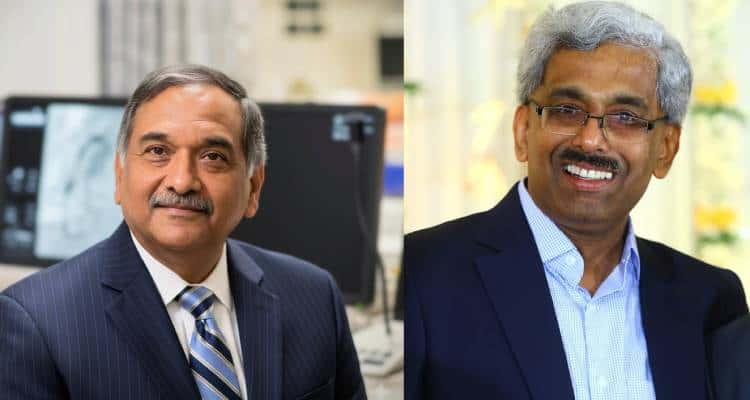
Dr Thomas Alexander and Dr Ajit Mullasari expand on how the STEMI India Model, built on AI, can lead the way globally for heart attack care


Coronary artery disease (CAD) remains highly prevalent in the Indian population, with Indians facing a three-four times higher risk than Americans, six times higher than Chinese, and twenty times higher than Japanese. CAD also presents much earlier in Indians nearly 10 years earlier than in other ethnic groups with 25 per cent of myocardial infarctions occurring before the age of 40. Alarmingly, half of all CAD-related deaths in India occur below the age of 50, highlighting a substantial loss of young lives and underscoring the urgent need for aggressive prevention and early management strategies.
The big idea: STEMI India model
Against the backdrop of limited infrastructure and high mortality, as cardiologists, we launched a movement. Having worked in the very heart of India’s healthcare system, we had witnessed these challenges firsthand, recognizing the urgent need for a model that truly reflected India’s realities.
In 2011, we introduced the STEMI India Model, a homegrown system not built on replicating resource-heavy Western frameworks, but on overcoming India’s unique barriers of distance, infrastructure gaps, and affordability, all enabled through a robust digital hub-and-spoke network.
Innovation for India’s needs:
The key to implementation was creating a seamlessly integrated, three-tiered system enabled by a digital hub-and-spoke network. This system ensures that every patient, from a remote village to a bustling city, receives appropriate, time-critical treatment.
The Strategy: A context-specific treatment plan delivered based on proximity:
-
Remote Areas: Clot-busting medicine (thrombolysis) is administered immediately at the Spoke center.
-
Semi-Urban Regions: Thrombolysis is administered, followed by rapid transfer for angioplasty.
-
Cities and Metros: Immediate access to angioplasty (Primary PCI).
Proven results: New data shows sharp drop in mortality
The life-saving impact of the model is confirmed by recent data from the Tamil Nadu program, showcasing its effectiveness and sustainability:
-
Sustained mortality drop: The overall heart attack mortality rate has steadily reduced since the program’s inception in 2019. Notably, certain program clusters (Phase II Hubs) achieved an even greater reduction of close to 46 per cent in heart attack mortality.
-
Scale and access: The model has successfully delivered time-critical care to over 70,000+ STEMI patients to date.
-
Advanced care for remote areas: For patients in remote areas who normally lack access to interventional procedures, the program ensured that four times the number of patients now had access to life-saving angioplasty, often following successful initial thrombolysis.
Technology as an enabler
The program continues to evolve by leveraging Artificial Intelligence (AI) to improve diagnosis at the neighborhood level. The latest innovation is the introduction of AI-enabled Chest Pain Clinics (CPCs).
These clinics use tele-ECG services driven by proprietary AI algorithms for prompt and highly accurate diagnosis of STEMI in minutes. Crucially, the AI also guides general practitioners in diagnosing and treating heart attack patients more effectively, standardizing care even when specialist cardiologists are miles away.
India leads the way for global health equity
The STEMI India Model’s success is now recognised globally. Its endorsement by the European Society of Cardiology affirms that this Indian-designed system is a universal standard for equitable and efficient heart care in low- and middle-income countries (LMICs).
-
Value creation for the society: Studies show that every Rs 1 invested in the program returns nearly Rs 4 in value to the health system through averted deaths, reduced disability, and lower downstream costs.
-
Global adaptation: The model’s successful systems, protocols, and digital tools are now actively being implemented in international pilot projects across countries including Egypt, South Africa, Tanzania, Peru, Sudan, and Azerbaijan.
-
The future alliance: The SSL–GHATI Global Alliance, led by Dr Alexander, is taking this life-saving protocol, truly “Made in India,” to the world.
The STEMI India Model is viewed as a movement toward equitable and efficient heart care. It is also considered universally applicable and scalable, making it highly relevant for managing STEMI in low- and middle-income countries with limited access to infrastructure and manpower.
- Advertisement -