

The rise of hybrid OPDs: Connecting metro specialists with tier-2 patients
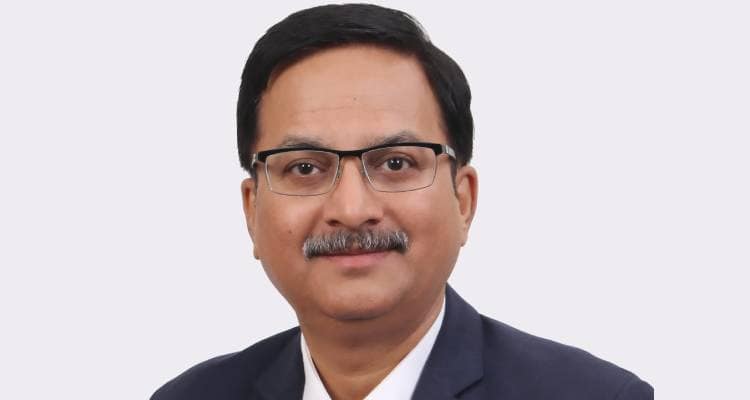
Anurag Yadav, CEO, Livasa Hospitals explains how technology, improved healthcare infrastructure, and changing patient expectations are driving this shift, making quality healthcare more accessible, affordable, and convenient for people closer to home


Healthcare in India is slowly changing, and one shift that’s clearly visible is the rise of hybrid OPDs. For years, people in smaller cities had to travel to metros for specialist treatment. That is now starting to change. Hybrid OPDs are helping bring those specialists closer to patients, without them having to leave their city.
A simple idea that works
The model is quite straightforward. A patient visits a nearby clinic for basic check-ups and tests. The reports are then shared with a specialist sitting in a metro city, who consults the patient over video.
This way, patients still get a physical touchpoint but also access to expertise that may not be available locally. It’s a mix that seems to be working well, especially in cities where specialists are hard to find.
Why more people are opting for it
There are a few clear reasons behind this shift. People are more aware about their health now and are actively seeking consultations. At the same time, smartphone use has gone up sharply, making video consultations easier.
Cost is another big factor. Travelling to a metro, staying there, and managing other expenses can be stressful. Hybrid OPDs cut down most of that. Cities like Mohali, Amritsar, Hoshiarpur, Indore and Kanpur are already seeing a steady rise in such consultations.
Infrastructure is also improving. Smaller cities now have better hospitals and diagnostic centres than before. Along with this, government initiatives like the Ayushman Bharat Digital Mission and telemedicine guidelines have made it easier to adopt these models.
Technology meets day-to-day care
What makes hybrid OPDs practical is that they don’t rely only on technology. Patients still go to a clinic, meet a doctor or staff, and get tests done. The digital part comes in when specialists review cases or guide treatment.
We have already established a similar model in cities like Nawanshahr and Khanna, where patients receive super-specialist consultations from doctors based in Mohali. AI tools also help with follow-ups, reminders, and even basic communication in local languages. For patients managing long-term conditions, this can make a real difference.
What it means for patients
The biggest benefit is simple—less travel. Patients save time, money, and effort. They can access specialist advice without leaving their city.
Follow-ups have also become easier. Instead of planning another trip, patients can connect virtually. This helps them stay on track with treatment, especially in chronic cases. In some situations, early signs of complications are picked up sooner because of regular monitoring.
For clinics, this model also makes sense. They can handle more patients without needing a full-time specialist for every department.
Where this is headed
Going forward, the demand is likely to move more towards specialised care—areas like neurology, orthopaedics, and oncology. At the same time, smaller cities are adopting digital systems faster, without the baggage of older setups seen in metros.
Hybrid OPDs are not a complete replacement for traditional care, but they are filling an important gap. They are making it easier for people in Tier-2 and Tier-3 cities to access quality healthcare without too much disruption.
In a way, this model is bringing metro-level care closer to home—and that is what makes it important.
- Advertisement -
