

Cashless healthcare in India: Bridging operational gap between hospitals, TPAs, and insurers
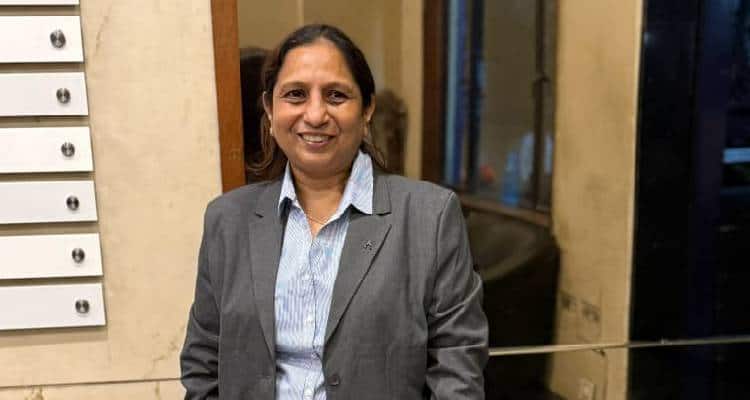
Trupti Balasubramaniam, CEO & Principal Officer, Probus highlights how India’s cashless health insurance system, despite rapid growth, is failing patients during critical moments due to delays, poor coordination, lack of transparency, and a growing trust deficit across the healthcare ecosystem.


Every day, across hospital admission counters in cities like Pune, Hyderabad, and Kolkata, a quiet crisis plays out. A family arrives with a medical emergency and an insurance card. What they encounter instead is a waiting game, phone calls to TPAs, requests for documents, hours without a clear answer, while the patient waits.
This is not a rare breakdown. It is a routine one.
India’s health insurance industry has grown impressively over the past decade. Premium collections have crossed Rs 1 lakh crore, network hospitals number in the tens of thousands, and insurers have launched products tailored for senior citizens, diabetics, and rural households. But the true test of any health policy is not the day it is purchased; it is the day someone actually needs it. And in hospital corridors across the country, that test is being failed more often than the industry cares to acknowledge.
The Promise That Brought People In
The cashless model was built around a humane and straightforward idea. During hospitalization, the insurer pays the hospital directly, sparing the patient from financial scrambling during an already difficult time. It was the feature that convinced millions of middle-class Indian families to finally invest in health coverage. The pitch was simple emergencies are stressful enough and money should not be an concern for the family of the policyholder.
For a while, the promise held. Network hospitals expanded. Digital claims processing improved turnaround times. Pre-authorization systems reduced some of the paperwork burden. The foundation was being built. But foundations alone do not deliver experience. And somewhere between the policy brochure and the hospital admission counter, something continues to go wrong.
Where the System Strains
The pre-authorization stage is where most families first encounter trouble. Insurers demand details of diagnosis, treatment estimates, and supporting paperwork to sanction cashless care. Smaller hospitals with heavy workloads file incomplete paperwork.
Insurers raise queries. TPAs shuttle communications back and forth. Hours pass.
Meanwhile, the patient’s family waits outside, in the corridor in front of the insurance desk, watching their phones for an update that does not come quickly enough.
The billing stage creates its own friction. There is no uniform treatment coding across Indian hospitals. A surgical package at one facility may mean something entirely different at another. Room-rent caps buried in policy fine print suddenly become relevant when a patient is allotted a room and the insurer categorizes differently. Consumable charges, which most families assume are covered, frequently are not. These monetary jolts come precisely the moment families are least prepared to face that situation.
A Trust Problem Nobody Wants to Name
Beneath the operational delays lies a deeper issue a trust deficit that runs through the entire ecosystem, and that nobody in the industry openly discusses.
Insurers are legitimately cautious. Fraud, unnecessary procedures, and inflated billing are genuine challenges in Indian healthcare. Hospitals, in turn, have real grievances about delayed settlements and unexplained claim deductions that quietly damage their cash flows. TPAs are often stuck in the middle and do not have the authority or agility to address disagreements before they escalate.
The policyholder sits at the centre of all this friction, absorbing consequences they did not cause and cannot easily contest. A family questioning a claim deduction is not doing so from a position of comfort. They are doing it from a hospital waiting room, emotionally exhausted, financially stretched, and trying to hold things together. In that context, every administrative delay feels personal. Every unexplained deduction feels like a betrayal.
The Fix Is Not Just Digital
There has been genuine progress on the technology front digital submissions, faster approvals, and better communication between hospitals and insurers which has made quiet a difference. But a digital portal is only as good as the documents uploaded into it, and faster systems mean little if the underlying process remains broken.
The harder work is elsewhere. Claims documentation needs standardization across hospitals of every size. Insurers need to explain what a policy actually covers through honest conversations at the point of sale, not through fine print that surfaces only during a crisis. And until hospitals and insurers stop treating each other as adversaries, the patient will keep paying the price for a dispute that was never theirs to begin with.
The Standard Worth Holding
India is rightly ambitious about expanding health insurance coverage. But coverage without quality of experience is an incomplete promise.
Someone who has paid premiums faithfully for years deserves to walk into a network hospital during a crisis and focus entirely on recovery and not on managing paperwork, arranging deposits, or decoding exclusion clauses at midnight.
That is not an unreasonable expectation. It is, in fact, the only expectation that matters. The industry has built the infrastructure. Now it must build the trust to match.
- Advertisement -
