

Bridging the gap in pain awareness and treatment accessibility
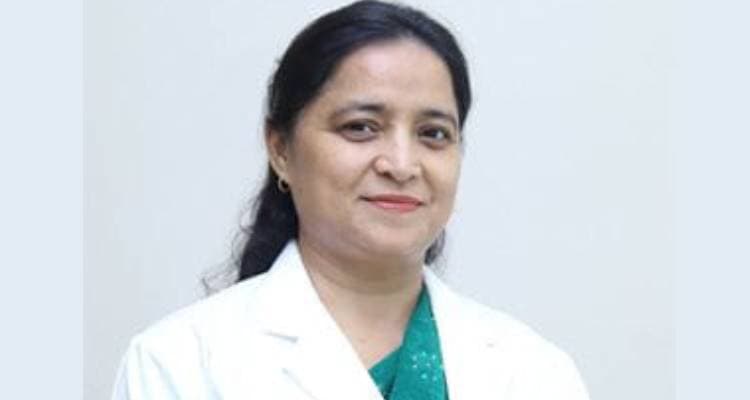
Dr Aanchal Sharma, Pain Physician, Principal Consultant and Head of Department, Department of Pain Medicine, BLK MAX Hospital, New Delhi, highlights how chronic pain often goes unrecognised and untreated due to limited awareness, misconceptions around treatment options, and delayed medical intervention. She explains the evolving role of Pain Medicine in accurately diagnosing the root cause of persistent pain and delivering targeted, minimally invasive treatments that can significantly improve quality of life and long-term well-being


Ask someone living with chronic pain why they did not seek treatment earlier, and the answer is rarely straightforward.
Some thought the pain would eventually go away. Others blamed it on age, work pressure, or a busy lifestyle. Many simply got used to it.
That may sound surprising, but it happens more often than we realize. Pain has a habit of quietly becoming part of a person’s routine. A missed walk here. A restless night there. A decision to skip an outing because the discomfort feels a little worse than usual.
The problem is that pain often enters people’s lives gradually, making it easier to ignore until it starts affecting daily life in a meaningful way.
When pain becomes “Normal”
One of the reasons pain management remains challenging is that people frequently underestimate persistent pain.
A stiff back after a long day is one thing. Pain that keeps returning for months is another. Yet many individuals continue to treat the two as if they are the same.
By the time medical advice is sought, the impact is often visible. Work becomes harder. Sleep suffers. Everyday activities that once felt effortless begin to require planning and adjustment.
For employers, this can translate into lost productivity. For individuals, it can mean years spent adapting to a problem instead of addressing it.
Knowing help exists doesn’t always mean complete knowledge about it
Awareness is important, but it is only part of the picture. Due to lack of complete awareness, people are reluctant to get the treatment. As per general understanding, treatment of pain means either taking long term pain killers or some kind of surgery done. Some just continue doing home physiotherapy for months without getting any significant pain relief.
But with the development of the new field called “Pain Medicine” the approach to taking care of pain has changed. A Pain Medicine doctor specialises in diagnosis and treatment of the pain which has been bothering you for a very long time. The pain physician helps you identify the cause of your pain. It is done through detailed history, examination followed by some blood test and radiological test like X ray, CT scan or MRI if needed. After identifying the cause of pain, a plan is made which works best for the patient. This plan included various minimally invasive pain and spine intervention (MIPSI) which targets the cause of the pain. Once the cause has been taken care of, pain automatically disappears. These procedures are done under image guidance which is either X ray machine or Ultrasound and hence safe for the patients. The discharge is done on the same day of the procedure.
Looking ahead
There is no single answer to the challenge, but progress is happening.
Teleconsultations are helping reduce geographical barriers. Healthcare providers are increasingly working across specialties. More importantly, conversations around pain are changing. With the advancement in the medical field, there are technologies which can accurately diagnose the cause of a patient’s pain and with the MIPSIs, the treatment is targeted to remove that cause.
That shift matters
Pain may be common, but living with untreated pain should not be. The goal should be simple: help people recognize pain earlier, access care more easily, and receive the support they need before pain begins to define their everyday lives. Consulting a “Pain Physician” at an early stage in the disease process, can help not only getting rid of the pain completely but also on overall quality of life, independence, and well-being.
- Advertisement -
