

The silent burnout crisis: Why healthcare professionals need mental health support
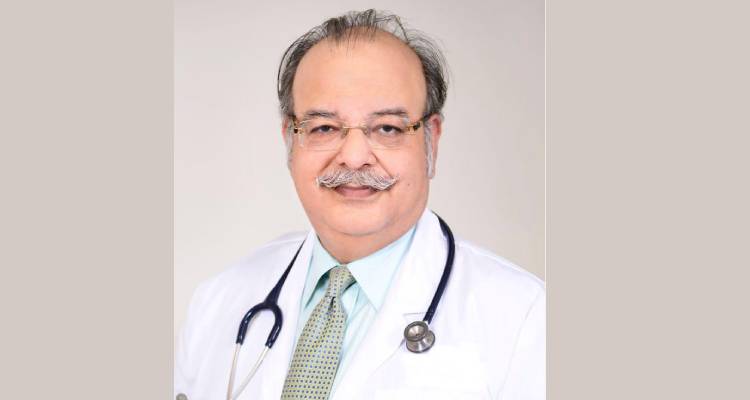
Prof. Dr Sanjeev Bagai, Padma Shri, Sr. Consultant Paediatrician, Pediatric Nephrologist and Founder of Zenre highlights the rising incidence of burnout among medical practitioners, the factors driving this crisis and why prioritising emotional wellness is essential not only for healthcare workers but also for India's broader development goals


India is facing a silent mental health emergency fueled by air pollution, academic pressure, professional workload, lifestyle disorders, social media addiction and emotional isolation. Concerns around emotional wellness, anxiety, depression and cognitive decline are becoming increasingly central to public discourse. India cannot become a developed nation with an emotionally exhausted population. Paradoxically, those who are contributing enormously to keep and make India healthy are also facing burnout.
Healthcare Practitioner (HCP), is a syndrome caused by long-term workplace or professional stress. It leads to emotional exhaustion, lack of empathy, and a reduced sense of achievement. There are multiple factors and forces at work for the silent burnout crisis and healthcare professionals also need mental support as much as their patients. Common triggers are excessive administrative tasks, long shifts, chaotic work environments, and a lack of work-life balance.
Doctors deal with life and death situations, critical cases , long ICU care time and sometimes 24 hours continuous shifts. Such workload exhausts them both physically and mentally. Other contributing factors are patients’ relatives queries, risk of complications or litigation in cases of any unfortunate events or death. Moreover, critical care monitors alarms and midnight reports review also contribute to the mental burnout and exhaustion- physical, mental , psychological, emotional.
The serious fall outs of these high pressure jobs are many.
Medical errors: Tiredness makes it harder to focus, raising the risk of mistakes.
Mental health: It often leads to severe anxiety, depression, even suicidal thoughts.
Personal life: Broken relationships, isolation, turning to drugs or alcohol to cope.
The occupational burnout rate among physicians in India continues to moderate since skyrocketing to a record-high in 2021 during the COVID-19 pandemic, although Indian. physicians remain at higher risk for burnout relative to other sectors workers.
A Study – Assessment of Burnout Among Healthcare Practitioners in India by the Journal of Association of Physicians in India (JAPI)- reveals concerning facts. It showed that Healthcare practitioners (HCPs) face high stress levels at work due to the demanding nature of their profession, making them more susceptible to burnout.
A descriptive cross-sectional, pan India study was conducted from October 6 to 26, 2022. A total of 763 Indian HCPs participated in the study. The prevalence of burnout among HCPs was assessed using the Copenhagen Burnout Inventory (CBI). For the survey, out of the 763 HCPs, 577 (76 per cent) were males and 186 (24 per cent) were females. The average age of the HCPs was 43.4 years. The survey revealed that the prevalence of personal, work-related, and patient-related burnout was 47, 31, and 35 per cent, respectively, with 24.9 per cent experiencing all three types of burnout. Burnout was more common among female and younger practitioners.
HCPs who spent longer hours a day treating patients and those with night duties and night calls reported higher burnout levels. A larger proportion of smokers reported work-related burnout. Regular exercise of at least 45 minutes and 6 hours of sleep was associated with lower burnout levels. Additionally, HCPs with anxiety as a medical condition were more likely to experience all three types of burnout. The study revealed significant prevalence of burnout among HCPs, with approximately 25 per cent experiencing all three types of burnout.
The latest national burnout survey found over 45 per cent of physicians reporting at least one symptom of burnout. This rate of burnout is a concern and needs serious attention as burnout can have negative implications for the healthcare system.
Doctors are just as human and vulnerable as any other individuals. As doctors also get hurt , exhausted, fatigued, and run dry on emotional tanks, they also occasionally need therapy or counselling. For these, facilities must exist in house.
Frequent breaks , sports , time out , family visits, social gatherings , organisational off site activities can help to ease the stress doctors usually experience.
India’s growth ambitions cannot be fulfilled unless emotional wellness becomes a national priority. A person, especially HCP, can only perform well if emotionally stable and mentally focused. Mental health is directly linked to productivity, national growth and quality of life. A rough estimate indicates that economic loss due to mental health conditions between 2012 and 2030 would be approximately USD 1.03 trillion.
In an age defined by pollution, professional pressure and digital overload, India’s real development story will depend not only on economic growth, but also on the mental and emotional wellbeing of all its people.
- Advertisement -
