

Health and education: Two sides of the same development story
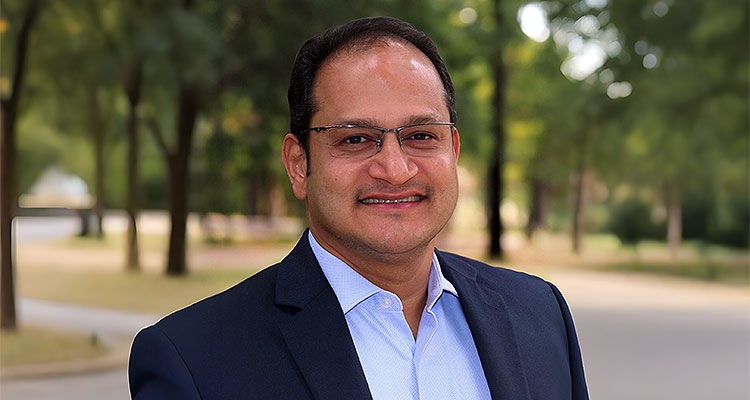
Jaison C Mathew, Chief Executive Officer, Christel House India, speaks to Kalyani Sharma about why improving child survival alone is no longer enough, the growing impact of nutrition, mental health and preventive healthcare on learning outcomes, and why schools should play a larger role in identifying health challenges early


India’s health indicators have improved markedly over the past two decades, but are we overlooking a different crisis, one where children are surviving but not necessarily developing to their full potential? What are you seeing on the ground that national data may not fully capture?
India has made significant progress in improving child mortality numbers and expanding access to healthcare, and that deserves recognition. The next challenge, however, is ensuring that children are not only surviving but also developing to their full potential.
What we see at Christel House India is that many children from underserved communities arrive at school physically present but carrying barriers that are far less visible. Hunger may no longer be severe enough to keep them out of school, but poor nutrition still affects concentration and cognitive development. Untreated vision or hearing issues can quietly impact learning for years. Many children are also coping with family instability, financial stress, or emotional trauma that makes it difficult to engage fully in the classroom. We had a student who was struggling to concentrate in class and was frequently falling ill. Our nursing staff discovered that he was anaemic. After receiving the right nutritional and medical support, he began attending regularly and participating more actively in class.
These are challenges that are not always reflected in research indicators, but they have a profound influence on a child’s ability to learn and, ultimately, build a different future. This is why we view education and child development as inseparable. Alongside academics, our model integrates nutrition, healthcare, counselling, and social-emotional support because a child who is hungry, unwell, or emotionally distressed cannot fully benefit from even the best classroom instruction.
For children from underserved communities, survival is the starting point. Real progress is measured by whether they are healthy, confident, and supported enough to translate education into long-term opportunity.
In your experience, which health-related issues most commonly disrupt a child’s educational journey nutrition, chronic illness, mental health concerns, access to care, or something else? How have these challenges evolved over the years?
It is rarely one health-related issue alone. For children growing up in underserved communities, nutrition, physical health, mental wellbeing, and access to healthcare are deeply interconnected, with each influencing the others.
Many children join us carrying multiple burdens at once. They may be malnourished, living with untreated health conditions, experiencing stress at home due to financial insecurity, or lacking access to timely medical care. Any one of these can affect school attendance, concentration, confidence, and ultimately a child’s ability to learn. Together, they can significantly disrupt a student’s educational journey.
Over the years, we have also seen the nature of these challenges evolve. While undernutrition and untreated illnesses remain concerns, there is growing evidence of the impact that chronic stress, anxiety, and emotional well-being have on children’s ability to participate fully in school. These are not always visible in the way a fever or an infection is, but they influence how children engage with learning every day.
Combining nutritious meals, preventive healthcare, counselling, and social emotional support at a school level, as we do, is important. This is because meaningful learning is only possible when a child’s physical and emotional needs are being met. Addressing one without the others rarely delivers lasting outcomes.
Schools are rarely viewed as part of the healthcare ecosystem. Yet they are often the first institutions to spot signs of malnutrition, emotional distress, or untreated illness. Do you think India is underutilising schools as a platform for preventive healthcare?
Schools often become the first place where signs of health-related challenges begin to surface, since children spend a large part of their formative years there. Teachers and school staff see children almost every day. They notice when a student is frequently absent, struggling to concentrate, becoming withdrawn, or showing changes in behaviour. Those observations can provide an early indication that something beyond academics may be affecting the child.
This creates a significant opportunity for schools to play a stronger role in preventive healthcare, particularly for children from underserved communities who may have limited access to regular medical care. Schools cannot replace healthcare providers, but they can become an important point for early identification, timely referrals, and ongoing support before relatively minor issues begin to affect a child’s education.
We have seen the value of integrating health into the school experience. Regular health screenings, vision and hearing assessments, dental care, counselling, and access to healthcare professionals help us identify concerns early and intervene before they become larger barriers to learning. Because these services are part of the school ecosystem, children receive support in an environment that is familiar and accessible to them. In one instance, a student who had been consistently falling behind academically was found, through a routine vision screening, to have severe eyesight issues. After receiving corrective glasses, the student’s classroom participation improved significantly, demonstrating how early identification of a relatively simple health concern can have a meaningful impact on learning.
Ultimately, health and education should not be viewed as separate conversations. When schools are equipped to recognise these challenges early and work alongside families and healthcare providers to address them, they become not only places of learning, but also important partners in supporting children’s overall development.
Mental health among children and adolescents has become a growing concern globally. How visible is this challenge among students from economically vulnerable communities, and are existing support systems adequate to address it?
Among children from economically vulnerable communities, mental health is closely linked to the realities they live with every day. These could be financial insecurities at home, unstable family environments, exposure to violence, uncertainty about the future, or the pressure to contribute to household income.
Some students become withdrawn or anxious, while others struggle with concentration, attendance, confidence, or behaviour in the classroom. Without the right support, these signs are sometimes mistaken for a lack of interest or discipline, when they may actually reflect emotional distress.
Although awareness of mental health has improved considerably today, access to support remains uneven. Many families are unfamiliar with mental health services, continue to carry a stigma about it, or face practical barriers in accessing them. Schools often have limited counselling resources despite being the institutions that interact with children most consistently.
This is one reason why we have made emotional wellbeing an important pillar in our educational approach. Our counsellors and social workers work closely with students, while social emotional learning is embedded into everyday school life. Equally important, we engage families because a child’s well-being is shaped both inside and outside the classroom.
When children feel emotionally safe and supported, they are better able to participate in school, build healthy relationships, and develop the confidence needed to pursue opportunities beyond education.
Policymakers often discuss health and education as separate sectors competing for resources. From your perspective, what are the costs of treating them as independent priorities rather than interconnected investments in human capital?
Health and education are often discussed as separate sectors, but for the children we work with, they are inseparable parts of the same journey. A child who is hungry, frequently unwell, or experiencing emotional distress cannot fully benefit from even the best classroom instruction. Equally, good health on its own cannot unlock opportunity without access to quality education.
Poverty, poor nutrition, limited access to healthcare, financial stress, and interrupted education reinforce one another. Addressing only one of these challenges means the others continue to hold a child back.
That understanding has shaped our approach. Alongside academics, we invest in healthcare, nutrition, counselling, family engagement, career guidance, and support beyond Grade 12 because we have seen that lasting educational outcomes depend on much more than what happens inside the classroom. These interventions are not separate programmes. Together, they create the conditions that allow children to learn, remain engaged, complete higher education, and transition successfully into employment. The outcomes reinforce this approach. At Christel House India, we have consistently recorded an approximate 98 per cent attendance rate and a 97 per cent student retention rate. Also, about 99 per cent of our graduates are either pursuing higher education or employed.
When we think about investing in human capital, this is what it means. Health enables learning. Education expands opportunity. And when put together, they create the foundation for economic mobility, stronger communities, and a more productive workforce.
As India works towards the vision of Viksit Bharat, I believe we need to see these sectors not as competing priorities, but as complementary investments. The greatest returns will come when every child, particularly those from underserved communities, has both the health and the educational support needed to realise their full potential.
As India shifts its focus from reducing mortality to improving quality of life and long-term outcomes, what policy interventions would have the greatest impact on ensuring that children not only stay healthy but are also able to learn, thrive, and break cycles of poverty?
As a country, we have made significant progress in improving child survival and expanding access to education. The next stage of that journey is ensuring that every child has the opportunity not only to survive, but to thrive and realise their full potential.
To achieve that, I believe we should continue strengthening the systems that support the whole child. Good nutrition, access to preventive healthcare, mental health support, and quality education should work together rather than as separate interventions. When these foundations are in place, children are far better positioned to learn, stay engaged in school, and build the confidence and resilience needed for the future.
For children from underserved communities, another important priority is supporting them through the transitions where many are at greatest risk of falling behind. Securing admission to college is a significant milestone, but for many firstgeneration learners, the challenges do not end there. Navigating higher education, managing financial pressures, adapting to unfamiliar environments, and preparing for employment often require continued guidance if educational gains are to translate into longterm mobility. Our own experience at Christel House India has reinforced the importance of this long-term approach. We continue supporting students from early childhood through young adulthood with career guidance, employability skills training, socio-emotional support, mentoring, internships, job placements, and scholarships for higher education. As a result, 100 per cent of our students transition into tertiary education before taking their next steps towards employment.
While supporting children with healthcare, nutrition, counselling, family engagement, and career guidance during their school years is important, continuing that support through higher education and into employment has an equally significant role to play in helping them build sustainable futures.
Investing in children from underserved communities is one of the most meaningful investments we can make to grow as a nation. When we equip them with the health, education, and sustained support they need to succeed, we are not only transforming individual lives but also strengthening the country’s future human capital and long-term economic growth.
[email protected]
[email protected]
- Advertisement -
