

Integrating self-care into healthcare systems
A new Economist Enterprise research report, Making self-care work: integrating self-care into health systems, supported by Bayer, explores how self-care can improve health outcomes, expand access and ease pressure on overstretched health systems. Daniella Foster, Senior Vice President and Global Head of Public Affairs, Market Access & Sustainability at Bayer Consumer Health, discusses the report’s findings and what it would take to integrate self-care more effectively into formal healthcare systems in an interaction with Swati Rana

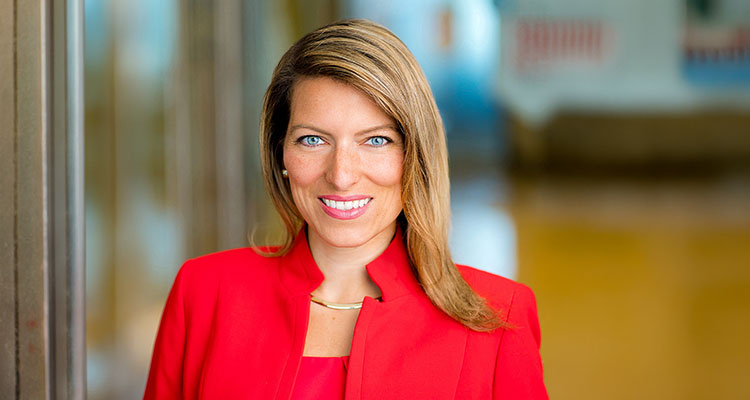

The report argues that selfcare should become more integrated into formal healthcare systems. What would a truly integrated selfcare model look like, and where are health systems currently falling short?
Self-care should not sit outside the healthcare system. It should be embedded within it as the first step in a connected healthcare journey—from prevention and the management of minor ailments through treatment. Most health decisions are made at home, not in hospitals or clinics. Globally, of the 8,760 hours in a year, people spend only around 10 hours with healthcare professionals, reinforcing how much of health management happens outside formal healthcare settings.
A truly integrated model empowers people to manage everyday health needs while ensuring they can access professional care when they need it.
For that to work, people need reliable, evidence-based information, affordable access to quality self-care solutions, appropriate safeguards, and clear referral pathways. These elements also need to connect primary care, pharmacies, digital tools, and health literacy. We are already seeing examples of what this can look like. It was highlighted in recent research by Economist Enterprise and supported by Bayer. In Germany, physicians can use “green prescriptions” to formally recommend over-the-counter medicines, while Singapore’s Healthier SG combines digital tools, incentives and community support to encourage prevention and everyday health management. Indonesia is also advancing integrated self-care through GERMAS, a national movement promoting healthy living, hygiene, and responsible medicine use across schools, workplaces and communities.
The biggest challenge today is that self-care is often recognized in policy but not fully integrated into how healthcare is accessed and delivered. The opportunity now is to move from recognition to practical support: helping people use self-care safely, confidently, and affordably.
With healthcare systems facing rising costs, workforce shortages and growing patient loads, how much pressure can responsible self-care realistically take off formal healthcare systems?
Self-care cannot replace professional healthcare, and it shouldn’t try to. Its value lies in helping health systems use their resources more effectively. When people can manage everyday health needs and recognize when professional support is required, it frees capacity for the patients who need clinical care most.
Self-care is estimated to generate around US$144 billion in annual health-system savings and free approximately 2.2 billion hours of physician capacity globally, according to the latest GSCF report. The report also estimates that more effective integration of self-care into prevention and healthcare systems could deliver up to 50% greater health and economic benefits by 2040.
These figures reinforce why prevention and self-care should be viewed not as a cost, but as an investment in stronger and more resilient health systems. The objective is to help people take ownership of their health and well-being, equipping them with information, tools and confidence to play an active role in prevention and treatment.
How can policymakers ensure that self-care complements professional medical care rather than delaying diagnosis or treatment when a patient actually needs clinical intervention?
Responsible self-care is not about replacing healthcare professionals. It is about helping people make better decisions about when and how to engage with them. That means knowing what you can safely manage yourself, recognising warning signs and seeking professional care when further assessment is required.
Pharmacists and other healthcare professionals play an important role in supporting responsible selfcare, offering guidance and referring people into formal care when necessary.
Regulation is equally important. Self-care products must meet appropriate standards for safety, quality and efficacy. As digital health tools and AI become more prominent, credible information, transparency and appropriate safeguards will also be critical.
Self-care is increasingly being positioned as the first point of contact for many health needs. What has changed in consumer behaviour and healthcare systems that makes this shift particularly relevant now?
Ageing populations, the growing burden of chronic disease, workforce shortages and unequal access are placing sustained pressure on healthcare systems.
At the same time, people have unprecedented access to health information and tools in real time, and they increasingly expect to play a more active role in their everyday health.
The question is no longer whether people will play a more active role in their health. They already are. The challenge is ensuring that selfcare solutions from consumer health companies are matched by evidence-based guidance, science-based solutions and the right safeguards, so people remain connected to formal care when they need it.
Where do you see the biggest gap today between the potential of self-care and the way health systems actually enable and support it?
New research by Economist Enterprise and supported by Bayer states that WHO guidance has already informed self-care policies and frameworks in more than 50 countries, showing that the policy conversation has moved forward. But self-care happens in homes, pharmacies, communities, workplaces, digital platforms and formal healthcare, so responsibility is naturally spread across different parts of the system.
As a result, self-care can remain fragmented, placing greater responsibility for information, financing, and care management on individuals.
We need to move from simply recognizing self-care in health policy to embedding it across health systems, with clearer responsibilities, stronger coordination and defined pathways linking prevention, self-care, referral and follow-up.
Affordability and access remain major barriers. What policy and industry interventions are needed to ensure that self-care does not widen existing health inequalities?
Self-care can expand access to healthcare, but only if affordability and equity are built into how it is implemented. Governments need to consider which evidence-based self-care interventions should be publicly funded, subsidized, reimbursed or included within universal health coverage benefit packages. Depending on the health system, public procurement, appropriate pricing policies or integration into primary-care services can also help improve access.
Affordability matters, but access is about more than price. Health literacy, language, culture, trust and digital access all influence whether people can use selfcare safely and effectively. Systems therefore also need clear guidance, community based support, and non-digital routes to care where required.
Industry has a role in contributing quality, science based solutions and supporting health literacy, while governments and other stakeholders need to create the policy and financing environment that makes responsible self-care accessible. The goal should be to use self-care to close gaps in healthcare access, rather than create new ones.
Clear referral pathways are identified as an important requirement. What should the connection between consumers, pharmacies, self-care products and healthcare professionals look like in practice?
From the consumer’s perspective, it should feel like one connected healthcare journey. A person may begin by seeking trusted information or using an appropriate selfcare solution. They should understand what it is intended for, how to use it safely, and when symptoms indicate that they need additional support. Pharmacists can provide an important point of guidance and, where necessary, help connect that person with a doctor or another healthcare professional.
The level of support should depend on the intervention. Some forms of self-care can be safely managed independently when the right information is available. Others may require pharmacist consultation, while certain symptoms or conditions require professional care from the outset.
We already see models that reflect this principle. In Australia, some nonprescription medicines are available through general retail, while others are pharmacy-only or require pharmacist consultation. The principle is simple: greater access should be matched with the right level of support and a clear route back into professional care.
From Bayer Consumer Health’s perspective, what role should the industry play beyond developing products—in areas such as health literacy, prevention, responsible self-care and collaboration with governments?
At Bayer, we believe our role extends beyond the products we bring to market. If we want people to be the CEOs of their own health, they need access to science-based solutions— and the knowledge and confidence to make informed decisions. Trust starts with science: products must meet the standards of safety, efficacy, and quality that people deserve. But trust also depends on understandable, actionable information, which is why we invest in health literacy and education, including initiatives such as The Truth, Undressed.
Technology creates another opportunity. As AI and digital tools become an increasingly important part of healthcare, we can use them to make credible information more personalized and relevant, while ensuring those tools are grounded in highquality, evidence-based data. But industry cannot build this ecosystem alone. Governments, healthcare professionals, industry and other stakeholders must work together to strengthen health literacy, responsible self-care and access. In Indonesia, for example, we are strengthening local manufacturing capabilities to produce UNIMMAP-standard prenatal supplements containing 15 essential vitamins and minerals for pregnant women, supporting the government’s priority to improve maternal and child health.
Our role is to bring science, innovation, and evidence to those partnerships, helping ensure people have the confidence to make informed decisions about their health.
Looking ahead five years, what policy or system-level change would you most like to see to make self-care a recognised and effective component of healthcare— and what would success look like?
Over the next five years, I would like to see self-care move from policy recognition to seamless integration with healthcare systems. That means clearer policy frameworks, appropriate regulation and financing, stronger health literacy, defined referral pathways and better measurement of outcomes, safety, equity and continuity of care. It also means recognising prevention and self-care as part of the broader investment needed to build healthier populations and more resilient health systems.
The 2027 UN High-Level Meeting on Universal Health Coverage will be an important opportunity to advance this conversation and consider how self-care can contribute to sustainable progress towards universal health coverage.
To me success would mean people can easily access trusted information, affordable, science-based solutions, and understand what they can safely manage themselves, and when to seek professional care. For health systems, it would mean greater capacity to focus on chronic conditions and on the patients who need clinical care most. The goal is to make selfcare a recognised trusted and supported part of healthcare—not something that sits separately from it.
[email protected]
[email protected]
- Advertisement -
