

Can AI detect epilepsy prior to the first seizure?
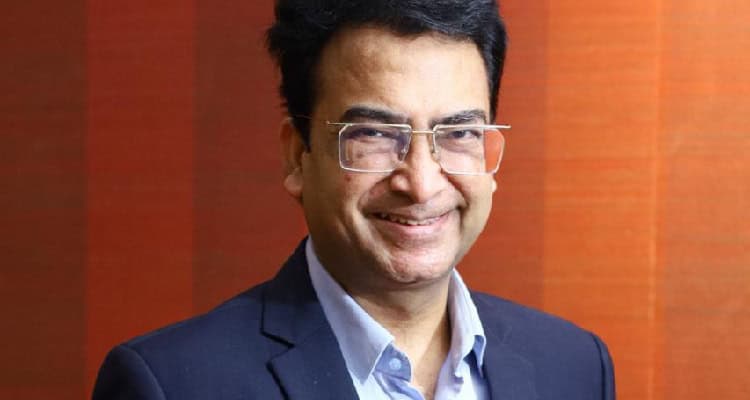
Dr Praveen Gupta, Chairman, Marengo Asia International Institute of Neuro and Spine (MAIINS), Marengo Asia Hospitals, discusses the emerging role of AI in epilepsy diagnosis and its potential to enable earlier identification of neurological risks


For decades, epilepsy has been diagnosed mostly after a person has a seizure. But advances in Artificial Intelligence (AI), machine learning and advanced brain-monitoring technologies are opening new possibilities in neurological diagnostics. There’s also increasing research into whether standard artificial intelligence can pick up subtle changes in brain activity and neurological markers that might indicate a greater risk of developing epilepsy, possibly even before a person’s first diagnosed seizure.
Although predicting epilepsy before the first seizure is not yet a clinical reality, emerging technologies are changing how neurologists investigate unexplained neurological symptoms, identify abnormalities and assess seizure-related risks.
Can AI detect epilepsy prior to the first seizure?
Traditionally the diagnosis of epilepsy is made from a detailed medical history, neurological examination, electroencephalogram (EEG), brain imaging such as MRI and in selected cases prolonged video-EEG monitoring. Diagnosis of epilepsy is typically a clinical diagnosis of two unprovoked seizures occurring more than 24 h apart, or one unprovoked seizure if investigations indicate a sufficiently high risk of recurrence.
But the diagnosis is not always clear-cut. A routine EEG may not show abnormal electrical activity, especially if the recording does not capture the relevant brain activity. Some patients may have subtle symptoms such as transient confusion, staring, unexplained sensory changes, or transient loss of awareness that may be missed or misdiagnosed as other conditions.
This is where the promise of AI-assisted neurological assessment lies.
The artificial intelligence can scan vast volumes of EEG recordings, MRI scans and clinical information to detect trends that might be difficult to spot using traditional assessment alone. Machine learning algorithms can detect abnormal electrical signals, identify potential biomarkers and assist in flagging people who may need further neurological investigation.
Researchers are also looking at whether combining genetic information, structural abnormalities of the brain, medical history and other neurological indicators may help to identify people who may be at an increased risk of developing epilepsy.
But it is important to distinguish between detection of seizures, prediction of seizures and prediction of development of epilepsy. Most of the existing AI research is based on seizure recognition, abnormal EEG pattern identification and seizure forecasting in people diagnosed with epilepsy. It is still an active area of research to try and predict who will develop epilepsy before their first seizure.
AI is revolutionising epilepsy diagnosis
EEG analysis by AI
One of the most important tests for diagnosing epilepsy is an EEG. Systems based on AI are able to read long EEG recordings, find abnormal electrical discharges and highlight suspicious patterns for neurologists to review. This could help reduce the time spent interpreting and help to identify abnormalities that might otherwise be overlooked.
Improved brain imaging
AI-assisted MRI analysis can help detect subtle structural abnormalities, including cortical malformations, scars and lesions that may be associated with epilepsy. Seeing these abnormalities can help with diagnosis and help the neurologist determine whether more specialised testing is needed.
Wearable devices and telemonitoring
Wearable devices that feature motion sensors, heart-rate monitors and other capabilities for monitoring physiological functions might help detect certain seizure-related events, particularly those with clear physical changes. Combined with AI-driven analytics, these devices could provide useful information about episodes occurring outside of clinical settings and aid doctors in understanding individual seizure patterns.
Does early detection improve patient outcomes?
If you have unexplained episodes or symptoms that could be seizures, getting an early neurologic assessment can make a huge difference. Identifying the underlying cause may help doctors distinguish between epileptic seizures and other medical conditions, such as fainting, sleep disorders and other neurological events.
If epilepsy is diagnosed and treated at the right time, it can be properly treated and counseled. This can help to reduce the risk of further seizures and the impact of seizures on education, employment, mental health and quality of life.
In patients with already diagnosed epilepsy, AI-assisted monitoring can be used to assess seizure frequency, to understand treatment response and to provide additional information to guide clinical decisions.
But AI-generated alerts should always be interpreted according to the patient’s symptoms, past medical history and clinical investigations. Accuracy in these systems can be impacted by false positives, incomplete data sets, and differences in individual brain activity. An algorithm detecting a weird pattern in someone’s EEG does not mean that the person is epileptic.
The future: AI won’t replace neurologists, but it will help them
The future of epilepsy diagnosis will probably be the result of close cooperation between neurologists, AI, advanced neuroimaging and the existing surveillance technologies. Such developments may help to better identify neurological abnormalities, reduce delays in diagnosis and allow for more tailored therapeutic approaches.
There is scientific promise in identifying people who are at risk of epilepsy before they have their first seizure, but this is not yet an established clinical reality. At present, artificial intelligence cannot reliably predict whether a person who has never been diagnosed with epilepsy will have a first seizure or develop epilepsy.
Ultimately, technology should be a supplement to, not a replacement for, a neurologist’s clinical judgment. The goal is not just to predict seizures, but to detect neurological risks earlier, to improve the accuracy of diagnosis and to make sure patients receive the right medical care at the right time.
For millions of people worldwide, epilepsy is diagnosed after one or more seizures have occurred. But advances in AI, machine learning and advanced brain-monitoring technologies are beginning to transform how neurological disorders are detected, assessed and managed. There is growing interest among researchers in whether AI can identify subtle patterns in brain activity that might indicate an elevated risk of epilepsy, potentially even before an individual experiences their first recognised seizure.
Traditionally, the diagnosis of epilepsy is made on the basis of a detailed medical history, a neurological examination, an electroencephalogram (EEG), brain imaging (e.g. MRI) and sometimes prolonged video-EEG monitoring. But it can be hard to detect epilepsy . The abnormal electrical activity in the brain may not always show up on a routine EEG . Some patients also have subtle symptoms that are missed or misdiagnosed as other medical conditions .
That’s where AI-driven technology could be a game changer.
Can AI predict epilepsy before first seizure occurred?
Artificial intelligence systems can study vast amounts of neurological data, including EEG recordings, brain scans, and clinical information, to detect trends that may be difficult for the human eye to see. Machine-learning algorithms can examine electrical signals in the brain and identify aberrant patterns and potential biomarkers that are associated with seizure activity.
Other researchers are investigating whether standard AI can help identify people at higher risk of developing epilepsy based on their genetic data, abnormalities in the brain and other neurological markers. Ultimately, this could help doctors to identify those at higher risk earlier and recommend appropriate investigations and monitoring.
However, it is important to understand that AI currently cannot reliably diagnose epilepsy or predict a person’s first seizure in the general population.” Most of the current research in AI is focused on identifying seizures, recognising abnormal EEG patterns and predicting seizures in people who already have epilepsy. Research into predicting who will develop epilepsy before their first seizure is evolving.
How AI is transforming neurological disorder diagnosis
Automated EEG analysis is one of the most promising applications of AI. Traditional EEG interpretation requires a great deal of expertise and time. AI-powered systems can process long recordings, detect unusual electrical patterns and flag sections that need more attention from neurologists.
Advanced neuroimaging is another emerging field. Algorithms using artificial intelligence can help to analyze MRI scans for subtle structural abnormalities, including the lesions associated with epilepsy that might otherwise be difficult to spot. These abilities can be particularly useful in patients with nonspecific symptoms or non-diagnostic initial investigations.
Wearable devices and remote monitoring technologies are also creating new opportunities for neurological care. Smart devices incorporating motion sensors, heart-rate monitoring and other physiological measurements can help in identifying seizure-related patterns and provide useful information about episodes occurring outside hospitals. Such information combined with AI-powered analysis in the future may help to facilitate more personalized neurological assessments.
Does early detection improve patient outcomes?
By detecting neurological abnormalities early, doctors can investigate unexplained episodes, distinguish epileptic seizures from other conditions and initiate appropriate treatment when a diagnosis is confirmed.
It may also reduce delays in diagnosis, which can impact patients’ education, employment, mental health and quality of life. For people with epilepsy, AI-powered monitoring could help doctors understand seizure patterns, track treatment response and make better-informed decisions.
AI alerts, however, should always be interpreted in conjunction with clinical findings. Accuracy can be affected by false positives, incomplete datasets and variation in individual brain activity. An algorithm detecting an unusual EEG pattern does not mean that a person has epilepsy.
The future: Technology enhancing neurologists, not replacing them
The future of diagnosing epilepsy will likely be a collaboration between neurologists, AI, advanced imaging and continuous brain monitoring. As research continues, these technologies could help detect neurological warning signs sooner and improve the accuracy of clinical decision making.
The idea of being able to detect epilepsy before the first seizure is tantalizing but not yet a clinical reality, scientifically. Therefore AI should be viewed as a powerful tool to support diagnosis, rather than replace medical expertise.
Ultimately, the goal is not only to be able to predict seizures but to identify neurological risks earlier, improve diagnostic accuracy and make sure that patients receive timely and appropriate care.
- Advertisement -
