

Medicover Hospitals launches advanced TMS Lab in Navi Mumbai for psychiatric and neurological conditions
The new TMS Lab will offer evidence-based, non-invasive brain stimulation for selected psychiatric conditions and neurological applications, including stroke rehabilitation, post-stroke speech and language disorders, and neuropathic pain

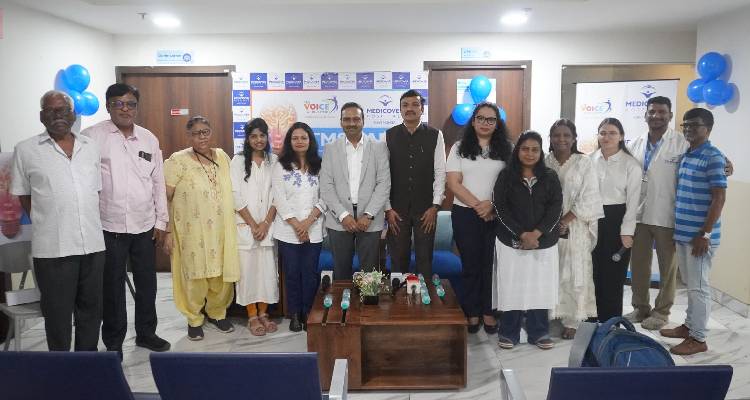

Medicover Hospitals, Navi Mumbai, has launched its Advanced Transcranial Magnetic Stimulation (TMS) Laboratory, expanding access to non-invasive brain stimulation therapy for patients with selected psychiatric and neurological conditions.
The facility will offer evidence-based TMS protocols for conditions including treatment-resistant depression, obsessive-compulsive disorder (OCD), anxious depression, post-traumatic stress disorder (PTSD), smoking cessation, and migraine, along with selected neurological applications where scientific evidence is evolving. These include stroke rehabilitation, post-stroke speech and language disorders, neuropathic pain, fibromyalgia, Parkinson’s disease, cerebellar ataxia, Alzheimer’s disease, and tinnitus.
TMS uses controlled magnetic pulses to stimulate specific areas of the brain. The treatment is non-invasive and does not require surgery or general anaesthesia. Depending on the condition and protocol, TMS may be used to influence brain circuits involved in mood regulation, cognition, movement, pain processing, and other neurological functions. Patients undergo a detailed clinical assessment before treatment, and the protocol is selected according to the individual’s condition and treatment goals.
The new facility will provide TMS for Major Depressive Disorder, Treatment-Resistant Depression, Obsessive-Compulsive Disorder, Anxious Depression, Post-Traumatic Stress Disorder, smoking cessation, and migraine, along with selected neurological applications such as stroke rehabilitation and post-stroke speech and language difficulties. Other neurological conditions, including neuropathic pain, fibromyalgia, Parkinson’s disease, cerebellar ataxia, Alzheimer’s disease and tinnitus, may be considered for appropriate patients based on clinical assessment and available evidence.
Dr Pawan Ojha, consultant neurologist and director of neurosciences, said, “TMS is an important non-invasive brain stimulation technique that has established applications in several psychiatric conditions and is also being studied and used in selected neurological conditions. Its ability to target specific areas of the brain makes it particularly relevant in conditions where brain circuits involved in mood, movement, speech, cognition, or pain may be affected. In neurological care, TMS can be considered an adjunct to standard treatment and rehabilitation in carefully selected patients. For example, after a stroke, appropriately designed stimulation protocols may support rehabilitation of motor function or speech and language abilities. However, TMS is not a replacement for conventional medical treatment or rehabilitation, and the choice of protocol must be based on the patient’s condition, clinical assessment, and the available scientific evidence.”
Dr Suranjana Basak, Consultant Neurologist, said, “The neurological applications of TMS are particularly relevant in rehabilitation, where recovery often requires repeated and specialised interventions. In selected patients following stroke, TMS may be used alongside physiotherapy, occupational therapy, and speech and language therapy. Similarly, research into TMS continues across conditions such as Parkinson’s disease, neuropathic pain, tinnitus, and other neurological disorders. The response can vary from patient to patient, making individual assessment and ongoing monitoring an important part of treatment.
For psychiatric conditions, TMS can provide an additional treatment option for patients who do not achieve adequate improvement with conventional approaches. The treatment is generally delivered through multiple sessions, with the number and frequency depending on the condition and selected protocol. Patients remain awake during the procedure and can generally return to their routine after a session.
Every patient responds differently, which is why treatment should be individualised after a comprehensive assessment. At the TMS Lab, patients will receive evaluation, treatment planning, and follow-up under trained healthcare professionals. The multidisciplinary approach aims to ensure that TMS is integrated appropriately with medication, psychotherapy, and rehabilitation wherever required.
Neeraj Lal, Regional Director for the Maharashtra and Karnataka Region at Medicover Hospitals, said, “The launch of the Advanced TMS Lab reflects our commitment to making innovative and evidence-based brain care more accessible to patients in Navi Mumbai and surrounding areas. By bringing psychiatric and neurological applications of TMS under one specialised facility, we aim to provide patients with additional treatment options while ensuring that every intervention is guided by clinical assessment and scientific evidence. Our focus remains on personalised care, experienced specialists, and technologies that can support better outcomes and quality of life.”
Sandip Joshi, Centre Head, Medicover Hospitals, Navi Mumbai, concluded, “At Medicover Hospitals, we continue to invest in specialised services and advanced technologies that address evolving healthcare needs. The TMS Lab is an important addition to our neuropsychiatric and neurological services, particularly because it brings together treatment and rehabilitation applications under one roof. While TMS is not suitable for every patient, appropriate selection and personalised protocols can make it a valuable addition to the treatment pathway for selected individuals. Through this facility, we hope to support patients not only in managing symptoms but also in improving their functioning and quality of life.”
- Advertisement -