

Point-of-care diagnostics: Clinical utility and implementation challenges
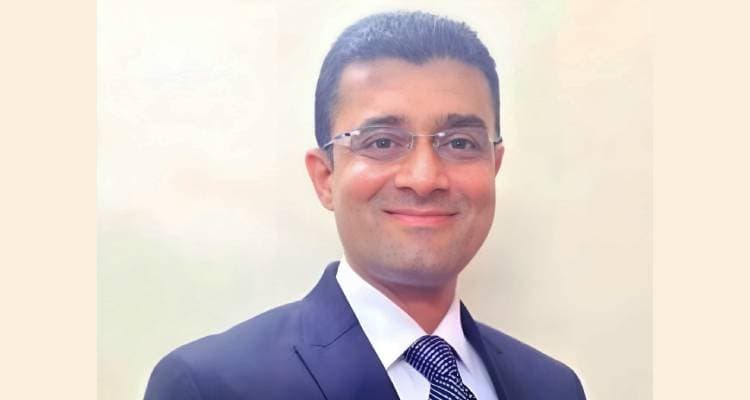
Ashissh Raichura, Founder and CEO, Scanbo Technologies, in an interview with Kalyani Sharma, discusses the role of point-of-care diagnostics in decentralising healthcare delivery, the use of real-world diagnostic data and AI in clinical decision-making, and the challenges of integrating these technologies into primary and preventive healthcare in India


Scanbo started with the challenge of accessing basic health parameters outside major hospitals. How do you see point-of-care diagnostics evolving in India, particularly in Tier 2 and Tier 3 cities and primary healthcare settings?
When we started Scanbo, our objective was to make basic health measurements more accessible to patients, particularly in places where diagnostic facilities may not be easily available. If someone visits a local clinic for a consultation, they should not have to travel to a large hospital every time the doctor needs to check certain health parameters.
That is the gap we are trying to address through point-of-care diagnostics. Our approach has been to bring multiple health measurements into a single device, allowing healthcare professionals to assess several parameters during the same consultation.
I believe this can be particularly useful in Tier 2 and Tier 3 cities, community clinics and primary healthcare centres, where having access to multiple diagnostic capabilities within one device can make a difference.
Going forward, I see a significant opportunity in making point-of-care diagnostics part of routine healthcare, particularly for monitoring chronic conditions and patients who require regular follow-up.
However, providing the device is only one part of the process. We also have to ensure that healthcare professionals are properly trained, supplies are available, technical support is reliable and the device fits into the clinic’s existing workflow. Unless these aspects are taken care of, it will be difficult to achieve sustained adoption.
Scanbo has built a large real-world diagnostic dataset through its point-of-care devices. How can such datasets improve clinical decision-making, and what are the key challenges in ensuring the data is accurate, representative and clinically useful?
I think the real value of diagnostic data lies in how effectively it can help doctors understand a patient’s health over time.
For instance, when a patient comes in for a consultation, the doctor may have access to the measurements taken during that visit. But if the doctor can also review previous readings and understand how different parameters have changed, it provides additional information that may be useful in assessing the patient’s condition.
This is where the data collected through point-of-care devices can become valuable. Our approach of measuring multiple health parameters during the same consultation can provide a broader picture, because doctors rarely make clinical decisions based on a single reading.
However, there are several things we need to get right. The first is the quality of the data itself. We have to ensure that measurements are taken correctly, devices are functioning reliably and the information is associated with the right patient. Consistent testing procedures, quality checks and comparisons with appropriate reference methods are also important.
The second issue is whether the data represents different patient populations adequately. If certain groups are underrepresented, we need to understand those limitations before using the information more broadly.
We also have to recognise that collecting large amounts of data does not automatically make it suitable for clinical decision-making. Any models developed using these records need proper validation, and their findings must be interpreted alongside the patient’s symptoms, medication and medical history.
For us, the responsibility is not limited to collecting information. It is also about understanding where that information can be used reliably, ensuring appropriate clinical validation and protecting patient data.
AI is increasingly being used for clinical decision support, particularly in areas such as ECG analysis. Where do you see AI adding the most value in routine clinical practice, and where should human clinical judgement remain central?
I see AI as something that can support doctors in their everyday work, particularly in areas where they spend considerable time reviewing information and preparing clinical records.
For example, a doctor may need to look at a patient’s previous measurements, compare them with current readings and review the medical history before making a decision. AI can help organise and present this information more efficiently. Where it has been clinically validated, it can also help identify certain findings that may require closer examination.
ECG analysis is one area where this can be useful. However, we have to be careful about what the technology is actually capable of doing.
A single-lead ECG, for instance, does not provide the same information as a diagnostic 12-lead ECG. The quality of the signal also matters. So, any AI-based interpretation has to remain within the capabilities of the recording and the purpose for which the system has been validated.
I believe this distinction is important because an AI-generated result cannot be considered independently of the patient’s overall condition. A doctor may interpret the same finding differently depending on the patient’s symptoms, examination and medical history.
That is why clinical judgement has to remain with the treating doctor. Our focus at Scanbo is on developing technology that can make relevant information easier to review and support clinicians in their decision-making.
The objective is to help doctors work more efficiently and have better information available to them, rather than replace their clinical judgement.
What are the biggest barriers to wider adoption of point-of-care diagnostic technologies in India?
I would say one of the biggest challenges is building trust among healthcare professionals.
When a doctor uses a diagnostic device, they need to be confident that the readings are reliable and that the device performs consistently for its intended purpose. This requires appropriate clinical validation, compliance with applicable regulatory requirements and a clear understanding of what the device can and cannot do.
The second challenge is making the technology practical for everyday use. A clinic may have the device, but it also needs trained staff, regular supplies and dependable technical support. If the device stops functioning and the clinic cannot get it serviced easily, it becomes difficult for healthcare professionals to depend on it.
There is also the question of how well the technology fits into existing clinical workflows. Doctors and healthcare workers already have several responsibilities. If using a device involves additional steps or repeatedly entering the same patient information, it can become an inconvenience rather than a useful tool.
Affordability is another important consideration. We have to look beyond the initial cost of the device and consider expenses such as consumables, maintenance and the time required from clinical staff.
These are some of the areas we are focusing on while building Scanbo. I believe wider adoption will depend on our ability to make point-of-care technologies clinically reliable, practical to operate and financially viable for the healthcare facilities using them.
As healthcare delivery becomes increasingly decentralised, how important will interoperability become? What gaps still need to be addressed?
Interoperability will become increasingly important as more healthcare services are delivered through smaller clinics and primary healthcare facilities.
Let us say a patient undergoes certain health measurements at a local clinic and is subsequently referred to another doctor. Ideally, the information collected during the first consultation should be available to the next healthcare professional, with the patient’s consent.
But making this possible involves more than simply transferring a report from one system to another.
The information has to be recorded in a way that other systems can understand and use correctly. This includes the measurement itself, the units, when it was taken and the relevant context. It is also important to distinguish between the original measurement and any interpretation generated by an AI system.
India’s Ayushman Bharat Digital Mission provides a framework for consent-based exchange of health information. However, making different healthcare systems work together consistently remains a challenge, particularly when we consider the varying technology infrastructure and resources available to smaller clinics.
Integration also has to be affordable and dependable. Otherwise, even if the technology is available, healthcare providers may find it difficult to use in routine practice.
For us, interoperability is an important part of making point-of-care diagnostics useful beyond a single consultation. We want the measurements collected through our devices to become part of the patient’s health record, so that doctors can review the relevant information without having to collect it manually from different applications.
Looking ahead, what will it take to move point-of-care diagnostics from being an additional screening tool to becoming an integral part of primary and preventive healthcare delivery in India?
I think the important change will be moving from simply conducting diagnostic measurements to making those measurements part of the patient’s ongoing care.
For example, if a patient undergoes a routine assessment and a particular reading is abnormal, the process should not end with generating a report. Someone needs to review the finding, determine whether further testing is required and ensure that the patient receives the appropriate referral or follow-up.
That is where point-of-care diagnostics can become more useful in primary and preventive healthcare.
To make this happen, healthcare providers need clear processes for reviewing results and deciding what should happen next. Manufacturers also have an important responsibility. We have to ensure that devices continue to function reliably, healthcare professionals receive proper training and the necessary supplies and maintenance support remain available.
There is also the question of how these services are funded. The cost of operating the equipment and maintaining the service has to be sustainable for the healthcare facility.
At Scanbo, our approach has been to bring multiple health measurements into a single workflow. The next step is to make sure that this information can be connected to clinical review and appropriate patient follow-up.
I believe point-of-care diagnostics have the potential to become a regular part of healthcare delivery in India, rather than something used only for additional screening.
Our ambition is to contribute to that development and help drive wider adoption. Ultimately, that will depend on how reliably the technology works for healthcare professionals and how useful it is for the patients they are treating.
- Advertisement -
