

The next frontier in valve care is what happens after surgery
On World Heart Day 2026, Dr Pradeep Ramakrishnan, Additional Director, Cardio Thoracic Vascular Surgery, Fortis Escorts Heart Institute, Okhla, highlights why valve care must extend beyond a successful procedure to include long-term follow-up, rehabilitation, lifestyle management and sustained patient support

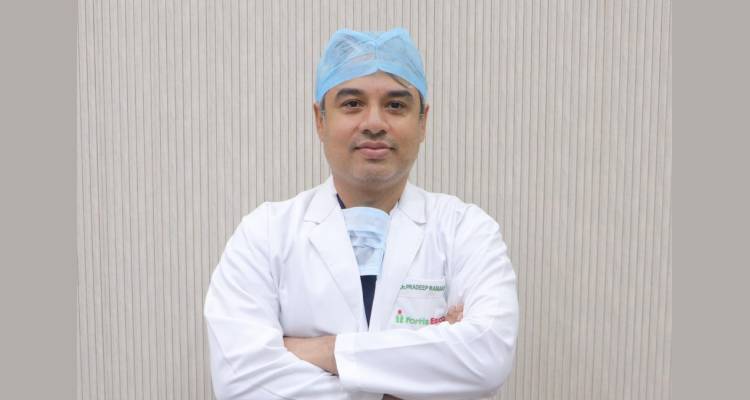

When we discuss heart valve disease, much of the focus is understandably placed on diagnosis, choosing the right treatment option, and performing a successful procedure. However, as a cardiologist, I believe that the true success of valve care is not defined only by what happens during the intervention it is defined by how well a patient recovers, adapts, and returns to a meaningful quality of life after treatment.
Over the years, advancements in cardiology have transformed the management of valvular heart disease. Procedures that once required extensive surgery can now be performed with greater precision, improved safety, and faster recovery in suitable patients. From advanced imaging techniques to minimally invasive and transcatheter approaches, we have entered an era where our ability to treat valve disorders has expanded significantly.
But the completion of a successful valve procedure is not the end of the patient’s journey. It is the beginning of a lifelong commitment towards maintaining heart health.
Beyond the procedure: The need for lifelong valve care
A valve replacement or repair addresses the structural problem within the heart, but the patient’s overall cardiovascular health requires continued attention. After a procedure, every patient enters a new phase of care that involves monitoring, rehabilitation, medication management, and lifestyle modification.
In my clinical practice, I have observed that patients often believe that once the procedure is completed and symptoms improve, their heart care is over. However, regular follow-up remains essential. Monitoring valve function, heart rhythm, blood pressure, heart muscle function, and other associated risk factors helps us identify potential concerns early and ensure timely management.
The goal is not merely to treat a valve problem but to help patients live longer, healthier, and more active lives.
The role of follow-up and personalised care
Every patient’s recovery journey is different. Factors such as age, overall health, type of valve disease, the procedure performed, and existing medical conditions influence long-term outcomes.
A personalised follow-up plan allows doctors to understand each patient’s progress and address concerns specific to their needs. Regular clinical assessments and imaging evaluations help us ensure that the treated valve continues to function effectively and that the heart is adapting well.
With advancements in digital healthcare, remote monitoring and technology-enabled follow-up are also becoming valuable tools in supporting patients beyond the hospital setting.
Rehabilitation: Restoring confidence along with health
One of the most important aspects of recovery after valve treatment is cardiac rehabilitation. Healing is not limited to the physical recovery of the heart; patients also need support to regain confidence and return to their daily routines.
Many patients experience anxiety after a major heart procedure. Questions about exercise, work, travel, and lifestyle changes are common. A structured rehabilitation programme provides guidance on safe physical activity, nutrition, emotional well-being, and prevention of future cardiovascular risks. A successful treatment outcome is not just about improved medical parameters; it is about helping patients return to the activities and relationships that matter to them.
Lifestyle: The foundation of long-term heart health
Even after a successful valve procedure, maintaining a heart-healthy lifestyle remains essential. The factors that contribute to cardiovascular disease including uncontrolled blood pressure, diabetes, obesity, smoking, poor dietary habits, and physical inactivity continue to influence overall heart health.
Patients should view their procedure as an opportunity for a healthier beginning. Regular exercise as advised by their healthcare team, a balanced diet, adequate sleep, stress management, and regular health checks are important parts of long-term care.
The role of the patient is as important as the role of the doctor. A partnership between both helps achieve the best possible outcomes.
A shift towards holistic valve care
The future of valve care is moving beyond procedures and technology. While innovation will continue to improve treatment options, the next significant advancement will come from providing comprehensive care before, during, and long after an intervention.
As physicians, our responsibility extends beyond performing a successful procedure. We must educate patients, address their concerns, support their recovery, and ensure that they continue to receive the care they need throughout their lives.
A patient is not defined by their valve disease or the procedure they undergo. They are individuals with families, aspirations, and goals. Our approach to care must always consider these aspects.
The road ahead
Heart valve treatment has made remarkable progress, offering hope and improved outcomes to millions of patients worldwide. However, the true measure of progress lies in ensuring that patients do not just survive a procedure but thrive afterwards.
On World Heart Day, it is important to remember that heart care does not stop after treatment. The journey continues through regular follow-up, healthy choices, and a strong partnership between patients and healthcare professionals.
The next frontier in valve care is not only about how we treat the heart it is about how we care for the person who carries it.
- Advertisement -
