

Why Indians wait for symptoms before taking healthcare seriously
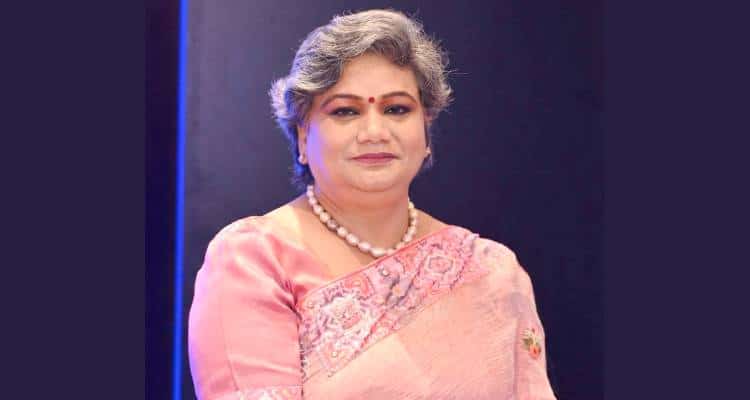
Dr Upasana Arora, MD, Yashoda Group of Hospitals, highlights why healthcare in India continues to be largely symptom-driven, the need to move beyond routine screening towards sustained preventive health management, and the role hospitals can play in encouraging early detection and timely intervention


India’s relationship with healthcare does not lack urgency; it lacks timing. When something feels wrong, the response is usually quick. A doctor is consulted, a test is booked and treatment begins without much hesitation. The willingness to act is not necessarily the problem; the gap lies in what happens before symptoms appear.
Risk factors are often postponed, routine evaluations are pushed back, and feeling well becomes, by default, a sign of being healthy. This creates a prevention gap: the distance between recognising a health risk and taking action. The issue is not simply a lack of awareness. It is also about how healthcare has traditionally been approached. For many, care begins with illness rather than with the possibility of preventing it.
Why symptoms have become our trigger for healthcare
Busy schedules absorb much of the blame, and a check-up that isn’t urgent rarely takes priority amid a full week of work and family demands. Preventive tests are still treated as optional, something to circle back to rather than something to plan around. There is also a quieter reason: a reluctance to look closely at a body that currently feels well, particularly when the answer may not be what we hope for.
This doesn’t indicate carelessness. It points to a healthcare culture where care begins when illness disrupts daily life, not before. That’s an individual choice rather than a shared default, shaped as much by circumstance.
The problem with waiting for symptoms
That default has a cost, and non-communicable diseases make it visible. Diabetes, hypertension and several cancers rarely announce themselves early. They progress quietly, sometimes for years, before symptoms become obvious enough to prompt a visit to a doctor. Nearly 50 per cent of people with diabetes in India remain undiagnosed, often until the condition has already moved further along than it needed to. What follows, then, is a more intensive, more disruptive intervention than early action would have required.
When identified earlier, many of these conditions can often be managed through relatively simple measures such as lifestyle changes, closer monitoring or timely medication. Symptoms are a signal that something needs attention, but they are not always an early warning system.
That distinction matters because prevention is ultimately about acting before a problem becomes disruptive. It is less about predicting exactly what will happen and more about identifying risks early enough to have meaningful choices.
The prevention gap is not the same as a screening gap
This is where preventive healthcare needs a broader definition. Screening is an important starting point, but a health check-up by itself does not close the prevention gap. A person can complete a full health check-up, receive a reassuring report and change nothing about how they manage their health afterwards. Screening is where prevention begins; it is not where prevention ends.
Comprehensive health check-up programmes can help identify potential health risks at an earlier stage, with assessments structured around factors such as age, gender and individual risk profiles. The availability of basic as well as more advanced health packages also allows preventive assessments to be aligned with different healthcare needs rather than treating every individual in the same way.
The report should not be the destination. It should be the beginning of a conversation about what the findings mean and what action, if any, should follow.
This is where a more integrated approach to preventive healthcare becomes valuable. A health assessment can bring together relevant diagnostic tests, clinical evaluation and, where required, specialist consultation. The objective is not simply to generate more reports, but to make those reports useful in deciding what happens next.
Healthcare providers need to change the conversation too
The responsibility for closing the prevention gap does not rest entirely with individuals. Healthcare providers also have a role to play in making prevention easier to understand, access and act upon. This means moving beyond the once-a-year check-up model towards a more continuous approach to health management.
Healthcare providers can make prevention more accessible by offering health assessments across different levels of need, from basic evaluations to more comprehensive packages. When these are structured around age, gender and individual risk factors, preventive care becomes less of a generic checklist and more relevant to the individual.
This also changes the role of hospitals. They are not only places people visit when they are unwell. They can become part of a more continuous approach to health management, helping people understand their risks and take action before a condition becomes harder to manage.
Conclusion
Healthcare should not begin only when symptoms become impossible to ignore. India has already made visible progress on the preventive front through wider screening access, expanding community health infrastructure and a growing institutional focus on early detection. The challenge, therefore, is not simply to increase the number of health checks, but to ensure that early identification leads to meaningful action.
A stronger preventive culture would make healthcare less reactive and more deliberate. It would recognise that good health is not merely the absence of symptoms, but an ongoing process of understanding risk, monitoring change and acting early.
- Advertisement -
