

NHM MP, Sanofi sign MoU to strengthen public health services in Madhya Pradesh
Signed by Dr Saloni Sidana (IAS), Mission Director, National Health Mission, Madhya Pradesh and Deepak Arora, Managing Director, Sanofi India Limited, this initiative is based on collaboration across various key areas aimed at improving the accessibility and quality of healthcare services in Madhya Pradesh

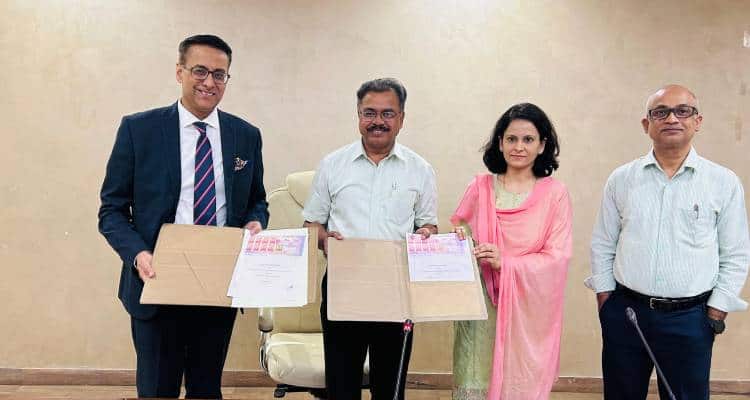

The National Health Mission Madhya Pradesh (NHM, MP) signed a Memorandum of Understanding (MoU) with Sanofi (India) to strengthen public health services within the state. The objective of this partnership is to raise awareness regarding Non-Communicable Diseases (NCDs) such as diabetes to encourage early detection and treatment, and to provide support to people living with rare diseases.
Signed by Dr Saloni Sidana (IAS), Mission Director, National Health Mission, Madhya Pradesh and Deepak Arora, Managing Director, Sanofi India Limited, this initiative is based on collaboration across various key areas aimed at improving the accessibility and quality of healthcare services in Madhya Pradesh. Under this agreement, work will be undertaken in the following key areas:
Rare diseases: This partnership will strengthen the infrastructure for diagnosis and treatment of rare diseases. This includes training for healthcare professionals, improving early detection through advanced technologies, and arranging for free screening for selected rare diseases at designated institutions.
Diabetes and NCD awareness: Early risk identification, awareness campaigns, and referral services for diabetes and other non-communicable diseases will be conducted. Technical support will be provided across the entire state to facilitate this effort.
School health program: Through programs such as “Kids and Diabetes in Schools (KiDS),” students, teachers, and parents/guardians will be sensitised on healthy lifestyles and disease prevention.
Capacity building: Structured training programs and technical sessions will be organised to facilitate the training and skill enhancement of doctors, nurses, paramedical staff, and community health workers.
• Mobile Medical Units (MMUs): Mobile Medical Units will be deployed in selected districts—Singrauli, Balaghat, and Anuppur—to extend healthcare services to underserved communities. These units will provide free screening and treatment for conditions such as diabetes, hypertension, and oral cancer. Each unit will be staffed by trained healthcare professionals and will also provide tele-consultation facilities with doctors. Initially, this service will be launched in the districts of Singrauli, Balaghat, and Anuppur, and will subsequently be expanded to other districts on a need basis.
Speaking on this occasion, Dr Sidana stated that this initiative would strengthen access to healthcare services across the state, particularly in remote and underserved regions. Through Mobile Medical Units, people will have access to free diagnostics, treatment, and tele-consultations with doctors within their own localities. She noted that awareness campaigns, early risk detection, and referral services for diabetes and other NCDs would be bolstered. Furthermore, mechanisms for early detection, free screening, and improved treatment of rare diseases will be developed to ensure that patients receive timely and appropriate care. She further emphasised that imparting accurate information regarding health, nutrition, and lifestyle to children at the school level is of paramount importance; for children not only adopt healthy habits themselves but also spread awareness within their families and communities.
Arora highlighted the critical need for the early detection of rising NCDs in India. He affirmed that Sanofi remains committed to such partnerships to empower the healthcare system and ensure better health outcomes for patients.
- Advertisement -