

The new skill set Indian physicians need for global mobility
Dr Amritaa Thalla, Neurologist explains that global readiness for Indian physicians requires more than clinical expertise and licensing, emphasising communication, teamwork, cultural adaptability and patient-centred care to succeed in international healthcare systems.

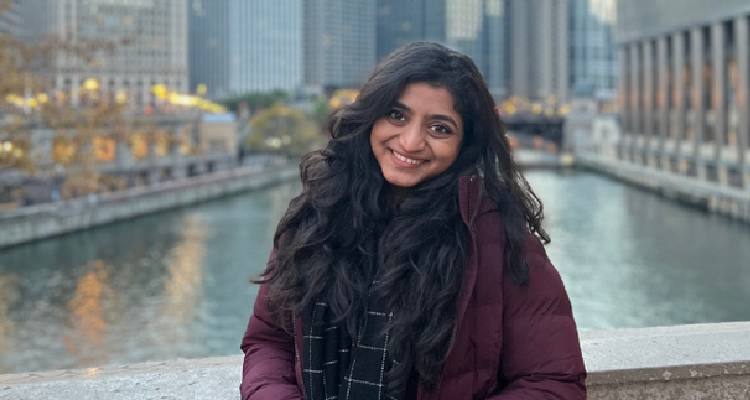

Having trained in India and experienced the healthcare systems within the United Arab Emirates and the United States, I have come to realise that becoming a globally competent physician involves much more than clearing licensing examinations or meeting the minimum clinical requirements of a new country.
Although these requirements are fundamental, clinical competence, interpersonal skills and sound judgement will always remain at the core of the medical profession. As healthcare becomes increasingly interconnected, I believe we need to broaden our understanding of what it means to be “ready” for international practice.
For millennia, physicians have been expected to possess the clinical knowledge needed to diagnose and treat patients. Today, communicating a diagnosis clearly and effectively to patients from different cultural backgrounds represents an exciting new frontier in global medical practice. Can physicians work with a multidisciplinary team? Can they adapt to a new healthcare system with different documentation practices, workflows and expectations? Can they build trust with patients whose expectations actively influence their healthcare outcomes?
These questions are becoming increasingly important for Indian physicians considering international careers.
The transition is bigger than changing countries
When physicians think about global mobility, the focus naturally tends to be on examinations, licensing and qualifications. What is not discussed enough is the real transition which begins after these milestones, when a physician must integrate into an unfamiliar healthcare environment.
One of the biggest lessons I have learned from experiencing different healthcare systems is that medicine can be practised differently even when the underlying science remains the same.
Healthcare systems have their own workflows, documentation standards, communication styles and professional cultures. Patient expectations can vary considerably across cultures, such as between Western culture’s implicit norm of patient autonomy and the East’s emphasis on shared decision-making within more tight-knit communities. Adaptability is not optional but fundamental to cultivating a sustainable clinical practice in a new setting.
I have found clinical rotations and shadowing opportunities particularly valuable. They allow physicians to observe these cultural nuances before assuming independent clinical responsibility. They provide insight into how multidisciplinary teams of nurses, pharmacists, residents, physicians and social workers work as equal partners, and how physicians communicate with patients to reach clinical decisions within a healthcare system.
There is also value in engaging with the culture outside the hospital. Everyday conversations, local media, podcasts, movies, television series and community engagement can help physicians better understand unfamiliar accents, expressions and cultural norms.
Above all, entering a new healthcare environment requires humility. We do not need to know everything on day one. We need to be willing to ask questions, accept feedback and learn.
The three skills I believe matter most
If I had to identify three professional skills that are becoming indispensable for physicians seeking international opportunities, they would be interpersonal skills, teamwork and adaptability.
Modern healthcare is rarely delivered by one professional working in isolation. Physicians collaborate with nurses, pharmacists, therapists, social workers and other caregivers. Clear, transparent communication across disciplines is associated with improved patient safety and satisfaction.
Communication is clinical practice
I have always viewed communication as an integral part of medicine rather than a skill that sits separately from clinical expertise.
Every diagnosis begins with a conversation. Every treatment plan requires a patient to understand what is being recommended. Every successful physician-patient relationship depends on trust.
Effective communication is not simply about speaking clearly. It involves active listening, recognising a patient’s concerns and making them feel heard. It means explaining complex medical information in simple language while ensuring that patients are involved in decisions about their care, irrespective of their educational background, race, gender, age or other differences.
Patients today have access to more medical information than ever before. Many arrive at consultations with an online or AI-based search to understand their symptoms, differential diagnoses and treatment options.
For physicians, this changes the nature of the consultation. We increasingly need to guide patients through information, address their concerns, explain uncertainty and support informed decision-making.
The same applies within clinical teams. In high-volume healthcare environments, clear communication between physicians, nurses and allied health professionals can improve coordination and help reduce errors.
For a physician moving internationally, communication is not simply about being comfortable speaking English. It is about being able to communicate as a healthcare professional: a leader, team player, counsellor and subject-matter expert.
This distinction is important when physicians prepare for international practice.
Preparing for healthcare-specific communication
Communicating in a clinical setting differs from everyday life. A physician interviews patients to elicit a history, gives instructions for a physical examination, explains the investigations they advise to arrive at a working diagnosis, provides instructions for management in highly specific and individualised ways, while also professionally communicating with other healthcare providers.
This is where healthcare-specific communication preparation can play a role. During my preparation for international practice, I found the focus of the OET Test relevant because it is built around situations healthcare professionals actually encounter.
The multifaceted nature of patient interactions, referral letters and professional communication makes language learning clinically relevant rather than an isolated exercise.
I also believe the value of this preparation extends beyond the assessment itself. Greater confidence in patient-centred consultations, together with an emphasis on empathy, clarity and professionalism, remains valuable throughout a physician’s career.
For globally mobile physicians, the objective should therefore not simply be to demonstrate language proficiency. It should be to develop the confidence to communicate effectively in real clinical situations.
What should the next generation of Indian physicians prepare for?
India already produces physicians who are internationally well recognised for their strong clinical skills. The Indian medical education system exposes students to diverse patient populations and a wide range of clinical situations in high-pressure, high-volume and often resource-limited settings. We should continue to build on these strengths. At the same time, I believe medical education in India has the potential to place a greater emphasis on practical interpersonal skills, leadership, interdisciplinary teamwork and evidence-based medicine alongside traditional clinical training.
Greater access to cross-border research, global medical electives and academic collaboration can greatly help young physicians understand how healthcare is approached globally. This becomes significant as healthcare enters an era shaped by globalisation, artificial intelligence and unprecedented access to medical information.
Technology may have changed how information is accessed, but it has not eliminated the need for human interaction and multidimensional subject expertise. If anything, it makes the ability to communicate, demonstrate empathy and build trust even more important in creating a shared path to healing. Patients may have more information at their fingertips than ever before; nevertheless, they will still need physicians who can help them interpret what that information means for their individual circumstances.
Global mobility should be about more than mobility
Indian physicians should view international opportunities not simply as pathways to practise in other countries, but as opportunities to contribute to healthcare systems while bringing the strengths of Indian medical training with them in an increasingly interconnected world.
The physicians who thrive internationally may not necessarily be those with the greatest clinical knowledge, but rather those who can combine clinical competence with communication, collaboration and adaptability.
I am humbled that my clinical curiosity across different healthcare environments has granted me clinical experiences in the United States, the United Arab Emirates and India, with exposure to patients from six of the seven continents. This has reinforced my belief that global readiness is ultimately about integration: understanding a new healthcare system, learning from different professional cultures and, above all, continuing to provide safe, compassionate and patient-centred care.
Indian physicians already have a strong clinical foundation to take to the world. The next step is to ensure that they develop a broader soft skill set needed to translate that expertise effectively across borders. That, in my view, is what the globally mobile physician will look like in the days to come.
- Advertisement -
