

From reaction to prevention: Rethinking dengue control in urban India
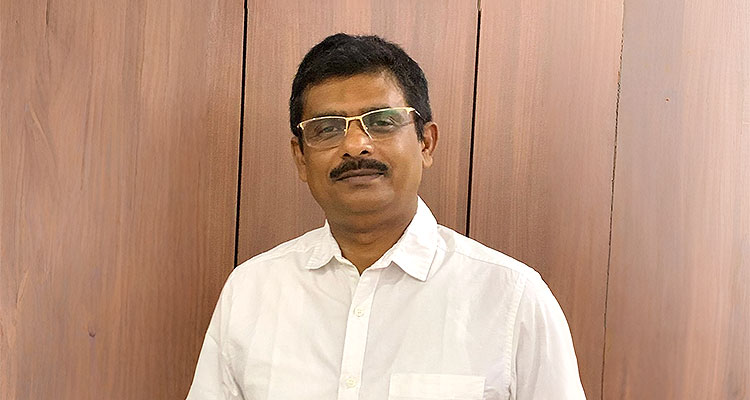
Subrata Pal, Head – Fumigant Business & Public Health Business, UPL SAS, highlights why India must shift from seasonal dengue response to sustained prevention through integrated vector management, environmental action and community participation


India’s public health landscape has evolved significantly over the years. Today, much greater emphasis is placed on preparing for health risks rather than merely reacting to them. However, efforts against vector-borne diseases like dengue and fever continues to be inconsistent with this idea prevention efforts tend to be spontaneous and responsive rather than continuing and preventative.
Globally, mosquito-borne diseases kill more than one million people and infect up to 700 million each. Dengue has become hyper-endemic in the country. According to the report by National Center for Vector Borne Diseases Control (NCVBDC), as of September 17, 2023, 94,198 cases of dengue infection were reported in India.
Mosquito breeding risks are rising each year, driven by climate change impacts and increasing urban density, which together are disrupting rainfall patterns and intensifying flooding. Despite increased awareness and coordinated mosquito control by public health agencies, prevention often focuses on peak transmission seasons. This raises an important question: can dengue prevention become less reactive and more preventive?
Moving the conversation upstream
Dengue management has traditionally focused on reducing adult mosquito populations once they become visible or disease incidence begins to rise. While these interventions continue to play an important role, increasing attention is being directed towards addressing the challenge earlier in the vector life cycle. This approach recognises a critical reality: stopping mosquito breeding early offers a more effective and sustainable defence against disease transmission.
Today’s urban environment presents multiple conditions that support mosquito proliferation. Stagnant water in construction zones, rooftops, coolers, household containers, drains and neglected community spaces quickly become breeding habitats. These factors, combined with increasing population density and changing environmental conditions, highlight the need for earlier and more consistent intervention.
From outbreak response to preventive action
Building a stronger resilience against dengue requires multi-pronged approach. With changes occurring in the way that the disease spreads, there are increasing dependencies on environmental management, collective public awareness and innovation through science to assist in the prevention of dengue.
Effective prevention is becoming more dependent on the collaboration of scientific innovation, environmental management, and public awareness as disease patterns continue to change. This logic has also influenced a shift to more integrated vector management solutions that are focused not only on addressing outbreaks but also on the mitigation of risk at its source.
Beyond traditional prevention methods, there is a growing emphasis on new strategies to reduce mosquito populations earlier in their development cycle. Examples include naturally derived active ingredients from fermentation-based methods and a broader trend towards more targeted public health practices. However, creating lasting impact requires more than just innovation; it needs responsible water management practices and continued public participation to build healthier communities.
Cleaner surroundings remain the first line of defence
In addition to scientific innovation that is creating new ways to prevent disease, our daily actions are equally important. Routine activities, whether it’s cleaning up stagnant water, improving storage of drinking water, improving waste management, or routinely inspecting public places are part of the foundation of effective dengue control. The shared spaces we all use – our residential communities, schools, workplaces, governments and homes – all have a role in limiting the factors that allow mosquitoes to breed.
Shifting from seasonal prevention to an ongoing public health effort, driven by awareness, accountability and daily habits, can help build a healthier environment.
Building cities that prevent, not simply respond
As India continues to grow and develop, there is a need to rethink how we design and maintain cleaner, healthier urban environments through a stronger public health lens, particularly in the context of dengue prevention.
Achieving long-term risk reduction will require us to move beyond reactive outbreak control to a more proactive, sustainable approach. This includes creating cleaner environments and fostering community stewardship to ensure ongoing efforts to eliminate mosquito breeding grounds. Ultimately, success will not be determined only by how effectively we respond to dengue outbreaks, but by how consistently and comprehensively we remove the conditions that enable mosquitoes to thrive.
We must create cities that prevent rather than respond. This requires making prevention part of our daily habits through the lens of increased awareness, shared responsibility and the consistent actions of all citizens.
- Advertisement -
