

Health security as economic security for India
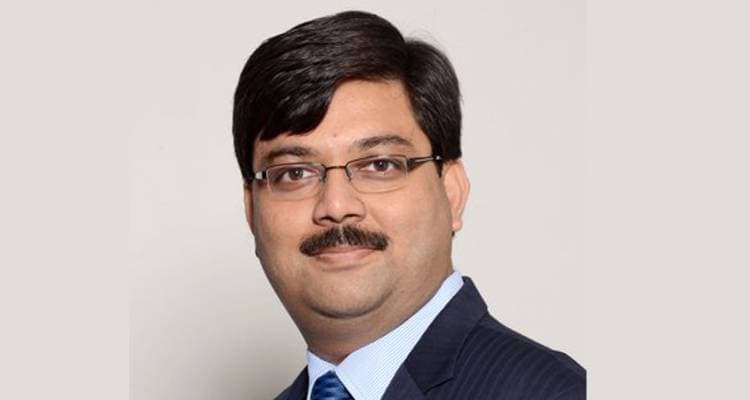
Rakesh Jain, CEO, IndusInd General Insurance, explores how changing healthcare needs, expanding insurance adoption, and a stronger focus on preventive care are reshaping the way Indians approach health security across urban and rural markets alike


Healthcare in India is undergoing a meaningful shift in how it is perceived and experienced not just in metropolitan centres, but equally across Tier 2 and Tier 3 cities, rural regions, and aspirational districts that together form the backbone of the country’s demographic and economic fabric. Health is no longer an episodic concern addressed only during moments of illness. It is increasingly understood as a continuous journey encompassing prevention, early diagnosis, treatment, recovery, and long term disease management.
This evolution, however, brings with it a critical financial dimension. Healthcare costs in India continue to rise at a pace significantly higher than general inflation. Medical costs are estimated to be increasing at around 14 per cent annually. India’s total health expenditure stood at Rs 9.04 lakh crore, or 3.8 per cent of GDP, reflecting growing investment in healthcare, yet affordability remains a concern for households (Economic Survey 2024–25; PIB). Despite notable progress over the past decade, out of pocket expenditure still accounts for approximately 39–44 per cent of total health spending, underscoring the financial vulnerability many families face in the event of illness (Economic Survey 2024–25; World Bank).
The pressure is amplified by India’s shifting disease burden. Non communicable diseases now account for nearly 66 per cent of all deaths in the country, driven by rising incidence of diabetes, cardiovascular ailments, hypertension, and chronic respiratory conditions (MoHFW; India Data Insights). Importantly, these are no longer ailments of older age alone. Lifestyle related conditions are increasingly affecting individuals in the 30–50 age group, often during their most productive working years. With treatment pathways becoming longer and more complex, healthcare today frequently extends well beyond hospitalisation to include diagnostics, rehabilitation, long term medication, and ongoing monitoring.
These challenges are particularly acute outside India’s largest cities. Over 65 per cent of India’s population resides in Tier 2 and Tier 3 cities and rural areas, where healthcare aspirations have risen sharply but access to quality infrastructure, specialist care and organised healthcare networks remains uneven. Smaller towns often depend heavily on private hospitals for secondary and tertiary care, leading to higher out of pocket spending when local facilities are limited. While telemedicine platforms such as eSanjeevani, now the world’s largest government led telemedicine programme have crossed 200 million consultations, and public schemes have expanded reach, financial protection beyond government coverage remains insufficient for a large segment of households (MoHFW; PIB).
In this context, the role of health insurance has evolved meaningfully. Health insurance in India is no longer about hospital bill reimbursement; it has become a critical enabler of timely and appropriate care across the healthcare lifecycle. The sector itself reflects this growing importance. Health insurance premiums crossed Rs 1.17 lakh crore in FY25, growing at nearly 9 per cent annually, indicating rising awareness and adoption (IRDAI; Government of India, March 2026). Claims settlement efficiency has also improved, with the industry achieving a claim paid ratio of 87.5 per cent in FY25, aided by regulatory measures to streamline cashless approvals and reduce delays (IRDAI).
At the same time, insurers are responding to changing consumption patterns with more comprehensive, customer centric offerings higher coverage limits, fewer sub limits, restoration benefits, and coverage beyond hospitalisation. Increasing integration of preventive care, wellness programmes and digital health tools reflects recognition that early intervention is essential to managing long term healthcare costs, particularly for chronic conditions.
For individuals and families, this transformation necessitates a shift in mindset. Health can no longer be treated as an occasional concern addressed only during emergencies.
Preventive health practices, regular screenings, and financial preparedness through adequate insurance must become integral to long term planning, especially in Tier 2, Tier 3, and rural India, where healthcare access is improving but financial resilience often lags.
Ultimately, health security is not only a healthcare imperative but an economic one. A healthier population is more productive, resilient, and better equipped to support India’s growth ambitions. The conversation must move beyond access alone to building awareness, strengthening prevention, and ensuring financial preparedness, so that individuals across metros, smaller cities and rural India are better equipped to navigate the realities of modern healthcare, both medically and financially.
- Advertisement -