

Making quality healthcare more accessible beyond big cities through digital solutions
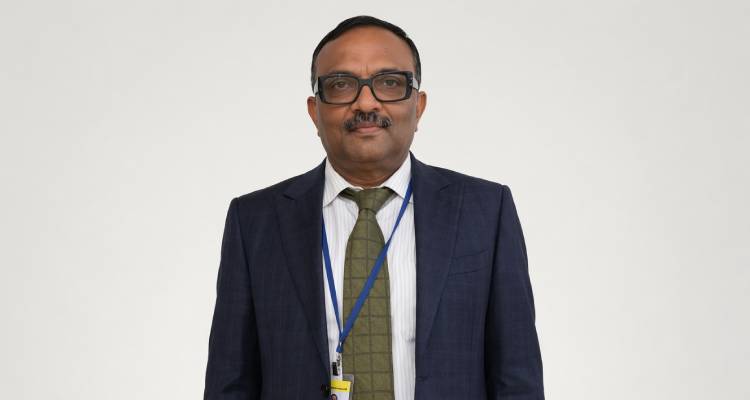
Debjit Patra, Founder & Chairman, MediElaj, explains how initiatives such as the Ayushman Bharat Digital Mission, teleconsultation platforms, AI-enabled diagnostics and connected healthcare tools are making quality medical care more accessible beyond urban centres, bringing India closer to a future where a patient's location no longer determines the care they receive


For years, the map of Indian healthcare was defined by a sharp divide. On one side were the gleaming medical hubs of Tier 1 cities, packed with specialists and high-end tech. On the other side were the vast stretches of Tier 2 and Tier 3 towns, where getting quality care often meant a long, expensive journey to a major highway. This gap was not just a logistical problem; it was a silent barrier to the nation’s growth. But a quiet change is happening now, one that does not rely on building more hospitals but on a digital architecture that is erasing the distance between a patient and a world-class diagnosis. This transformation is subtle but powerful. It begins with a fundamental change in perspective: perceiving healthcare as a service that delivers support to the patient rather than a location the patient is required to visit. While the shortage of doctors in remote areas is a real challenge, the “Digital India” framework is providing ways to work around those old barriers. The first layers of this solution are already appearing, but as the integration of data and connectivity goes deeper, a more promising picture emerges, one where a person’s location no longer dictates the quality of care they receive.
The digital nerve centre: Integration as a logic
At the heart of this shift is the Ayushman Bharat Digital Mission (ABDM). By building a digital highway for health data, this initiative is tackling the age-old problem of scattered medical records. In the past, someone travelling from a small village to a city for treatment would often arrive without their medical history, leading to repeated tests and lost time. Now, the Ayushman Bharat Health Account (ABHA) makes sure a patient’s medical history is accessible right when they need it, regardless of where they are seeking help. The scale of this effort is massive. According to data from the Ministry of Health and Family Welfare (MoHFW), more than 67 crore ABHA accounts have been established as of late 2024. This is not just a list of names; it is a foundation for better clinical decisions. When a doctor in a district hospital can instantly see the history of a patient from a remote area through a secure portal, the entire system becomes more efficient, lowering costs and improving results in the places that need it most.
Tele-consultation: Closing the specialist gap
If data is the backbone of this movement, teleconsultation is the pulse. The biggest hurdle in non-metro regions has always been the “last mile” gap for specialists. While local clinics are common, experts like cardiologists or neurologists stay mostly in big cities. Digital solutions are changing that by acting as a force multiplier. Through video links and real-time data, the skills of a city consultant can now reach a bedside hundreds of miles away. The success of this approach is clear in the eSanjeevani platform. According to data from the Press Information Bureau (PIB), more than 41.14 crore teleconsultations have been successfully conducted through eSanjeevani and Ayushman Arogya Mandirs (AAM). These statistics represent a significant reduction in travel time and highlight many early diagnoses that might have otherwise been missed. By incorporating digital solutions into local health centres, the government is making certain that healthcare access is not constrained by geographical barriers.
Smart diagnostics in Tier 2 landscapes
Video calls are now the norm, but the next step is AI and automated tools. AI tools are beginning to help in areas where there are not enough doctors, sorting cases and finding problems in X-rays or lab reports. This means that a doctor’s limited time can be used for the most urgent patients, while routine checks are done with high accuracy by digital systems. Portable diagnostic kits that sync with digital health lockers are also moving the “lab” out of the city. Small portable kits perform blood tests, ECGs, and even basic ultrasounds and send the results to a doctor hundreds of miles away. This “lab in a box” model, made possible by the rollout of 5G in rural areas, extends a high-quality medical environment beyond the walls of large hospitals. This blend of mobile hardware and smart software will likely define the next decade for India’s emerging cities.
Empowering the patient ecosystem
The final piece of this journey toward accessibility is about the people themselves. Digital health tools are moving directly into the hands of patients. Mobile apps for booking appointments, tracking medicine, or managing long-term conditions are creating a culture of staying ahead of health issues in places that used to only react to emergencies. The same digital comfort people found with UPI and other apps is now being used to improve health literacy.
As this “invisible grid” grows, the line between “metro” and “non-metro” healthcare will continue to fade. The goal is a system where the care someone receives is based on what they need, not their zip code. Through data, teleconsultation, and remote tools, the idea of fair healthcare for everyone is moving from a government plan to a daily reality for millions of people across India.
- Advertisement -
