

Robotic surgery is changing minimally invasive procedures through greater precision
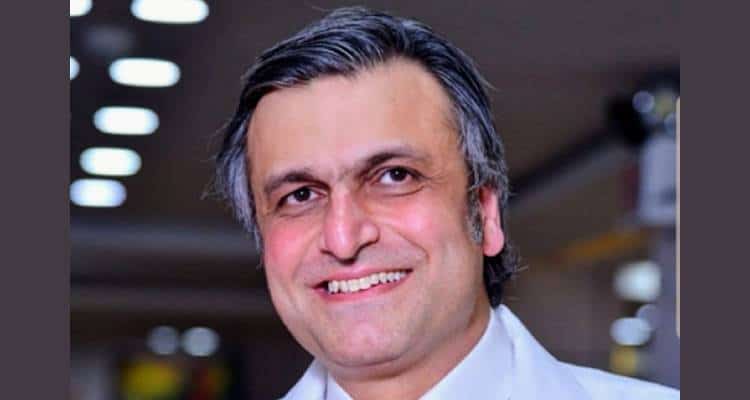
Dr Ashish Gautam, Principal Director-Robotic and Laparoscopic Surgery, Max Super Speciality Hospital, Patparganj, New Delhi, in an interview with Express Healthcare discusses the role of robotic surgery in minimally invasive procedures, its clinical applications and why surgical expertise remains central to patient outcomes


Robotic surgery is often described as the future of surgery. What does it actually mean for patients?
Robotic surgery is essentially minimally invasive surgery performed with the assistance of a robotic system that is completely controlled by the surgeon. The robot does not operate independently.
The technology provides enhanced three-dimensional visualisation and highly articulated instruments, allowing the surgeon to perform precise movements within confined anatomical spaces. For patients, the potential benefits depend on the procedure and individual circumstances, but minimally invasive approaches can mean smaller incisions, less tissue trauma and a potentially faster recovery.
There is also a lot of confusion around robotic surgery. What is the biggest myth?
The biggest misconception is that the robot performs the surgery. It does not. Every movement is controlled by the surgeon.
Another misconception is that robotic surgery is simply an automated procedure. Robotic surgery offers significant advantages in terms of precision, visualisation and instrument control, particularly for complex procedures. The surgeon still needs to assess the patient’s condition, the complexity of the procedure and determine the most appropriate robotic approach to achieve the best possible surgical outcome.
You have used all three robotic platforms currently available in India. How has robotics changed your approach to surgery?
Using all the major robotic platforms available in India has given me extensive experience with robotic surgery across different procedures and clinical situations. The focus, however, remains on understanding where robotic surgery can provide the greatest surgical advantage.
Robotic technology is an extension of surgical expertise. A surgeon still needs a strong understanding of anatomy, sound laparoscopic and open surgical principles, and the judgement to decide when robotic surgery is appropriate. The technology can enhance precision and control, but it does not replace surgical expertise.
Where do you see the greatest potential for robotic surgery?
The potential is particularly significant in procedures that require precision and access to difficult anatomical areas. We are seeing increasing applications in colorectal, gastrointestinal, bariatric and complex hernia surgery, along with a growing role in robotic hepatobiliary surgery. Hepatobiliary surgery is an important area, with gallstone disease accounting for a significant volume of procedures.
In robotic hernia surgery, the technology offers significant advantages across different types of hernia procedures. Greater precision, enhanced visualisation and improved instrument control can help surgeons manage complex cases and perform technically demanding procedures with greater control.
Robotic surgery is also becoming increasingly feasible in acute care surgery with advancements in technology and surgical systems. As these developments continue, the application of robotics in emergency and acute surgical procedures is also expanding.
Bariatric surgery has been another major area of your work. How is robotics influencing it?
Bariatric surgery has been my area of work for nearly three decades, and I have been involved in establishing advanced bariatric surgery in Western Uttar Pradesh and parts of North India. The field has evolved considerably, and robotic technology is taking it further by providing greater precision and control in bariatric procedures.
The potential of robotic surgery in bariatric procedures lies in its ability to make complex surgical steps more precise and controlled. As robotic systems continue to advance, their role in bariatric surgery is also likely to expand.
What changes do you expect to see in robotic surgery over the next few years?
The technology will continue to evolve. We will see improvements in imaging, instrumentation, surgical planning and the use of data and artificial intelligence to support clinical decision-making.
Robotic surgery is moving towards increasingly advanced systems that can offer greater precision, control and surgical capability. The objective should be to use these advances to improve the quality of surgery and provide patients with the most appropriate treatment for their condition.
What should patients keep in mind when considering robotic surgery?
Patients should first understand their condition and the different treatment options available to them. Robotic surgery can offer significant advantages, particularly in procedures where greater precision, visualisation and access are required.
The important factors remain the indication for surgery, the experience of the surgical team, appropriate patient selection and patient safety. The technology provides sophisticated tools, but the outcome still depends on the surgeon’s knowledge, experience and judgement, along with choosing the right procedure for the right patient.
- Advertisement -