

Trauma-informed approach is preventive and not reactive in nature
In an interview with Kalyani Sharma,Dr Nishtha Lamba, Mental Health Researcher, Professor, and Author of the book 'Trauma Nation' discusses the often-overlooked psychological burden carried by healthcare professionals, the intersection of burnout and unprocessed trauma, and the urgent need for trauma-informed healthcare workplaces

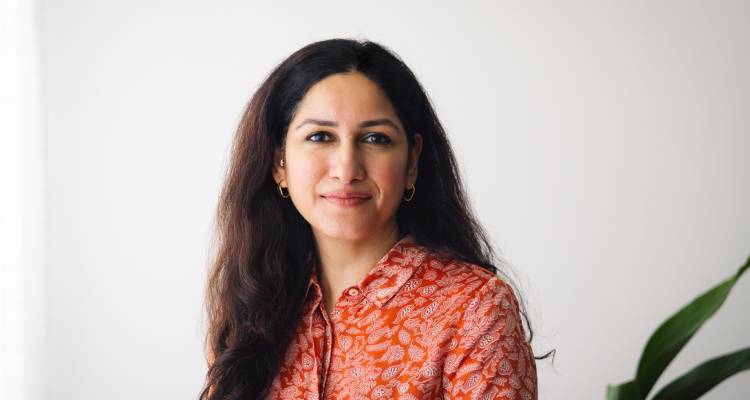

Dr Lamba brings an India-centric perspective to understanding trauma and its far-reaching impact on individuals, communities, and institutions. In her book, she explores how cultural norms, family structures, social systems, and collective histories shape the way Indians experience and process emotional distress. She also shares insights on building psychologically safe institutions that can better support the wellbeing of doctors, nurses, caregivers, and other frontline professionals
Healthcare professionals are often expected to function under constant pressure while remaining emotionally composed. Do you think the healthcare ecosystem in India has normalised psychological distress among doctors, nurses, and caregivers?
Since healthcare systems remain overburdened in India, we have normalised psychological distress among medical professionals. The normalisation is structural. In my book, Trauma Nation, I address a running theme of us collectively normalising trauma in our psyche. Doctors, nurses, and several other medical professionals absorb death, diseases, and grief, in healthcare systems. These experiences overlap between primary and secondary trauma (when you witness other people’s trauma). In the book I interviewed medical professionals in the context of the pandemic. They explained how they did not want to play God, deciding who gets the hospitals beds, who gets the oxygen cylinders, having to classify people as loved ones-strangers, known-unknown, rich-poor, young-old. They said, ‘we did not want to play god’, indicating the moral injury they go through in these professions. Of course, with time, people from the medical field develop a lot of resilience but we do need to account for potential burnout and breaks accordingly in their schedule. Some other fields, such as frontline journalism and therapy comes with a lot of risk of developing secondary trauma as well.
Burnout has become a widely used term in healthcare conversations post-pandemic. In your experience, how much of what we call burnout may be deeper, unprocessed trauma caused by repeated exposure to stress, grief, loss, and high-stakes decision-making?
A lot of the burnout is because of what remains unprocessed, continued exposure to triggering events, and accumulation of chronic stress. It is difficult to tease them apart. High stakes decision making, as I said before, carry the weight of moral injury and disillusionment.
Burnout is not a medical condition; it is an occupational hazard or phenomena. It has been included in the 11th Revision of the International Classification of Diseases (ICD-11) (https://www.who.int/news/item/28-05-2019-burn-out-an-occupational-phenomenon-international-classification-of-diseases). In addition to significant energy depletion, feelings of negativism towards one’s job, it also reduces professional efficiency, and we know what that can cost us as a society in a healthcare system. Lives are at stake. In the book I talk about the blurred line between burnout and secondary trauma. If unchecked for long, it can lead to an overwhelmed nervous system or a feeling of emotional shutdown.
Many healthcare professionals work in environments where emotional vulnerability is still viewed as weakness. How can hospitals and healthcare institutions begin creating psychologically safer workplaces without compromising operational demands?
There is no easy answer to this. Mental toughness is a priority in this profession, but we should have a reasonable expectation. The answer to this begins with their educational training. In such fields, they should all have modules/subjects on understanding the burden of secondary trauma and required mental health care. Beyond that, it is important to understand the symptoms and naming the problem. A journalist I interviewed for the book said to me, ‘I was not sitting and crying all the time, so I thought I was not really suffering’. This was when the chronic stress was definitely becoming part of her being and she kept looking for mental distance from the job. Peer support can be a great tool of resilience here. Since they are all in the same boat, it really helps to hear each other out. But this needs to be officiated. Hierarchical systems sometimes expect people to have glorified innate resilience without systemic support, and that can be a little unfair, especially on new professionals in the system. And there should be some systemic understanding of a ‘burnout leave’ which they should be able to avail occasionally.
In a sector where long hours, compassion fatigue, and emotional exhaustion are common, what are some early behavioural or emotional indicators healthcare leaders should recognise before distress escalates into serious mental health challenges?
If the employees are feeling disillusioned, demotivated, or you sense that they are creating a mental distance from their profession, then it could be a sign of mental health challenge. It is difficult for healthcare leaders to identify if the mental health distress is because of professional reasons or personal or both. But at work, they should keep a lookout for lack of connection with the organisation, its values, and expected outcomes. Compassion fatigue either leads to emotional numbing as one feels exhausted from emotional engagement or it can lead to feelings of despair and cynicism. Of course, some obvious bodily indicators are sleep problems, chronic pain, or gastric issues. Behaviourally, some organisations may see obvious signs of dissent or frequent complaints to the HR, but they may not be early signs.
Your book explores the long-term impact of unresolved trauma. From a healthcare systems perspective, what would a truly trauma-informed approach to workforce wellbeing look like in Indian hospitals and healthcare institutions over the next decade?
Here we now need to think boldly. Trauma-informed approach is preventive and not reactive in nature. It is not a wellness program conducted at the end of the year; it is embedded in the institutional design, in how the hospital is structured, led, or experienced by employees and clients. First, we need build trauma-literacy (associated with their profession and risks involved) in healthcare leaders. If we can train them in anatomy, we can also conduct some training and classes on sitting with grief, moral injury, understanding and treating symptoms of trauma. I have discussed both, mind and body-based approaches, for mental health support, in Trauma Nation, and all of those could be part of building awareness.
India at its core is a community driven society. So we need to capitalise on peer support systems. It is happening unofficially perhaps and not reaching every person in need. It should be done officially as well. I do feel that some health care professionals should have therapy covered in their health insurance. At minimum, every healthcare institution should have a mental health professional that staff can access. Research showed that around 62 per cent of the healthcare professionals reported experiencing verbal and (60 per cent) physical assault (13per cent) as a part of workplace violence (https://pmc.ncbi.nlm.nih.gov/articles/PMC12551519/). There can be no tolerance for that in a trauma-informed healthcare system.
As I say in Trauma Nation: we cannot erase trauma, but we can reduce it, and we can control it by building trauma-informed institutions around us.
- Advertisement -
