

AI in radiology: The future of early diagnosis in India
Dr Meinal Chaudhry, Director, Radiodiagnosis and Interventional Radiology, Aakash Healthcare, highlights that while AI is helping detect conditions such as cancer, stroke, and tuberculosis at earlier stages and streamlining radiology workflows, its wider adoption in India will depend on addressing challenges related to data privacy, infrastructure, affordability, and workforce training

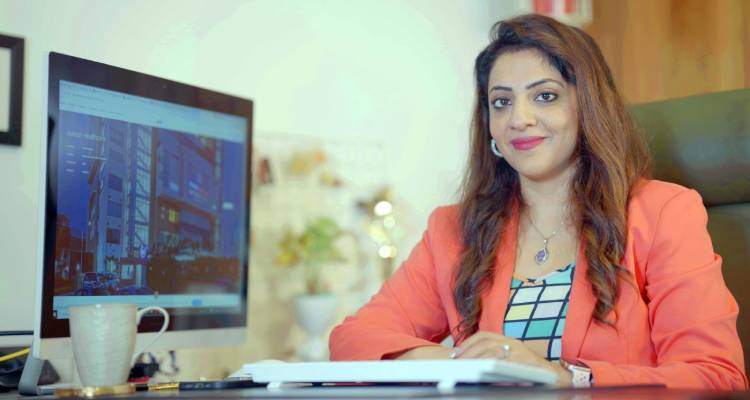

Artificial Intelligence (AI) is slowly changing the way diseases are detected in India. In radiology, which includes X-rays, CT scans, MRI and ultrasound, AI is helping doctors detect diseases earlier and more accurately. It is becoming a useful support system for hospitals and diagnostic centres across the country.
In India, the availability of skilled radiologists is relatively low despite having a huge population, which means that patients have to wait long hours before receiving the results. This is where AI comes into play, making the work of doctors easier by allowing quick analysis of medical images.
AI uses thousands of medical images to learn to recognise patterns associated with disease. The software will then quickly go through the images looking for any patterns associated with the diseases and marking them out for further evaluation by a doctor. This is not meant to replace radiologists; instead, it works as an aid in speeding up the process.
Early diagnosis is a very important advantage of using AI in radiology. Cancer, including lung and breast cancers, stroke, and tuberculosis, can pose significant risks to the patient’s health if discovered too late. AI systems will pick up on even the slightest changes that might be overlooked during the diagnosis. AI technology is being used today to diagnose lung nodules and breast cancer even in very initial stages.
AI has also proven beneficial in chest imaging in India. During the COVID-19 outbreak, various hospitals leveraged artificial intelligence to evaluate chest scans for respiratory infections in a timely manner. The same technology is being leveraged in detecting tuberculosis, which continues to be a significant medical challenge in India. Artificial intelligence can provide immediate preliminary results in remote locations that do not have specialists.
Brain stroke is another area where artificial intelligence has proved to be a lifesaver. In stroke patients, time is crucial and every second counts. AI systems can analyse scans swiftly and notify physicians of possible brain haemorrhages and blocked arteries within no time. This makes it easier for hospitals to administer treatment early and enhance the patient’s prospects of recovery.
Artificial intelligence imaging systems have been installed in large hospitals in cities such as Delhi, Mumbai, Bengaluru and Chennai. Gradually, smaller diagnostic centres in other cities are adopting this technology. Indian companies are creating innovative artificial intelligence products at affordable costs.
AI’s impact extends beyond diagnosis into everyday activities within radiology units. Previously, radiologists took much time typing up reports and handling patients’ records. Today, AI can generate reports and transmit reports digitally to patients in minutes. It frees up more time for radiologists to work on difficult cases.
Another key benefit is lower radiation doses for patients. AI technology enhances image quality even for low-dose CT scans, thus making the examination more comfortable for patients. It is particularly relevant for children, senior citizens, and patients who undergo frequent CT scans.
Nevertheless, there are several limitations of AI. Patient data must remain safe and private. In addition, AI systems should be trained using Indian patient data so that results remain accurate for people from different demographics.
The cost factor and availability of technology are also challenges faced by smaller hospitals. Many healthcare centres based in rural areas do not even have access to the internet and digital technologies yet. Educating medical personnel on new technology is equally important. Programmes like the Ayushman Bharat Digital Mission by the government can go a long way towards achieving this goal.
- Advertisement -
