

Robotic and advanced surgery: Shaping the future of surgical care in India
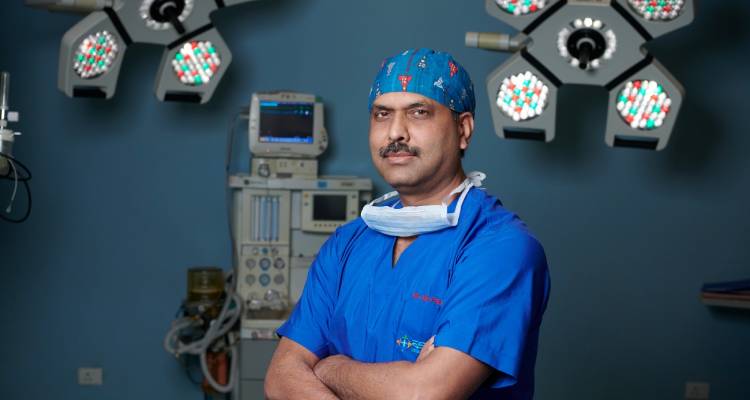
Dr Ved Prakash, Chairman – General Surgery, Minimal Invasive, Bariatric & Robotic Surgery, Asian Hospital, examines how robotic-assisted surgery, artificial intelligence and advanced minimally invasive techniques are transforming surgical care in India, while highlighting the need to balance technological innovation with clinical expertise and wider access


The surgical landscape of India is witnessing a massive change due to the technological advancements, better clinical expertise, and increasing focus on patient-centric outcomes. Next in this evolution will be robotic and other forms of advanced minimally invasive surgery, giving surgeons greater precision and patients less pain, shorter hospital stays and faster recovery.
While open surgery has also been commonly associated with bigger incisions, more blood loss, longer recovery and more post-operative pain. That all changed with minimally invasive surgery that allows surgeons to do complex procedures through smaller incisions.
Robotic-assisted surgery builds on the minimally invasive technique by providing improved imaging, precise instruments and enhanced surgical control. It doesn’t replace the surgeon but complements the surgeon’s ability to perform delicate surgeries with more precision and confidence.
3D visualisation and more flexible robotic instruments can improve access to complex anatomic areas. AI-enabled systems help surgeons with predictive analysis, real-time guidance, and advanced imaging, in addition to surgical planning, which improves efficiency in complex procedures.
A growing population, rising health concerns and proactive government policies are driving the rapid expansion of the Indian medical devices market. The government is promoting the use of cutting-edge medical technologies for surgical procedures, and India is the fourth largest and fastest-growing surgical robotics market in Asia Pacific.
Industry estimates reveal that India’s AI-based surgical robotics market, valued at around USD 176 million in 2023, is expected to reach around USD 901 million by 2030 at a CAGR of around 26 per cent. The AI-based surgical robotics market is expected to witness significant growth globally, touching almost USD 25 billion by 2030, providing a great opportunity for India to position itself as a major player in the global medtech ecosystem.
The ultimate aim of any surgical innovation should be to enhance patient care. Robotic-assisted surgery has potential benefits including less blood loss, smaller incisions, less post-operative pain and a quicker recovery. Robotics is most helpful in minimally invasive surgeries. For example, in rectal cancer surgery, robotics provides improved eyesight and more precise control, which can lessen trauma and expedite healing.
Robotics has been adopted not only by big corporate hospital chains, but it has also spread outside of metropolitan areas. Every year, hospitals in Tier I and Tier II cities record hundreds of robotic treatments in specialities including oncology, gynaecology, gastrointestinal surgery, and urology.
India has a vibrant health care innovation ecosystem and a deep bench of experienced clinicians. However, more widespread use of robotic surgery is going to require ongoing investment in surgeon training, research, and making it accessible to a larger segment of the population.
What we need are holistic programmes in the healthcare sector, where technology supports clinical knowledge and patient-centric care. Robotics, AI, advanced imaging and data-driven decision-making are going to shape the future of surgery.
It is very important to note that technology also needs to be guided by clinical judgement and the needs of patients. However, the experience of the surgeon, decision-making ability and understanding of individual patient conditions will remain central to successful outcomes.
Robotic and advanced minimally invasive surgery is a massive opportunity for the Indian healthcare sector. Combining innovation and clinical excellence will help the nation to improve its position in the global healthcare delivery arena and enhance access to world-class surgical care.
The next decade will see the further integration of cutting-edge surgical technologies into mainstream health care. The focus has to be clear – using innovation responsibly to make surgery safer, more precise and more patient-centred.
- Advertisement -
