

Is healthcare in India’s corporate hospitals designed for patients or processes?
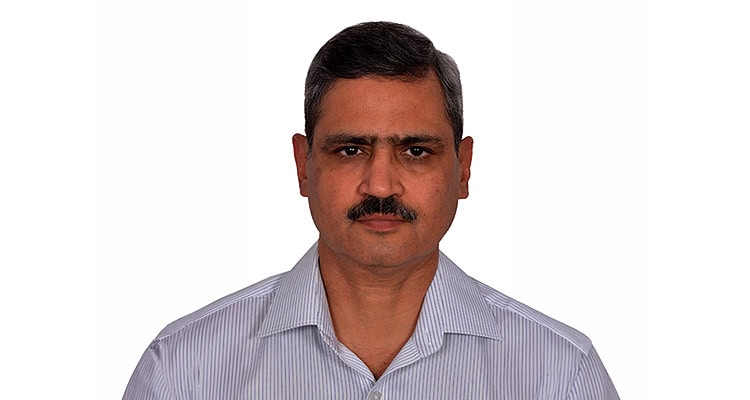
Air Marshal Rajesh Vaidya, AVSM, VSM (Retd), Regional Director- Hospital Operations, PB Health examines how India’s rapidly corporatising healthcare ecosystem balances efficiency, scale, and clinical excellence with empathy, transparency, and patient trust highlighting both the strengths and the structural tensions shaping care delivery across the country


Indian healthcare exists in two parallel universes. On one hand, it is a global hub for medical tourism, offering world-class clinical outcomes at a fraction of Western costs. On the other, it is a system defined by sheer volume—public hospitals where a single doctor may see 100 patients in a morning, and private corporate hospitals where billing cycles often feel more streamlined than the bedside manner.
The most reliable national data on where Indians actually seek healthcare comes from the NSS 75th Round (2017-18), the latest comprehensive household survey on health utilisation. It distinguishes public/government facilities, private hospitals (any facility with inpatient beds, including small nursing homes), and private doctors/clinics (outpatient-focused, no inpatient). For more current times (2024-25), it is estimated that the private sector overall handles almost 52 per cent of inpatient care in rural areas and approximately 61 per cent in urban areas.
No national survey categorises ‘corporate hospitals’ (large organised chains) separately, as they form only about 15 per cent of private hospitals overall but dominate revenue, beds, and complex/tertiary cases particularly in large metros. Private providers account for nearly 60-70 per cent of healthcare spending, with large chains with multiple hospitals leading the charge through scale, technology, and standardised operations. Hence the focus of this article on corporate hospitals
Process and patients
Corporate hospital chains have transformed Indian healthcare since the 1990s liberalisation. However, beneath the five-star facades lies a fundamental tension: Are these institutions built primarily for patient well-being, or for optimised processes that drive revenue, compliance, and operational scale? The evidence points to a system that excels at processes yet often treats patients as inputs in a high-volume, fee-for-service machine.
The process-driven machine
Corporate hospitals thrive on standardisation. NABH (National Accreditation Board for Hospitals) accreditation, now in its 6th edition, mandates detailed protocols for admission, assessment, discharge, infection control, and quality indicators. These rules ensure consistency: every knee replacement follows the same checklist, every ICU shift adheres to SOPs, and every bill is tracked through centralised systems.
This process focus delivers real benefits. Hospital chains invest in robotic surgery, AI diagnostics, and electronic health records that smaller nursing homes cannot afford. Occupancy rates hover at 60-70 per cent in the more efficient players, with average revenue per occupied bed (ARPOB) climbing steadily. Doctors operate under predefined care pathways that reduce variability and medical errors. Insurance empanelment and cashless claims further streamline billing on paper.
Yet these processes are calibrated for throughput and margins. Full-time consultants and visiting doctors receive monthly revenue targets. Missing them triggers memos; sustained shortfalls risk contract non-renewal. A 2020 study of doctors in corporate settings documented how clinical autonomy has given way to management-defined protocols optimised for billing codes rather than individualised care. Fee-for-service payments incentivise volume: more tests, longer stays, higher-end implants. Private equity investors and listed chains demand predictable returns, pushing hospitals toward high-margin specialties while de-emphasising preventive or primary care.
The result? A system where efficiency metrics—bed turnover, ALOS (average length of stay), and ARPOB—take precedence over softer outcomes like patient trust or long-term wellness. As one doctor interviewee in a corporatisation study noted, hospitals have become “faceless, impersonalised and less accountable.”
The patient experience: Wins, woes and warnings
Corporate hospitals score high on infrastructure and technology, with patients praising shorter waits for diagnostics and access to cutting-edge equipment. International accreditation (JCI) and hotel-like amenities reassure affluent and NRI patients.
Yet, patient feedback reveals cracks. Billing disputes are rampant. Surveys show only about 47 per cent of hospital bills are fully itemised; others arrive as opaque packages or handwritten sheets running into lakhs. Unnecessary tests, over-treatment, and inflated rates for insured patients are common complaints. A 2015 analysis of second opinions found nearly 44 per cent of recommended surgeries potentially avoidable—figures echoed in recent reports on C-sections, knee implants, and cardiac procedures driven by financial incentives.
Insurance-driven care exacerbates the issue. Hospitals sometimes charge cash patients lower rates while inflating bills for insured ones, prompting insurers to push back with deductions or higher premiums. Medical inflation hit 13 per cent in 2025, outpacing global averages and straining families. Patients report feeling like revenue generators rather than partners in healing.
Doctors feel the squeeze too. Revenue targets clash with ethics, leading to burnout and defensive medicine. Public discourse, including physician forums and media, increasingly highlights how corporatisation has shifted priorities from “patient-first” to “ROI-first.” The Lancet has warned that unchecked privatisation can worsen health outcomes by prioritising volume over value.
Can processes serve patients better?
The critique is not that processes are inherently bad. Standardisation saves lives through infection control and evidence-based protocols. The problem arises when processes are engineered solely for financial and regulatory efficiency without balancing patient outcomes, affordability, and empathy.
Promising shifts are emerging. New BIS standards for itemised billing (IS 19493:2025) aim to improve transparency. IRDAI and government moves to tighten claims oversight signal growing regulatory pushback against overcharging.
Conclusion: Time for a patient-first reset
Corporate hospitals in India are marvels of process engineering. They have expanded access to world-class care, created jobs, and attracted investment. Yet the design remains tilted toward processes that maximise utilisation, compliance, and returns—often at the expense of affordability, transparency, and human connection.
True patient-centricity would require deeper changes: value-based payments that reward outcomes over procedures; public reporting of clinical outcomes and costs; stronger doctor-patient shared decision-making; and incentives for preventive care. Integrated models where insurers and providers share risk could align incentives toward keeping patients healthy rather than treating them expensively.
References
- Ministry of Statistics and Programme Implementation (MOSPI). NSS 75th Round: Key Indicators of Social Consumption in India: Health (2019).
- National Health Accounts, Ministry of Health & Family Welfare, Government of India (2022).
- FICCI–EY. Indian Healthcare Industry Report (2023).
- IBEF. Healthcare Industry in India (2024).
- NABH. Accreditation Standards for Hospitals (6th Edition, 2023).
- CRISIL Research / ICRA. Hospital Industry Reports (various years).
- Baru, R. (2018). Private Health Care in India.
- Indian Journal of Medical Ethics (2019). Articles on corporatization of healthcare.
- LocalCircles Survey (2023). Patient feedback on hospital billing.
- Arora et al. (2015). Second opinion study on surgical necessity.
- National Family Health Survey (NFHS-5).
- Insurance Regulatory and Development Authority of India (IRDAI). Annual Reports.
- Willis Towers Watson (2024). Global Medical Trends Survey.
- The Lancet Commission on Global Health and Economic Development.
- Porter, M. Value-Based Healthcare Delivery Model.
- NITI Aayog. Health sector policy papers.
- World Health Organization (WHO). Health system strengthening frameworks.
- Advertisement -
