

Why rapid detection is the key to winning the fight against AMR
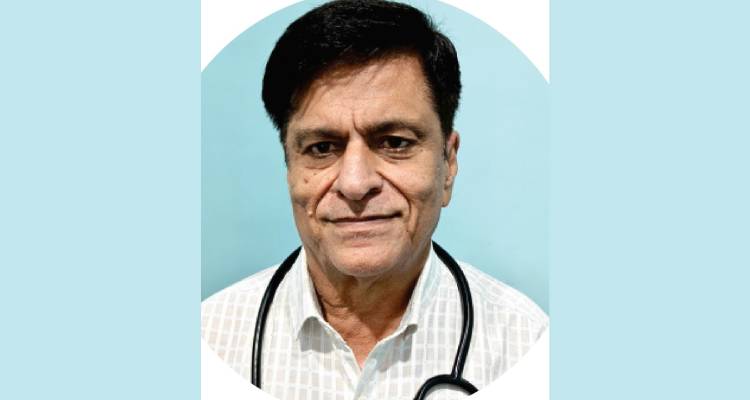
Dr Narendra Kumar Jolly, Senior Consultant, Jolly Healthcare, discusses how rapid diagnostics, timely antimicrobial therapy and effective stewardship can strengthen India’s response to the growing AMR threat


Bacterial resistance to antimicrobials (antibiotics) represents one of the largest challenges to the international healthcare scene, undermining decades of progress that scientists have made in the medical field. The emergence of antibiotic resistance leads to an increase in the difficulties associated with curing diseases caused by bacteria, which used to be relatively easy to treat. Statistics reported by the WHO suggest that Antimicrobial Resistance AMR results in approximately 1.27 million fatalities each year. If nothing is done to correct the situation, it is predicted that by 2050 AMR will result in close to 10 million deaths each year.
It should be pointed out that one of the countries that suffer from AMR the most is India. High level of infections, high consumption of antibiotics, self-medication, and late diagnostics have led to fast emergence of the multidrug resistant microorganisms. There are many cases when patients in India were infected with carbapenem-resistant Klebsiella pneumoniae, Acinetobacter baumannii, MRSA, and resistant E. coli.
Delayed diagnosis: The hidden driver of superbug spread
One of the major difficulties in fighting AMR is the delay in finding the pathogen and its resistance pattern. Traditional culture methods take around 48 to 72 hours, which can take even longer in the case of complicated infections until there is a clear antibiotic resistance profile. While waiting for the results, doctors often begin treatment with broad-spectrum antibiotics to avoid possible complications of the disease. Even though it may be required by the situation, unnecessary empirical treatment can lead to excessive administration of unnecessary antibiotics, disruption of a normal microflora in the patient’s body, increased costs for the treatment, and the formation of resistant bacteria. Rapid diagnostics is changing this situation dramatically! Today, molecular methods of diagnostics, multiplex polymerase chain reaction (PCR), syndromic testings, matrix-assisted laser desorption/ionization mass spectrometry, and automatic blood culture identification systems allow healthcare specialists to get results in a few hours instead of a few days.
Rapid diagnostics improve clinical outcomes
The timely and accurate detection of pathogens allows medical experts to initiate accurate and precise antimicrobial therapy as early as possible. As per The Lancet Global Research on Antimicrobial Resistance, resistant bacteria are responsible for a great percentage of deaths that could be avoided. There is any evidence that the delay of appropriate antibiotics can have harmful effects on the outcomes of patients suffering from severe sepsis and bacteremia.
The role of antimicrobial stewardship
However, technological interventions alone will not be enough to curb the menace of AMR. The implementation of stewardship programs becomes critical for dealing with this menace. In these programs, infectious diseases specialists, microbiologists, intensivists, pharmacists, and infection control specialists come together to ensure that all the antibiotics prescribed are necessary and evidence based.
The programs emphasise the selection of the right medication, right dosage, right duration, and de-escalation based on the microbial evidence. Institutions that have implemented comprehensive stewardship programs have shown reduced consumption of antibiotics.
Building India’s future defence against superbugs
India will have to employ a multifaceted approach to the threat of antimicrobial resistance. Building robust microbiology laboratories, increasing the availability of state-of-the-art diagnostic testing facilities not confined to urban settings, promoting rational use of antibiotics, improving infection control methods, increasing vaccination rates, and raising awareness levels among the population are some of the critical aspects of the same.
Here at Jolly Healthcare, we know that the battle against antimicrobial resistance lies in making the right diagnosis and administering appropriate treatment. Each and every infection detected early offers a chance to maintain the efficacy of antibiotics, save lives, decrease healthcare expenses, and prevent further development of drug-resistant microorganisms.
With the rise of superbugs, our strongest tool is not just finding new types of antibiotics anymore – it is using the ones we have wisely, on the basis of quick testing, strong clinical evidence, and judicious antimicrobial stewardship.
- Advertisement -
